 Jake Torres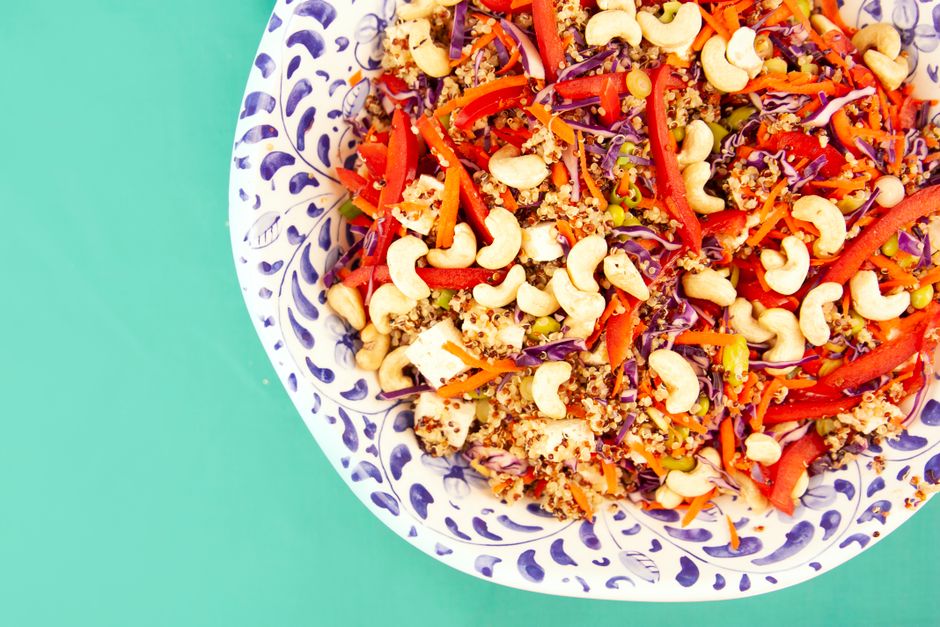
Quinoa gets a weirdly reverent treatment in food culture, and for years I assumed it was basically an honorary vegetable. High protein, gluten-free, ancient grain, beloved by every nutrition-adjacent Instagram account since roughly 2014. So when clients started asking me whether quinoa could fit into their keto diets, I actually had to stop and look at the numbers properly instead of going off vibe. What I found was pretty clear, and a little disappointing if you were hoping for good news.
The short version: quinoa is not keto-friendly for the vast majority of people doing a standard ketogenic diet. But there’s more texture to that answer than a flat no, and the details matter depending on where you’re sitting on the low-carb spectrum.
- One cup of cooked quinoa has roughly 39g of net carbs, which exceeds most people's daily keto limit alone.
- Quinoa's ~8g of protein per cup is real but not enough to justify the carb cost on strict keto.
- If you're doing a liberal low-carb diet (50-100g net carbs/day), small portions of quinoa may fit.
- Better keto grain alternatives: cauliflower rice, shirataki, or hemp seeds for similar texture/nutrition hits.
- The glycemic index of quinoa is around 53, moderate, but the glycemic load per serving is still substantial.
The Actual Numbers
Let me put this in a table because I think it’s the clearest way to show why quinoa is a problem for keto.
| Food | Serving Size | Total Carbs | Fiber | Net Carbs | Protein | Fat |
|---|---|---|---|---|---|---|
| Cooked quinoa | 1 cup (185g) | 39.4g | 5.2g | ~34g | 8.1g | 3.6g |
| Cooked white rice | 1 cup (186g) | 44.5g | 0.6g | ~44g | 4.3g | 0.4g |
| Cooked cauliflower rice | 1 cup (~107g) | 5.3g | 2.5g | ~2.8g | 2.1g | 0.3g |
| Cooked shirataki rice | 1 cup (~112g) | 3g | 2g | ~1g | 0g | 0g |
| Hemp seeds | 3 tbsp (30g) | 2.6g | 1.2g | ~1.4g | 9.5g | 14.6g |
(USDA FoodData Central, current as of July 2026)
So yes, quinoa is better than white rice on a net carb basis. That doesn’t make it keto. Standard ketogenic diets aim for 20-25g of net carbs per day, sometimes stretching to 30g for people who are more metabolically flexible. A single cup of cooked quinoa blows that budget before you’ve added anything else to your plate.
What surprised me when I actually dug into this was how much quinoa’s reputation as a “protein grain” misleads people. Eight grams of protein per cup sounds decent until you compare it to hemp seeds, which pack 9.5g of protein into 30 grams of food and deliver almost no net carbs. If you’re reaching for quinoa partly for the protein, you can do better without the carb hit.
Why the Glycemic Index Argument Doesn’t Really Save It
You’ll sometimes see quinoa defended with its glycemic index of around 53, which is “low to moderate” by GI standards. And that’s technically true. But here’s where I think people get tripped up: GI measures how fast blood sugar rises, not how much it rises. Glycemic load accounts for both speed and volume, and quinoa’s glycemic load per standard serving comes in around 13-18 depending on the source. That’s not alarming for someone eating a balanced 2,000-calorie diet, but for someone trying to maintain ketosis, even a moderate glucose spike can push them out.
I made this mistake myself early in my career. I was working with a client, a marathon runner named David who was experimenting with fat-adaptation, and I suggested quinoa as a “safe” carb source post-long-run because of its favorable GI. He was tracking ketones and couldn’t figure out why he kept stalling. Turned out that even his 3/4-cup portions were enough to interrupt his metabolic state. We swapped to smaller sweet potato portions timed immediately post-run, which gave him less total volume with more intentional glucose delivery. His ketone readings stabilized within a week.
Can You Make It Work at All?
Lasagna without Noodles?! Meal Prep Dinner Idea, Low Carb, Keto Friendly · Low Carb Love on YouTube
Honestly? Maybe, in very specific circumstances.
If you’re on a targeted ketogenic diet (TKD) and you’re a serious athlete who strategically consumes carbs around hard training sessions, a small portion (maybe 1/3 cup cooked, around 11-12g net carbs) could theoretically fit. The glucose would get shuttled to muscle glycogen before it disrupts ketosis meaningfully, especially if you’re training intensely enough to have depleted glycogen stores first.
The research here is mixed, and I won’t pretend there’s clean data on exactly how different individuals respond to quinoa in a peri-workout context on a TKD. It’s one of those areas where n=1 experimentation with a blood ketone meter (something like the Keto-Mojo GK+ at around $60-70, available on Amazon) gives you more actionable information than anything I can tell you from a population standpoint.
For cyclical ketogenic dieters who deliberately eat higher carbs one or two days a week, quinoa is a reasonable choice on those refeed days. It’s nutritionally denser than white pasta or bread, and the fiber blunts some of the blood sugar response.
But for standard keto? No. There’s no realistic portion that’s both satisfying and keto-compatible.
What to Eat Instead
Here’s the thing about quinoa: people usually want it because they’re looking for something that feels like a grain, holds together in a bowl, absorbs sauces, and offers some protein alongside. That’s a specific textural and functional ask. The good news is there are decent answers.
Cauliflower rice is the obvious one, and I know it gets eye-rolls, but riced cauliflower done right (roasted in a dry pan until slightly golden, not microwaved into mush) genuinely works as a base. You can grab a 10-ounce bag of Birds Eye frozen riced cauliflower for about $2.49 at most grocery stores right now.
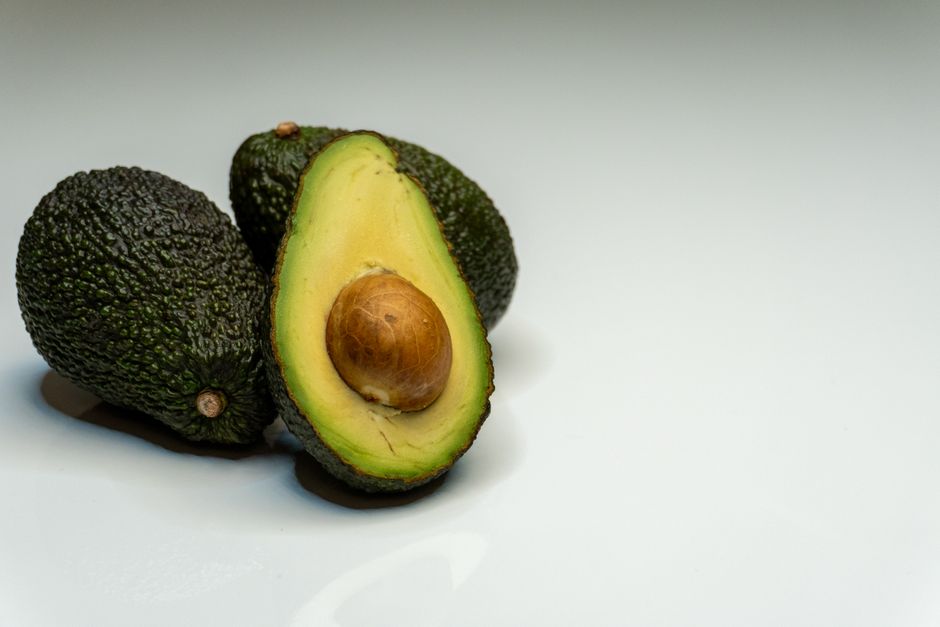
Hemp seeds are underrated. Sprinkle 3 tablespoons into a bowl with some avocado, a fried egg, and greens and you’ve got a breakfast bowl that nutritionally outperforms most quinoa preparations. They have a very mild, nutty flavor, slightly softer than sesame, and they don’t need cooking.
Shirataki rice (konjac-based) has about 1g net carb per cup. The texture is different, more slippery, and there’s a rinse-and-dry step that takes about 5 minutes in a hot pan to get right. Once you do, it works surprisingly well in fried rice-style preparations. Miracle Noodle sells a rice version for around $3-4 per bag on Amazon.
For people who want to stay grain-adjacent, there’s always flaxseed meal, which can be cooked into a hot porridge texture with coconut milk and adds meaningful fiber and omega-3s in the process.
Scenario: Client trying to maintain a Mediterranean-influenced eating pattern on keto, used to building meals around quinoa bowls → swapped to a base of 1 cup riced cauliflower plus 2 tbsp hemp seeds, topped with roasted salmon, olives, and cucumber → hit similar protein and satiation targets, dropped from ~42g net carbs per lunch to under 8g net carbs per lunch.
Sources
- USDA FoodData Central: Nutritional composition data for quinoa, cauliflower, shirataki, and hemp seeds (usda.gov)
- Atkinson FS, Foster-Powell K, Brand-Miller JC: “International Tables of Glycemic Index and Glycemic Load Values” (Diabetes Care, 2008), foundational GI/GL reference
- Volek JS, Phinney SD: “The Art and Science of Low Carbohydrate Performance” (2012), targeted and cyclical ketogenic diet protocols
- Harvard T.H. Chan School of Public Health, The Nutrition Source: Overview of glycemic index and glycemic load concepts (hsph.harvard.edu)
Photo: Karen Laårk Boshoff via Pexels
This article is for general informational purposes only and does not constitute medical or dietary advice. Always consult a licensed healthcare provider or registered dietitian before making significant changes to your diet, especially if you have a medical condition.