 Dr. Sarah Mitchell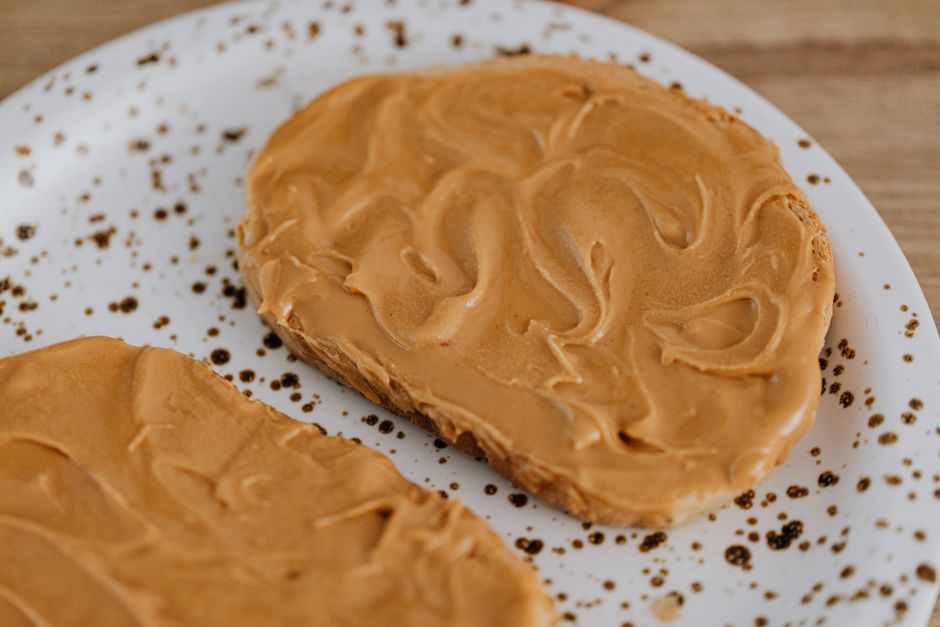
Six grams of net carbs per two-tablespoon serving. That’s the number that either saves peanut butter’s place in your keto kitchen or gets it kicked to the curb, depending on who you ask.
I’ve had clients come to me genuinely devastated that they might have to give it up. I’ve also had clients eating four tablespoons a day, stalling for weeks, and wondering why they couldn’t get back into ketosis. Both situations are real. The answer, as with most things in this space, is “it depends” but in a way that’s actually useful once you understand the mechanics.
Let me tell you exactly what I know, what the research actually shows, and where peanut butter fits in a real low-carb eating pattern.
The Numbers, Honestly
Two tablespoons of plain peanut butter (the natural, no-added-sugar kind, think Justin’s Classic or Smucker’s Natural) clocks in at roughly 190 calories, 16 grams of fat, 7-8 grams of total carbohydrate, about 2 grams of fiber, and 7-8 grams of protein. Subtract the fiber and you’re at approximately 6 grams of net carbs. According to USDA FoodData Central, that’s a consistent figure across most major natural peanut butter brands.
For strict keto, where most people are targeting 20-25 grams of net carbs daily, a single two-tablespoon serving uses up roughly 25-30% of your daily carb budget. That’s not disqualifying. But it’s substantial. And here’s where people get into trouble: no one eats exactly two tablespoons. I’ve watched people spoon it directly from the jar during meal prep. That’s easily four or five tablespoons without thinking about it.
The comparison table below gives you a realistic side-by-side of peanut butter against the nut and seed butters that clients ask me about most often:
| Butter (2 tbsp) | Net Carbs (g) | Fat (g) | Protein (g) | Approx. Price/jar |
|---|---|---|---|---|
| Peanut butter (natural) | 6 | 16 | 7 | $6-9 |
| Almond butter (natural) | 3 | 18 | 7 | $11-16 |
| Sunflower seed butter | 5 | 14 | 7 | $8-12 |
| Macadamia nut butter | 2 | 22 | 2 | $18-24 |
| Pecan butter | 1 | 20 | 3 | $16-22 |
| Cashew butter | 8 | 14 | 6 | $10-14 |
| Tahini (sesame) | 3 | 16 | 5 | $7-10 |
A few things jump out here. Cashew butter, which many people assume is “healthier,” actually has more net carbs than peanut butter. Macadamia nut butter is the clear keto winner on carbs, but at $18-24 a jar, it’s a financial commitment most of my clients don’t sustain. Almond butter at roughly half the carbs of peanut butter is probably the most practical swap for someone who genuinely loves nut butter and is trying to tighten up their carb intake.
What the Research Actually Says About Peanuts and Blood Sugar
Here’s what most people don’t realize: peanuts have a glycemic index of around 14, which is genuinely low. A 2022 study published in Nutrients found that consuming peanuts with a higher-GI food significantly blunted postprandial blood glucose response in healthy adults. For keto purposes, this matters because blood glucose and insulin response are more relevant than raw carb count for a lot of people.
Peanuts also contain a meaningful amount of oleic acid, the same monounsaturated fat in olive oil that tends to show up favorably in cardiovascular research. A 2020 analysis in the Journal of Nutrition found that regular peanut consumption was associated with modest improvements in LDL particle size, which is a more nuanced marker than total LDL. I’m not saying peanut butter is a health food in some magical sense, but the “peanuts are bad fat” take from early low-carb communities was always oversimplified.
What the research doesn’t resolve cleanly: how individual people respond to peanuts metabolically. I have clients who eat a tablespoon of natural peanut butter daily, test their ketones an hour later, and show zero disruption. I have other clients, particularly those who are more insulin-resistant or who are in the early stages of keto adaptation, who seem to stall with it. If you’re not using a meter, you’re guessing. A blood ketone meter (the Keto-Mojo is the one I recommend, currently around $49.99 for the unit) will tell you more about your individual response than any general guideline I can give you.
The “Natural” vs. “Regular” Problem
This is where people lose money and carbs simultaneously.
Jif, Skippy, Peter Pan: every one of their standard products contains added sugar. Jif Creamy, per USDA data, has 3 grams of sugar per two tablespoons. That pushes net carbs up to 7-8 grams and introduces sugar that’s genuinely unnecessary on keto. Skippy Natural has less added sugar but still has 1 gram per serving. The rule I tell every client: if the label says anything other than “peanuts” and maybe “salt,” put it back.
I made this mistake myself in my first year counseling patients eating low-carb. I’d been telling people “peanut butter is fine” without specifying which kind. A reader (call her Monica from Austin) emailed me frustrated that she’d been eating Reduced Fat Jif thinking she was being careful, and it had 15 grams of net carbs per serving because removing fat from peanut butter means adding back starch and sugar to maintain texture. “Reduced fat” on peanut butter is one of the most backwards things in a grocery store.
Current as of July 2026, the brands I consistently recommend to clients are Justin’s Classic Peanut Butter (6g net carbs, no added sugar, about $8.99 for 16 oz), Smucker’s Natural ($5.99 for 16 oz, stirs easily, no frills), and Crazy Richard’s ($7.49 for 16 oz, literally one ingredient: peanuts).
How to Make It Fit (Or Decide It Shouldn’t)
Three real-world scenarios from my practice:
Scenario 1: A client targeting 20g net carbs daily wants to include peanut butter. Action taken: 1.5 tbsp natural peanut butter (about 4.5g net carbs) added to a protein shake with unsweetened almond milk, planned as a post-workout snack. Rest of the day: eggs, leafy greens, fatty fish, no other high-carb foods. Result: She maintained ketosis consistently (blood ketones measured at 1.2-1.8 mmol/L) and didn’t feel deprived. She told me later that having it on the plan is what kept her from going off-plan entirely.
Scenario 2: A client who was stalling at 25 lbs lost on keto, couldn’t figure out why. Action taken: Tracked portions carefully for two weeks. Discovered he was eating 4-5 tablespoons of peanut butter daily, approximately 14-16g net carbs from that alone, often before bed. Result: Swapped to 1 tablespoon of macadamia nut butter (1g net carbs) as an occasional treat, dropped the habit of eating it nightly. Lost an additional 8 lbs over the following six weeks. The peanut butter wasn’t the only factor, but it was where the carbs were hiding.
Scenario 3: A client with IBS who couldn’t tolerate most keto snacks. Action taken: Natural peanut butter was one of the few high-fat foods she could eat without GI distress. Used it at 2 tablespoons daily with celery sticks, kept all other carbs to under 15g. Result: Maintained ketosis and felt good. Not every keto approach looks the same, and for her, peanut butter was a tool worth the carb cost.
The Aflatoxin Concern (Real, But Put in Perspective)
You’ll occasionally see keto forums warning about aflatoxins in peanuts. Aflatoxins are naturally occurring mold toxins, and peanuts do have higher contamination rates than tree nuts because they grow underground. The FDA monitors this. According to FDA action levels, commercially sold peanut butter in the U.S. must test below 20 parts per billion for total aflatoxins. Large brands like Jif and Smucker’s test regularly, and no major U.S. peanut butter recall for aflatoxin contamination has occurred in recent memory.
Is the risk zero? No. Is it a meaningful health concern for someone eating two tablespoons of peanut butter a few times a week? I don’t think so, and I don’t lose sleep over it. If you’re eating a pound a day and sourcing from unregulated suppliers, that’s a different conversation.
Sources
- USDA FoodData Central: Nutritional data for peanut butter and alternative nut/seed butters, accessed July 2026 (fdc.nal.usda.gov)
- Arya et al. (2022), Nutrients: Peanut consumption and postprandial glycemic response in healthy adults
- Kris-Etherton et al. (2020), Journal of Nutrition: Peanut consumption and LDL particle size outcomes
- U.S. Food & Drug Administration: Aflatoxin action levels and monitoring guidance for peanut products (fda.gov)
- Volek & Phinney, The Art and Science of Low Carbohydrate Living (2011): Framework for individualized carbohydrate tolerance on ketogenic diets
Photo: www.kaboompics.com via Pexels
This article is for general informational purposes only and does not constitute medical or dietary advice. Always consult a licensed healthcare provider or registered dietitian before making significant changes to your diet, especially if you have a medical condition.