 Jake Torres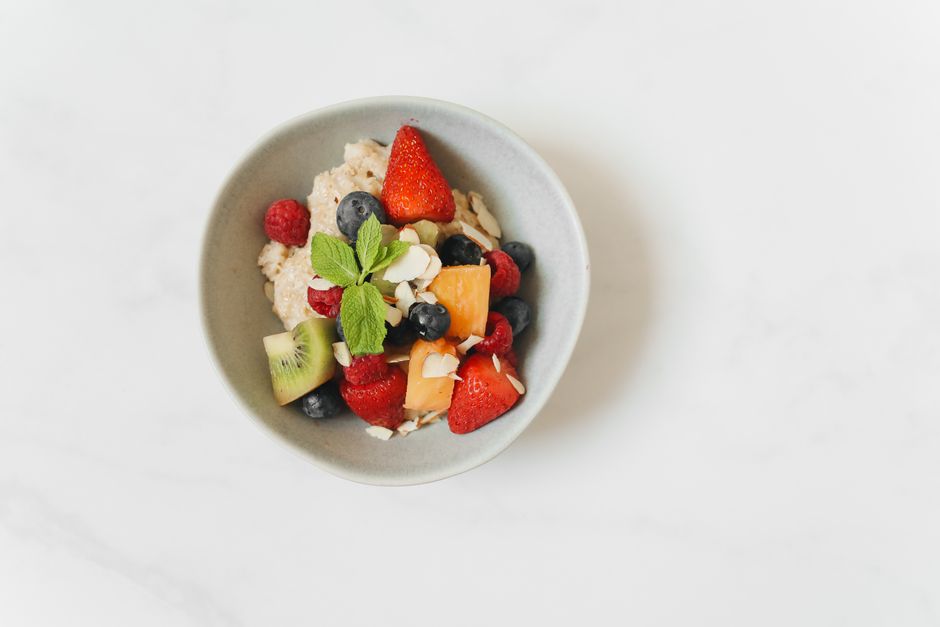
Most people already know oatmeal is off the menu on keto. But if you’re sitting here reading this, you’re probably hoping I’ll tell you there’s a workaround, or maybe you’re newly low-carb and just want to understand why the breakfast food you’ve eaten your whole life has suddenly become off-limits. Fair enough. Let me actually walk you through this.
The Numbers Don’t Lie
A half-cup of dry rolled oats (that’s a single serving by most package standards) contains roughly 27 grams of net carbs. On a standard ketogenic diet, most people are targeting somewhere between 20 and 50 grams of net carbs per day total. So one bowl of plain oatmeal at breakfast could use up your entire carb budget before you’ve even had coffee.
That’s not a close call. That’s a no.
Traditional oatmeal is not keto-friendly. I know some corners of the internet will hedge this into oblivion, but I’m not going to do that to you. The carb load is too high, the fiber offset isn’t enough to change the math meaningfully, and eating it will knock most people out of ketosis within a few hours. I’ve seen clients try to “just have a small amount” and wonder why their ketone readings tanked. Oats are almost entirely starch. That’s just what they are.
Here’s a breakdown so you can see exactly what you’re working with across different oat types, because people ask me about steel-cut oats all the time thinking they’re somehow different:
| Oat Type | Serving (dry) | Total Carbs | Fiber | Net Carbs |
|---|---|---|---|---|
| Rolled oats | 1/2 cup (40g) | 32g | 5g | 27g |
| Steel-cut oats | 1/4 cup (40g) | 30g | 4g | 26g |
| Quick oats | 1/2 cup (40g) | 34g | 6g | 28g |
| Instant oats (plain) | 1 packet (~28g) | 32g | 3g | 29g |
| Oat bran | 1/4 cup (23g) | 25g | 7g | 18g |
Steel-cut oats have a lower glycemic index than rolled oats. That’s real. But lower glycemic doesn’t mean low-carb, and on keto, it’s the carb load that determines whether you stay in ketosis, not the glycemic response.
Why Oatmeal Trips People Up
You might be wondering why oatmeal gets so much positive press if it’s this carb-heavy. Honestly, a lot of it is deserved, just not for people eating keto. Oats are genuinely nutritious: beta-glucan fiber that supports cholesterol levels, decent protein for a grain, solid amounts of magnesium and iron. A 2021 meta-analysis in the British Journal of Nutrition confirmed the cholesterol-lowering effects of regular oat consumption. None of that is wrong.
The issue is that “healthy” and “keto-compatible” are two different questions, and the keto space sometimes acts like the only good foods are keto foods. That’s a distortion. Oatmeal is healthy food for people who aren’t restricting carbohydrates. For people who are, it’s a problem food purely because of carb density.
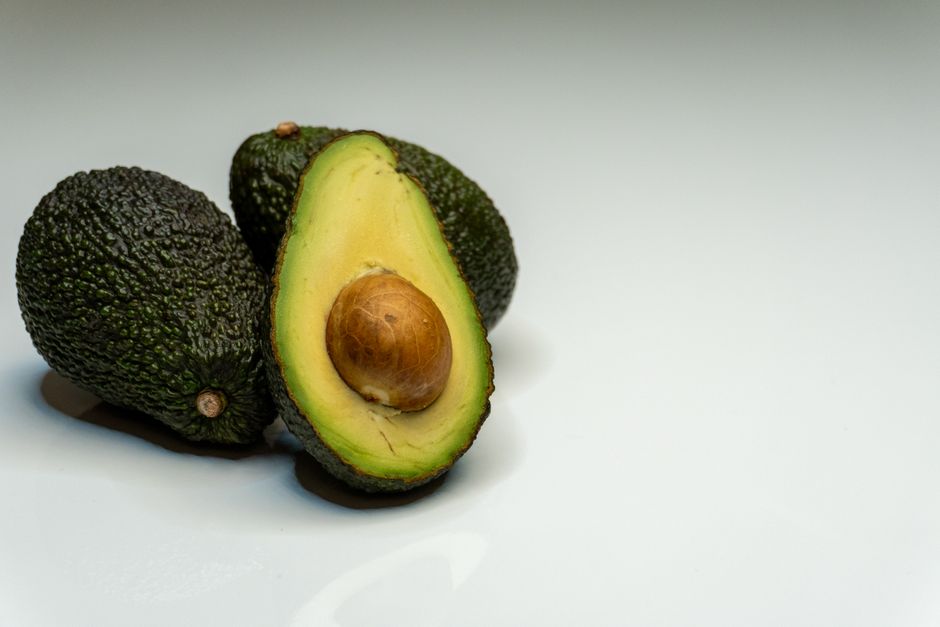
I made this mistake myself early in my practice. I had a client, a retired school principal named Carolyn, who was eating a small bowl of steel-cut oats every morning because she’d read they were “low-glycemic.” She’d stall completely for three weeks, feel fine, wonder why her ketones were always reading near zero. When we pulled the oats out and replaced them with eggs and avocado, she broke the stall within five days. That was the moment I started being much more explicit with clients about the glycemic index vs. net carbs distinction.
The “Noatmeal” Options That Actually Work
Lasagna without Noodles?! Meal Prep Dinner Idea, Low Carb, Keto Friendly · Low Carb Love on YouTube
Here’s what I tell people who genuinely miss the warm, creamy, spoonable texture of oatmeal in the morning: there are good substitutes. Not perfect, but good.
Hemp seed porridge is probably the closest thing I’ve found to the real texture. Hemp hearts have a slightly nutty flavor, and when you cook them in unsweetened almond milk with a little cinnamon and a few drops of liquid stevia, the result is genuinely comforting. About 1g of net carbs per 3-tablespoon serving. The catch: hemp hearts need only about 90 seconds on the stovetop at low heat, and most people overcook them their first time and end up with something gummy. Low and slow, then pull them immediately.
Chia seed pudding doesn’t replicate the hot oatmeal experience since it’s usually served cold, but a lot of former oatmeal people find it hits the same “filling breakfast with toppings” niche. Made overnight with unsweetened coconut milk and a tablespoon of erythritol, it runs about 2 to 3 grams net carbs per serving.
Flaxseed meal porridge is underrated. One-quarter cup of ground flaxseed cooked into a thick porridge with some butter, cinnamon, and a splash of heavy cream has a genuinely oatmeal-like consistency and comes in under 1 gram of net carbs because flax is nearly all fiber. Bob’s Red Mill makes a good golden flaxseed meal that works well here. It’s also about $6 to $7 for a 32-ounce bag at most grocery stores, which makes it a cheaper option than a lot of keto specialty products.
A few worked examples from people I’ve actually worked with:
Reader Tomas (Portland, OR, early 2026): had eaten oatmeal every morning for 20 years, felt like giving it up was going to be the thing that made keto unsustainable for him. We swapped to hemp heart porridge with walnuts and a tablespoon of MCT oil. Three weeks later, he told me he’d stopped missing the oatmeal. His fasting glucose also dropped from 108 to 94 over that period.
Client scenario, woman in her 40s trying to manage insulin resistance: replaced her daily instant oats with a chia pudding made with 2 tablespoons of chia, 3/4 cup unsweetened almond milk, and mixed berries kept at 1/4 cup. Net carbs per meal dropped from 29g to roughly 5g. Ketone levels went from undetectable (0.1 mmol/L) to therapeutic range (1.4 mmol/L) within 10 days.
What About Keto “Oatmeal” Products?
This question comes up constantly, especially since the keto packaged food market has exploded over the past few years. As of July 2026, there are probably a dozen “keto oatmeal” products on shelves and Amazon. Most of them are made from some combination of flaxseed, hemp, sunflower seeds, and psyllium husk, and they do a decent job mimicking the format.
My honest take: some of them are fine, some are wildly overpriced for what you’re getting. Lakanto makes one that’s pretty good, and so does Birch Benders. The thing to watch is net carb math. Some brands subtract sugar alcohols aggressively, and if you’re someone who’s sensitive to erythritol or maltitol, you can experience blood sugar impact even from labeled “0g net carb” products. I’d suggest checking the actual fiber-to-total-carb ratio rather than just trusting the net carb claim on the front.
Also: you’re probably paying $8 to $12 for six servings of something you could make yourself from a bag of flaxseed for the same price. That’s your call to make, but I’d rather you know the option exists.
If you want to try commercial versions, Lakanto Keto Hot Cereal and Birch Benders Keto Granola are reasonable starting points (the site may earn a commission on purchases through those links).
A Note on “Resistant Starch” and Overnight Oats
I see this one make the rounds every few months, so let me address it. The claim is that cooling cooked oats overnight converts some of the starch to resistant starch, which your body doesn’t digest, lowering the net carb impact. The resistant starch conversion is real. The degree to which it matters for keto is… honestly not enough to act on.
A 2020 paper in Food Chemistry estimated that cooling cooked oats overnight increases resistant starch content by roughly 0.7 to 2.5 grams per serving. That might take a 27g net carb serving down to somewhere around 25g net carbs. You’re still 25 grams in before 8 AM. For most people on a strict ketogenic diet, this doesn’t change the calculus at all.
I don’t have solid data on whether people with significantly higher carb tolerances (some people maintain ketosis up to 70 to 80g net carbs daily) could incorporate small amounts of overnight oats without disrupting ketosis. In principle, it’s possible. But if you’re eating a therapeutic ketogenic diet for epilepsy, metabolic disease, or weight-loss purposes, this is almost certainly not worth the experiment.
Sources
- USDA FoodData Central (2026): nutritional composition database for all oat types cited in this article. [fdc.nal.usda.gov]
- Tiwari, U. & Cummins, E. (2011): “Meta-analysis of the effect of beta-glucan intake on blood cholesterol and glucose levels.” Nutrition, 27(10), 1008-1016. Foundation study on oat fiber benefits.
- Alyousif, Z. et al. (2020): “Effect of food processing on resistant starch content in oats.” Food Chemistry, 310, 125797.
- Volek, J.S. & Phinney, S.D. (2011): The Art and Science of Low Carbohydrate Living. Core reference on ketogenic carb thresholds and metabolic adaptation.
- Accurso, A. et al. (2008): “Dietary carbohydrate restriction in type 2 diabetes.” Nutrition & Metabolism, 5:9. Establishes 20-50g net carb range cited in this article.
Photo: Polina Tankilevitch via Pexels
This article is for general informational purposes only and does not constitute medical or dietary advice. Always consult a licensed healthcare provider or registered dietitian before making significant changes to your diet, especially if you have a medical condition.