 Diana Walsh
Most people who ask me this have already been doing keto for three to six months. They’ve lost weight, they feel sharper, maybe their doctor mentioned their fasting glucose looked better. And now they’re quietly worried they’re doing something they’ll regret in ten years.
That’s a reasonable concern. Not paranoia.
Here’s the honest answer: we don’t have decades of rigorous long-term data on ketogenic diets the way we do for, say, the Mediterranean diet. A 2022 review in Nutrients pulled together the best available long-term keto studies and found most of them topped out at two years. That’s not nothing, but it’s not a 30-year cohort study either. Anyone who tells you keto is definitively safe (or definitively dangerous) for the long haul is overreading the evidence.
What I can tell you is what the research does show, what I’ve seen working with clients over the past 12 years, and where I think the real risks actually live, because they’re not always where people expect.
Since supervised programs show better outcomes than unsupervised keto, here's a practical lab monitoring schedule based on clinical protocols from published long-term studies.
| Test | Baseline | 3 Months | 6 Months | Annually | Why It Matters on Keto |
|---|---|---|---|---|---|
| Lipid panel (LDL, HDL, triglycerides) | ✓ | ✓ | ✓ | ✓ | ~25% of people see LDL rise significantly; triglycerides typically improve |
| Fasting glucose + HbA1c | ✓ | ✓ | ✓ | Tracks insulin sensitivity improvements or rebounds | |
| Basic metabolic panel (kidney function) | ✓ | ✓ | ✓ | Higher protein intake warrants monitoring in at-risk individuals | |
| Uric acid | ✓ | ✓ | ✓ | Can spike early (gout/kidney stone risk); usually normalizes by 6 months | |
| Electrolytes (sodium, potassium, magnesium) | ✓ | ✓ | As needed | Keto increases excretion; deficiencies cause fatigue, cramps, arrhythmia risk | |
| Thyroid panel (TSH, free T3) | ✓ | ✓ | Some evidence T3 decreases on very low carb; clinical significance debated |
General information for comparison, confirm specifics for your situation.
What the Research Actually Shows
The data we do have is mostly encouraging. Two-year clinical trials, including some funded by the NIH, show that well-formulated ketogenic diets don’t wreck lipids for most people, improve insulin sensitivity, and don’t appear to damage kidney function in people without pre-existing kidney disease. A 2020 study in Frontiers in Endocrinology followed 349 patients through a medically supervised ketogenic program for two years and found sustained improvements in weight, HbA1c, and triglycerides, with no significant adverse events.
For people with type 2 diabetes, the evidence actually holds up pretty well. Virta Health published follow-up data out to five years showing that many participants maintained substantial weight loss and reduced their medication burden significantly.
But here’s what gets glossed over: nearly all the positive long-term data comes from supervised programs. People with regular check-ins, lab monitoring, and dietary guidance. Not people doing keto based on a Reddit thread and some YouTube videos.
That gap matters.
The Real Risks Worth Taking Seriously
Kidney stones. This shows up in the research often enough that I flag it with every client who’s had one before. High-fat diets increase urinary calcium and uric acid, which raises stone risk for susceptible people. It’s not inevitable, but it’s real. If you’ve had a kidney stone before, talk to your doctor before going long-term keto. End of story.
Bone density gets murkier. Some studies suggest ketogenic diets may affect bone mineral density over time, possibly through calcium absorption or through the acidity load of high protein. The research is genuinely mixed. I wouldn’t say it’s proven, but it’s worth monitoring, especially for women over 40.
Cholesterol response is where things get personal. Most people on keto see triglycerides drop and HDL rise, which looks good. But maybe 5-10% of people, based on what I’ve seen clinically, are what researchers call “lean mass hyper-responders”: their LDL skyrockets into the 300s sometimes. Dave Feldman and Nick Norwitz have been researching this phenotype specifically. If you’re in that group, “keto is fine for cholesterol” doesn’t apply to you, and you need close monitoring.
Electrolytes are underrated. Chronic low-grade depletion of sodium, potassium, and magnesium is probably the most common reason people feel terrible after the initial keto honeymoon wears off. And feeling terrible leads to quitting. I’ve watched people solve years of fatigue, muscle cramps, and brain fog just by actually tracking electrolytes consistently. Something like LMNT or Redmond Re-Lyte runs about $30-45 a month and is genuinely worth it. (This site may earn a commission on purchases made through these links.)
The Sustainability Problem Nobody Talks About
THE KETOGENIC DIET: Science Behind Low Carb Keto for Fat Loss, Muscle & Health · Jeff Nippard on YouTube
After working with hundreds of people, here’s what I’ve learned: the biggest long-term risk of keto isn’t metabolic. It’s restriction fatigue.
Keto is one of the most restrictive dietary patterns with mainstream adoption. And restriction, held rigidly over years, tends to produce one of two outcomes: you become extremely good at it and genuinely prefer eating that way, or you eventually blow past your limits and rebound hard. I’ve watched the second scenario unfold more times than I’d like to admit. Someone does keto perfectly for 18 months, loses 50 pounds, hits a frustrating stall, goes to a family reunion, eats pasta once, and never fully recovers their momentum.
That’s not a character flaw. That’s just psychology.
This is why I tell people considering keto long-term to honestly ask themselves whether they’re doing it because it feels sustainable or because the results feel worth the effort. Both are valid. But they lead to different strategies. If it’s the latter, you might want to cycle out periodically, or move toward a more relaxed low-carb approach (under 100g of carbs per day) once you’ve hit your goals.
What Good Long-Term Keto Actually Looks Like
Sources
- LMNT
- Redmond Re-Lyte
- kitchen scale
- Jess Loiterton
- on ketogenic diets the way we do for
A few things matter more than almost everything else if you’re doing this for years:
Regular bloodwork. At minimum: a full lipid panel with LDL-P or ApoB if you can get it, fasting glucose, HbA1c, a metabolic panel to check kidney and liver function, and vitamin D. Every six months for the first two years, then annually if everything looks stable.
Food quality over macros. The longevity research keeps pointing the same direction: the type of fat matters. Olive oil, fatty fish, avocado, nuts, grass-fed meat. Not processed keto products with palm oil and a laundry list of fillers. I use a kitchen scale to track portions precisely, especially for nuts, which are easy to overdo.
Fiber. This is the biggest nutritional gap I see in long-term keto eaters. Most people drop to 5-10g of fiber per day. The research on gut microbiome health is pretty clear that your bacteria need fermentable fiber to thrive, and that matters for everything from immunity to mental health. Non-starchy vegetables, chia seeds, flax, and psyllium husk can get you to 25g+ without blowing your carb budget.
If you’re doing this thoughtfully, with real food, actual monitoring, and a doctor who’s willing to engage with what you’re doing, the evidence supports keto as a viable long-term approach for many people. The risks are real but manageable. The ones that aren’t manageable are usually the ones people don’t bother to look for.
Get the bloodwork. Eat the vegetables. And don’t let anyone, including me, make you feel certain about something the science is still working out.
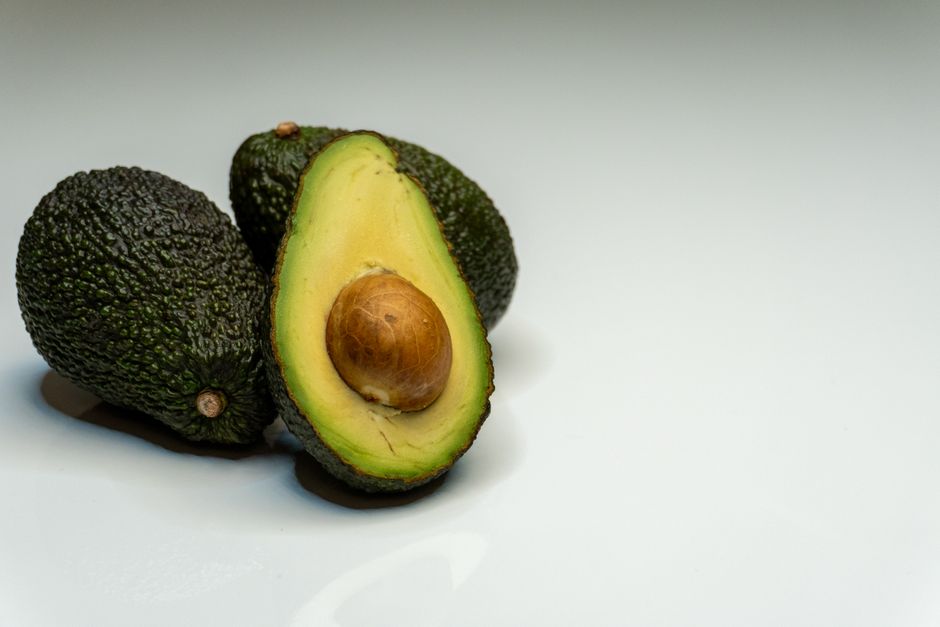
Photo: Jess Loiterton via Pexels
This article is for general informational purposes only and does not constitute medical or dietary advice. Always consult a licensed healthcare provider or registered dietitian before making significant changes to your diet, especially if you have a medical condition.