 Diana Walsh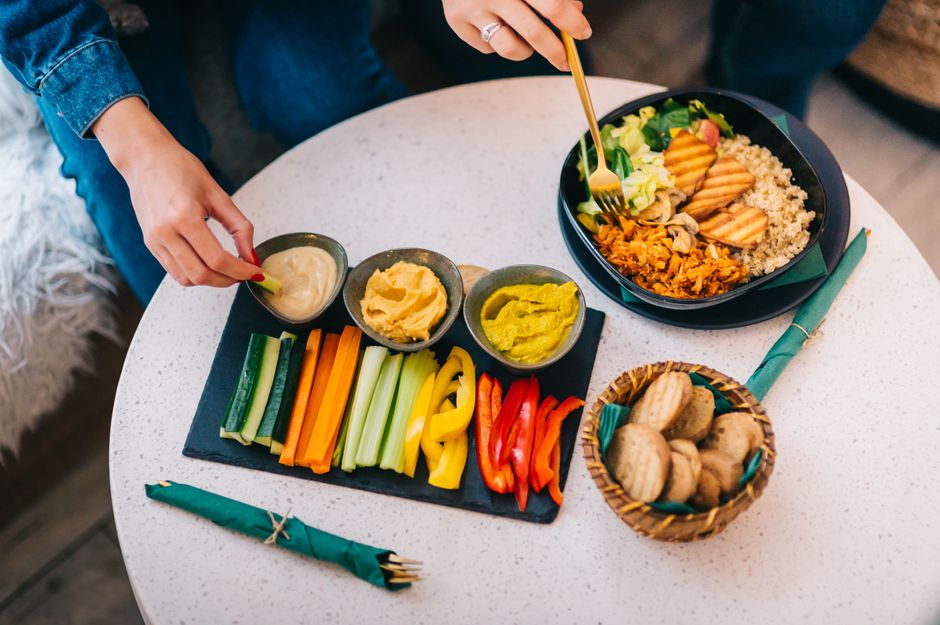
Hummus comes up in almost every single intake session I do with new low-carb clients. Someone finds out they can’t have bread, crackers, or chips anymore, and their first question is: “But hummus is basically just chickpeas and tahini, right? That’s okay?” And I have to be the person who explains that chickpeas are, in fact, a significant source of carbohydrates. The look of disappointment is real.
So let me give you the full, honest picture, because the answer isn’t a flat yes or no, and the nuance actually matters for how you eat day to day.
The Carb Count, Straight Up
A standard two-tablespoon serving of store-bought hummus (the kind you’d find at Trader Joe’s or Sabra at most grocery stores) runs about 4 to 5 grams of total carbs, with roughly 1 gram of fiber, putting net carbs somewhere around 3 to 4 grams per serving. That sounds manageable.
The problem is that nobody eats two tablespoons of hummus.
When I track actual client food logs, a realistic snack portion is closer to 4 to 6 tablespoons, sometimes a quarter cup or more. At that amount you’re looking at 8 to 12 grams of net carbs before you’ve touched anything you’re dipping. Add a few celery sticks and you’re fine. Add half a bag of pita chips (the way most people actually eat hummus) and you’ve blown through a full day’s carb budget in one sitting.
Here’s a comparison worth having:
| Hummus Type / Brand | Serving Size | Total Carbs | Fiber | Net Carbs | Calories |
|---|---|---|---|---|---|
| Sabra Classic (store-bought) | 2 tbsp (28g) | 4g | 1g | 3g | 70 |
| Trader Joe’s Organic Hummus | 2 tbsp (28g) | 5g | 1g | 4g | 50 |
| Hope Foods Original Recipe | 2 tbsp (28g) | 5g | 1g | 4g | 60 |
| Homemade (standard recipe) | 2 tbsp (~28g) | 5g | 1.5g | 3.5g | 65 |
| Cauliflower hummus (homemade) | 2 tbsp (~28g) | 3g | 1g | 2g | 40 |
| Edamame “hummus” | 2 tbsp (~28g) | 2g | 1g | 1g | 45 |
Numbers are approximations based on USDA database values and product nutrition labels, current as of July 2026. Individual brands vary, so check the label on your specific container.
The bottom line on the numbers: traditional hummus is a moderate-carb food. Not keto-friendly in any meaningful serving size, but not a dietary catastrophe if you’re careful.
What Strict Keto Actually Allows
Most people following a therapeutic or strict ketogenic diet aim for 20 to 30 grams of net carbs per day, total. A “dirty keto” or liberal low-carb approach might allow 50 to 75 grams. Where you fall on that spectrum completely changes how hummus fits into your life.
If you’re doing strict keto for neurological reasons, epilepsy management, or specific therapeutic goals under a doctor’s supervision, hummus is essentially off the table. Three to four grams of net carbs from a condiment is a meaningful chunk of a 20-gram daily budget, and it tends to bring along higher-carb companions (crackers, bread, pita).
If you’re doing a relaxed low-carb approach to lose weight or manage blood sugar without hitting full ketosis, two tablespoons of hummus as part of a vegetable plate is not going to wreck anything. I’d just measure it. Don’t guess.
I made this mistake myself in my early years of recommending low-carb eating: I told clients “hummus in moderation is fine” without being specific about what moderation meant. One client, Laura, was genuinely confused why she’d stalled for three weeks. When we pulled her food diary, she was having what she called “a small bowl” of hummus with cucumbers every afternoon. Her small bowl was about 200 calories’ worth. That’s closer to 12 to 15 grams of net carbs in one snack, daily. We swapped it for cucumber slices with a tablespoon of tahini and a drizzle of olive oil. She was back moving in two weeks.
The Chickpea Problem (And Why It’s Not Fully Bad News)
Lasagna without Noodles?! Meal Prep Dinner Idea, Low Carb, Keto Friendly · Low Carb Love on YouTube
Chickpeas are legumes. Legumes are starchy. There’s really no getting around that. A full cup of cooked chickpeas has about 45 grams of total carbs and 12 grams of fiber, landing at roughly 33 grams of net carbs. That’s why hummus as a vehicle for chickpeas is going to have a carb floor that you can’t engineer away just by adding more olive oil or tahini.
What some keto advocates push back on is the glycemic index argument. Chickpeas have a relatively low glycemic index, around 28 to 36 depending on preparation, which means blood sugar rises more slowly compared to, say, white bread (GI around 75). A 2012 study published in the Archives of Internal Medicine by Jenkins et al. found that legume consumption was associated with improved glycemic control in type 2 diabetes patients, which is genuinely interesting. But glycemic index doesn’t equal low-carb. The carbs are still there; they’re just slower.
So if your goal is ketosis as measured by ketone production, chickpeas work against you. If your goal is blood sugar management with a modest carb reduction, they’re a far better choice than most snack foods.
Keto-Friendly Alternatives That Actually Taste Good
I’m not going to pretend that cauliflower hummus is the same as real hummus. It’s not. The texture is different, the flavor is earthier, and if you go in expecting an identical experience you’ll be disappointed. But it’s genuinely good on its own terms, and the carb count is meaningfully lower.
Here’s my standard cauliflower hummus approach: roast a head of cauliflower until the edges are dark brown (this matters more than most recipes admit, because raw or steamed cauliflower gives you something watery and sad), then blend it with 3 tablespoons of tahini, 2 cloves of garlic, the juice of a lemon, 2 tablespoons of good olive oil, salt, and about a teaspoon of cumin. The roasting step takes about 30 to 35 minutes at 425°F, and the browning is where most of the flavor comes from. Don’t skip it.
Other options worth knowing:
- Edamame dip: Blend shelled edamame with tahini, garlic, lemon, and olive oil. Lower net carbs than chickpea hummus, higher in protein, and the color is genuinely beautiful. Works the same way as hummus as a dip.
- Tahini as a straight substitute: Two tablespoons of tahini has about 3 grams of net carbs and a deeply satisfying fat content. Thin it with lemon juice, salt, and a little water. It’s not hummus, but it scratches the same itch for a lot of people.
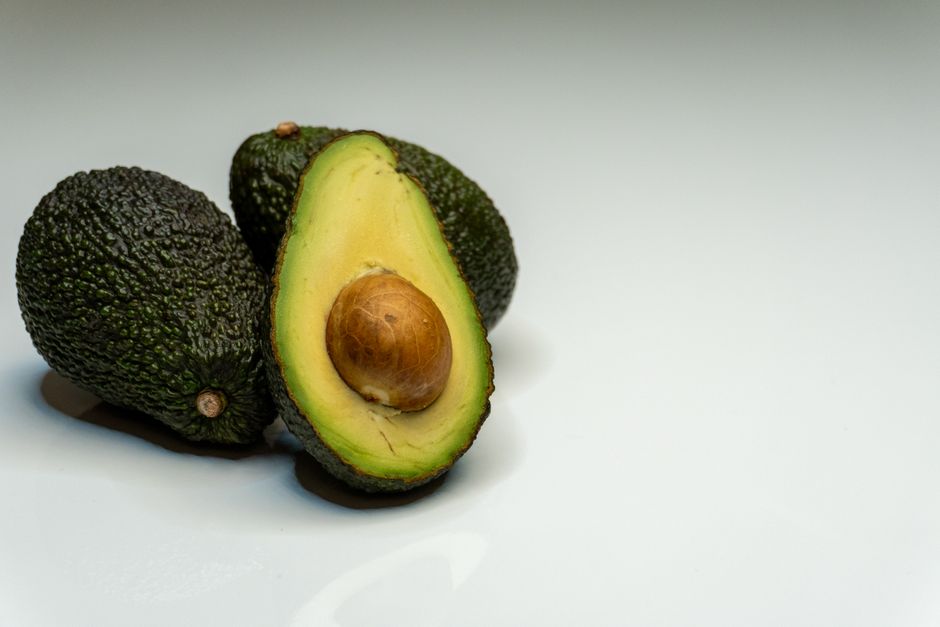
- Avocado-based dips: Yes, guacamole. One to two grams of net carbs per two-tablespoon serving and significantly more fat. Not the same flavor profile, but works for the “creamy dip with vegetables” use case.
How to Keep Hummus Without Wrecking Ketosis
Here’s the scenario that actually works for most people who aren’t doing strict therapeutic keto:
A client named Marcus, doing low-carb to manage his A1C, loved hummus and wasn’t willing to give it up completely. We worked out a system:
- Two tablespoons measured (not eyeballed) with a kitchen scale (something like the OXO Good Grips food scale, about $15 on Amazon, is genuinely worth having for this). (Disclosure: this site may earn a commission on purchases made through Amazon links.)
- Paired with low-carb vegetables only: cucumber, bell pepper strips, celery, radishes, broccoli florets.
- No crackers, pita, or bread. Full stop.
- Counted in his daily carb total rather than treated as a “free” food.
His net carbs from hummus: 4 grams. His A1C moved from 6.8 to 6.1 over six months, with hummus still in the picture. That’s not a hummus success story, that’s a portion control and pairing strategy success story. Hummus just happened to survive it.
The other piece that matters: track your individual response. Some people have a more pronounced blood sugar response to legumes than others. If you have a continuous glucose monitor or you’re testing ketones with something like a Keto-Mojo meter (currently around $50 to $60 for the device), it’s worth checking whether a measured portion of hummus kicks you out of ketosis. For most people in mild nutritional ketosis, two tablespoons probably won’t. But “probably” isn’t certainty.
Sources
- Jenkins DJA et al. (2012): “Effect of Legumes as Part of a Low Glycemic Index Diet on Glycemic Control and Cardiovascular Risk Factors in Type 2 Diabetes Mellitus.” Archives of Internal Medicine, 172(21), 1653-1660.
- USDA FoodData Central: Nutritional database for hummus, chickpeas, tahini, and alternative dip ingredients. fdc.nal.usda.gov
- Westman EC et al. (2007): “Low-carbohydrate nutrition and metabolism.” American Journal of Clinical Nutrition, 86(2), 276-284. Overview of carbohydrate thresholds for ketosis.
- Atkinson FS, Foster-Powell K, Brand-Miller JC (2008): “International Tables of Glycemic Index and Glycemic Load Values.” Diabetes Care, 31(12). Source for chickpea glycemic index values.
Photo: Novkov Visuals via Pexels
This article is for general informational purposes only and does not constitute medical or dietary advice. Always consult a licensed healthcare provider or registered dietitian before making significant changes to your diet, especially if you have a medical condition.