 Emma Lawson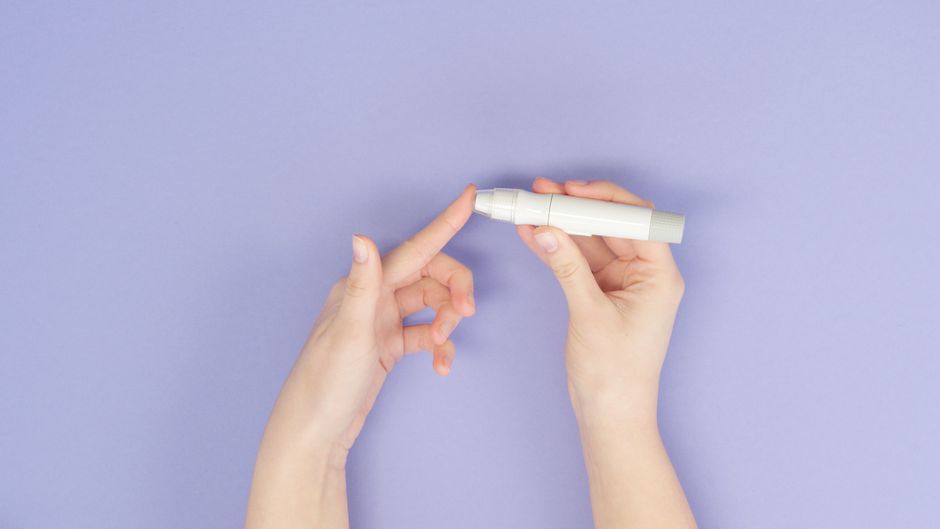
Most people test for ketosis at home and walk away more confused than they started. Not because they’re doing it wrong, necessarily. Because they’re using the wrong tool for what they’re actually trying to figure out.
Let me fix that.
Use this decision matrix to match your testing method to your actual goal, experience level, and practical constraints.
| Factor | Urine Strips | Breath Meter | Blood Meter |
|---|---|---|---|
| Best for | First 2-4 weeks only; confirming initial ketosis entry | Daily habit tracking; trend monitoring over months | Precise BHB levels; troubleshooting stalls; therapeutic ketosis |
| Avoid if | Keto-adapted (6+ weeks); need precision; tracking therapeutic levels | Need clinical-grade accuracy; budget under $150 | Needle-averse; testing more than 1-2x daily long-term |
| Reliability timeline | Degrades after 3-6 weeks as body adapts | Consistent over time | Consistent over time |
| Upfront cost | $10-12 (100 strips) | $150-250 | $40-60 (meter + 10-20 strips) |
| Ongoing cost | ~$0.10/test | $0 (no consumables) | $0.80-1.50/strip |
| Break-even vs. blood | N/A | ~150-200 tests (~5-7 months daily) | N/A (baseline) |
| Ketone measured | Acetoacetate (excreted, not used) | Acetone (metabolic byproduct) | BHB (primary fuel ketone) |
| Result interpretation | Color match to chart; subjective | Numeric ppm or proprietary score | Precise mmol/L reading |
| Optimal ketosis threshold | Moderate-dark color (illustrative only) | Device-specific; typically 10-40 ACEs or 5-20 ppm | 0.5-3.0 mmol/L (nutritional ketosis) |
General information for comparison, confirm specifics for your situation.
The Three Methods, and What They’re Actually Telling You
Three ways exist to test for ketosis at home: urine strips, breath meters, and blood ketone meters. They measure different things. Different accuracy. And the one most beginners grab, the urine strips? It becomes unreliable the fastest.
Urine strips detect acetoacetate, a ketone your kidneys excrete. They’re cheap (Smackfat and Perfect Keto both sell 100-strip bottles for around $10-12), dead simple to use, and they work fine in the early weeks. Here’s the catch: after a few weeks of keto, your body adapts. It gets better at using ketones. You excrete less of them. A person who’s been keto for months can be running strong blood ketones and still get a pale pink or totally negative urine strip reading. I’ve watched people bail on keto in week six because their strips “stopped working” and they assumed they’d fallen out of ketosis. They hadn’t. That’s the frustrating part.
Breath meters measure acetone in your exhaled breath. The BIOSENSE costs about $189 and is probably the most popular right now. There’s also the Ketonix, which has been around longer. Neither needs consumables, which wins points if you’re testing consistently over months. Accuracy falls somewhere between strips and blood testing. A 2020 study in the Journal of Breath Research found breath acetone correlated reasonably well with blood BHB levels during fasting and nutritional ketosis. My honest read: they’re a solid middle option, especially if finger sticks make you uncomfortable.
Blood ketone meters are the gold standard. Period. They measure beta-hydroxybutyrate (BHB), the primary ketone your body actually produces and burns for fuel. The Keto-Mojo GK+ is my go-to recommendation. Around $60 for the starter kit, and strips run roughly $1 each if you buy bulk. The meter also measures blood glucose, which matters if you’re tracking your Glucose Ketone Index (more on that in a moment). Yes, you’re pricking your finger. Yes, the strips add up. But if you want to know what’s metabolically real, blood testing is it.
How to Actually Get an Accurate Reading
A lot of the confusion I hear from readers comes from inconsistent results that have nothing to do with ketone fluctuation. Testing error.
A few things matter more than most guides bother to mention:
Blood ketone levels swing throughout the day. Lowest in the morning (fasted, post-sleep) and highest in late afternoon. Test after exercise and you’ll see a temporary dip. Test after a fatty meal and it’ll spike. Neither means you’ve entered or exited ketosis. It’s just normal metabolic rhythm.
For consistency, pick one testing window and stay there. I test fasted, first thing in the morning, before coffee. That gives me a baseline I can actually compare. Random testing is just chasing noise.
With the Keto-Mojo specifically: strips need to be at room temperature, your hands need to be clean and dry (food residue skews the glucose read and can cross-contaminate the strip), and you need a good drop of blood from your fingertip side, not the pad. Lancing depth matters. I keep mine at level 3; anything lower and you’re squeezing your finger to get a drop, which dilutes the sample.
What “In Ketosis” Actually Means
Keto Diet Theory Put to the Test · NutritionFacts.org on YouTube
This is where I want to pause. There’s real confusion about what your numbers should be.
Blood ketones between 0.5 and 3.0 mmol/L count as nutritional ketosis. Most people doing standard keto land between 0.5 and 1.5. You don’t need to hit 3.0 to get fat loss or metabolic benefits. The research doesn’t back the idea that higher ketones equal better results for most people doing this. That messaging sells more strips and supplements, frankly.
If keto is therapeutic for you (epilepsy management, working with a physician on metabolic disease), targets might differ and should come from your medical team. I’m talking about the average person using keto for weight loss, energy, or general metabolic health.
Some people track their Glucose Ketone Index (GKI), which is blood glucose (in mmol/L) divided by blood ketones. A GKI below 9 indicates ketosis, below 6 indicates moderate ketosis, and below 3 is considered deep therapeutic ketosis. This is where a dual meter like the Keto-Mojo actually pays for itself. The Keto-Mojo website has a simple GKI calculator if you don’t want to do the math.
A Note on Exogenous Ketones and Testing
Sources
- Artem Podrez
- in the Journal of Breath Research found breath acetone correlated reasonably w
- doesn’t back the idea that higher ketones equal better results for most people d
Taking exogenous ketone supplements (HVMN, Perfect Keto’s ketone esters or salts) will show up as elevated BHB on a blood meter. That doesn’t mean you’re in nutritional ketosis. It means you drank ketones. This surprises people. I’ve had readers get excited telling me their blood ketones hit 4.2 after a ketone drink, thinking it’s a sign of something. It’s not. The goal is endogenous production from fat metabolism. Exogenous supplementation is a different animal.
Testing for ketosis stops being complicated once you understand what each method measures. Get a blood meter if accuracy matters to you. Use strips if you’re just starting and want cheap confirmation before committing. And give yourself permission to test less frequently once you’ve figured out your normal. A $1-per-strip daily habit adds up fast, and most people six months into keto don’t need to check nearly as often as they think.
(This article contains affiliate links. The site may earn a commission on purchases made through those links, at no extra cost to you. All product recommendations reflect my honest assessment. For personalized medical guidance, consult a qualified healthcare provider.)
Photo: Artem Podrez via Pexels
This article is for general informational purposes only and does not constitute medical or dietary advice. Always consult a licensed healthcare provider or registered dietitian before making significant changes to your diet, especially if you have a medical condition.