 Jake Torres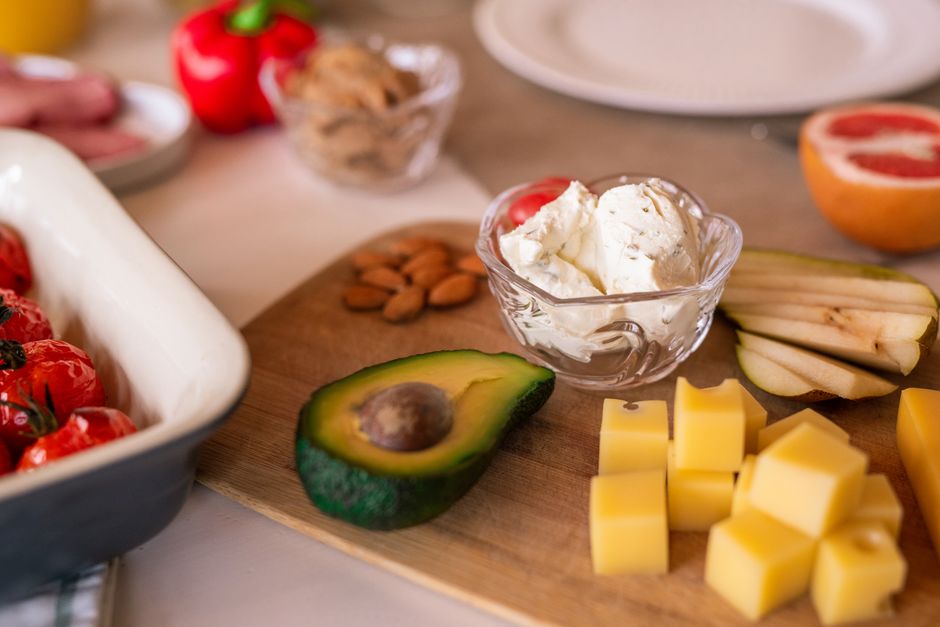
Most people quit keto within the first two weeks. Not because it doesn’t work, but because they expect it to feel like every other low-calorie diet they’ve tried, get blindsided by fatigue and headaches around day three, and assume they’re doing something wrong. They’re not. That misery has a name, and once you understand what’s actually happening inside your body during those first days, starting keto stops feeling like a gamble.
What Keto Actually Is (and Isn’t)
Keto is short for ketogenic, which just means your body enters a metabolic state where it’s burning fat for fuel instead of carbs. Your liver produces ketones from that fat. People freak out because ketosis sounds like ketoacidosis, a dangerous condition in type 1 diabetics. They’re completely different. Nutritional ketosis keeps blood ketone levels between roughly 0.5 and 3.0 mmol/L. Ketoacidosis pushes them above 10.
The standard split is roughly 70-75% calories from fat, 20-25% from protein, and 5% or less from carbs. For most people, that means under 20-25 grams of net carbs daily. Net carbs are total carbs minus fiber, since your body doesn’t digest fiber.
What keto is not: a meat-only diet, a reason to eat unlimited bacon, or a plan requiring expensive specialty foods. The fundamentals are straightforward. Fatty proteins, leafy vegetables, full-fat dairy, nuts, seeds, oils. Most people overthink this part way too much.
The Science Behind Why It Works
When you cut carbs dramatically, your body burns through its glycogen stores (sugar stockpiled in your liver and muscles) in about two to three days. Once those deplete, insulin drops. Low insulin tells your fat cells to release stored fatty acids. Your liver converts those acids into ketone bodies, which your brain and muscles burn for energy instead of glucose.
This shift matters. Ketones produce less oxidative stress than glucose. Hunger hormones drop, particularly ghrelin. Blood sugar stabilizes, killing the mid-afternoon energy crash that plagues high-carb eaters. Since fat is denser fuel, many people naturally eat less without trying.
The research here is solid for specific outcomes. A 2022 meta-analysis in Nutrients found ketogenic diets significantly reduced fasting glucose and HbA1c in type 2 diabetics. Studies consistently show keto outperforms low-fat diets for short-term weight loss over six to twelve months. The evidence for long-term maintenance is thinner, and that deserves honesty. Keto works exceptionally well for many people. It’s also not something you need to stay on forever if it doesn’t fit your life.
Your First Week: What to Expect and How to Survive It
Full Beginner Keto Meal Plan: Exactly What to Eat · Thomas DeLauer on YouTube
Days one and two usually feel fine. Day three hits like a wall.
The keto flu is real. As glycogen depletes, your kidneys flush water and electrolytes fast. Sodium, potassium, and magnesium drop sharply. You get headaches, fatigue, brain fog, muscle cramps, and irritability. It’s uncomfortable. It’s also temporary and almost entirely preventable with the right electrolyte strategy.
Here’s how to handle your first week:
Drop carbs immediately, don’t taper. Some people gradually reduce carbs thinking it’ll be easier. For getting into ketosis, a clean break is faster. Go under 20g net carbs on day one.
Salt aggressively. This sounds counterintuitive if you’ve been told sodium is the enemy. On keto, with lower insulin, your kidneys excrete sodium rather than retaining it. Add salt to everything. Drink a cup of broth daily. Aim for 3,000-5,000mg of sodium per day during adaptation.
Take a magnesium supplement. 300-400mg of magnesium glycinate or malate before bed helps with sleep, cramps, and constipation. Oxide is poorly absorbed, so skip that form.
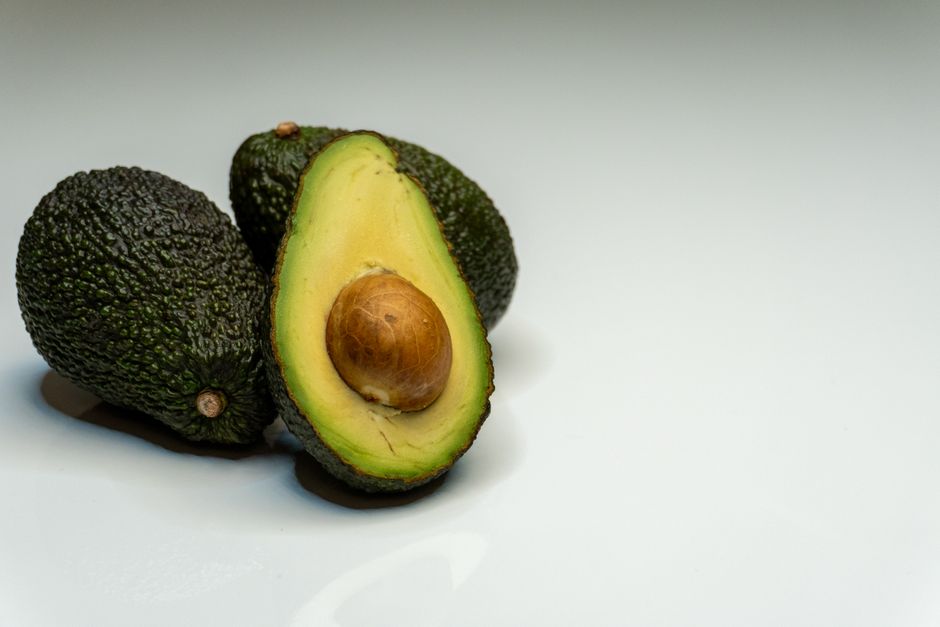
Get potassium from food. Avocados, leafy greens, and salmon are excellent sources. One large avocado has about 700mg. Aim for around 3,500mg daily.
Eat enough fat. Beginners often undershoot fat because of years of low-fat conditioning. If you’re hungry, eat more fat. Olive oil on everything, fatty cuts of meat, full-fat cheese. This isn’t the time to hold back.
Don’t track calories yet. Focus on getting macros right for the first two weeks. Your appetite will regulate once you’re fat-adapted.
Expect scale movement early. You’ll likely drop 3-5 pounds in the first week. Almost all of it is water weight from depleted glycogen and reduced insulin. Don’t get attached to that number; real fat loss shows up in weeks two through four.
For electrolytes, a quality supplement like LMNT electrolyte packets can make a real difference during the adaptation phase. (This site may earn a commission on purchases.)
Building a Keto Plate: What to Eat and What to Cut
The food list is simpler than most guides make it. Here’s what actually matters:
| Category | Eat Freely | Eat in Moderation | Avoid |
|---|---|---|---|
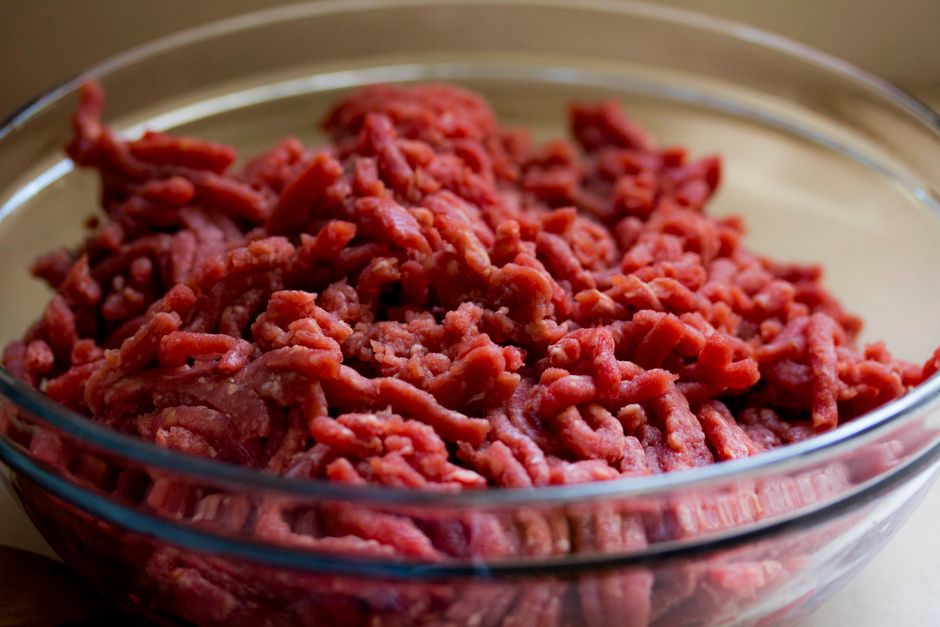
| Proteins | Beef, pork, chicken thighs, salmon, eggs, sardines | Chicken breast (low fat, fine with fat sources) | Breaded/processed meats with fillers |
| Fats | Olive oil, avocado oil, butter, ghee, coconut oil | MCT oil (can cause GI distress in large amounts) | Vegetable/seed oils high in omega-6 |
| Vegetables | Spinach, zucchini, broccoli, cauliflower, kale, asparagus | Tomatoes, onions, bell peppers (count carbs) | Corn, peas, potatoes, sweet potatoes |
| Dairy | Heavy cream, full-fat cheese, butter | Greek yogurt (full fat, small portions), cream cheese | Milk, low-fat dairy, flavored yogurts |
| Nuts & Seeds | Macadamia, pecans, walnuts, chia, flaxseed | Almonds, cashews (higher carb, portion carefully) | Cashews in large amounts, trail mix with dried fruit |
| Beverages | Water, black coffee, tea, sparkling water | Dry red/white wine (occasionally) | Juice, soda, sports drinks, beer |
A realistic day of eating looks like this: scrambled eggs with spinach and cheese cooked in butter for breakfast. A big salad with grilled chicken thighs, avocado, olive oil, and full-fat dressing for lunch. Salmon with roasted broccoli and a generous pour of olive oil for dinner. No deprivation. No tiny portions. That day probably clocks around 1,800 calories, 140g fat, 110g protein, and 18g net carbs.
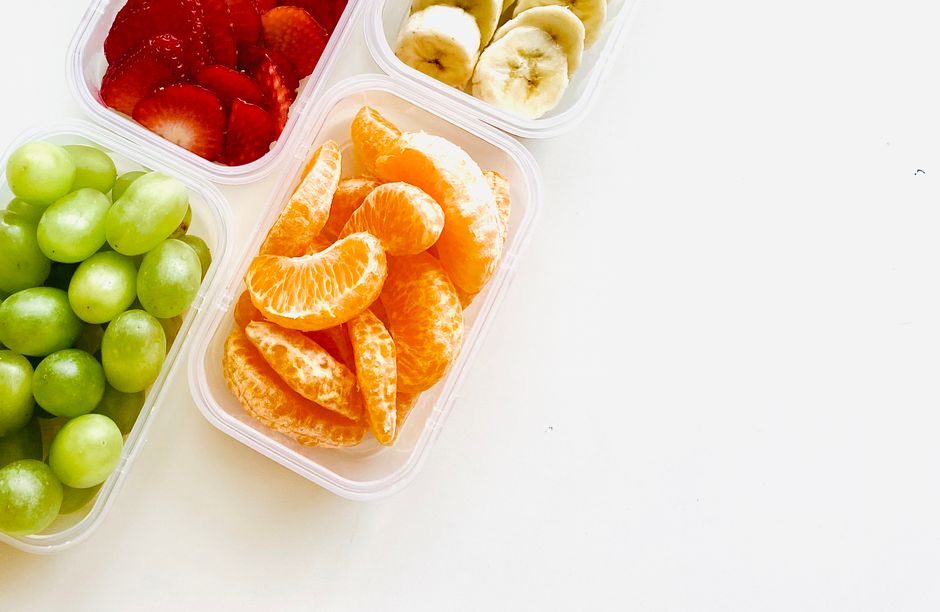
For meal prep, the right containers make consistency easier. Glass meal prep containers keep food fresh, reheat well, and help you pre-portion so you’re not guessing at macros midweek. (This site may earn a commission on purchases.)
Tracking Macros Without Losing Your Mind
Sources
- LMNT electrolyte packets
- Glass meal prep containers
- kitchen scale
- Alexy Almond
- here is solid for specific outcomes
You don’t need to track forever. But for the first four weeks, tracking teaches you where carbs actually hide. Ketchup. Salad dressings. Nuts. That “healthy” protein bar. Most people are shocked.
Download Cronometer or Carb Manager. Both are free and handle net carb calculations automatically. Log your meals for a few weeks until you develop an intuitive sense of portions. After that, many people move to a loose approach where they track occasionally or only when progress stalls.
A kitchen scale is your best early investment. Eyeballing nuts is notoriously unreliable; a 1-ounce serving of almonds looks much smaller than most people expect. A digital kitchen scale costs under $15 and removes the guesswork. (This site may earn a commission on purchases.)
Set your macro targets based on your goals. For weight loss, a common starting point is 20g net carbs, 0.7-1g of protein per pound of lean body mass, and fat to fill the rest. Don’t chase high fat percentages by cutting protein. Adequate protein protects muscle mass during fat loss, and muscle is metabolic currency you don’t want to lose.
Starting keto is genuinely one of the more dramatic metabolic experiments you can run on yourself, and the first two weeks are the hardest. Once you’re fat-adapted, most people describe a clarity and sustained energy that feels different from anything they experienced eating higher-carb. That’s not hype. It’s what fat-adapted metabolism actually feels like. Get your electrolytes right, track your macros honestly for a few weeks, and give it a full 30 days before you decide. Most people who make it through that first window don’t regret it.
Photo: Alexy Almond via Pexels