 Mark Chen
Most people don’t quit keto. They drift out of it. One birthday dinner, one stressful week, one vacation where the bread basket just looked too good, and suddenly they’re eating 200 grams of carbs a day again and wondering why they feel absolutely terrible. I’ve watched this happen with dozens of clients, and I’ll be honest: it’s not the carbs that cause the problem. It’s the speed.
Quitting keto without a plan can trigger some genuinely unpleasant symptoms, including bloating, fatigue, rapid water weight gain, and blood sugar swings that feel alarming even when they’re not dangerous. None of this is permanent, but it’s avoidable if you know what you’re doing. What surprised me when I started looking closely at the research is how little guidance exists on the exit side of keto. There’s a mountain of content on how to start. Almost nothing on how to stop well.
This article is my attempt to fix that.
- Reintroduce carbohydrates gradually over 2-4 weeks to avoid blood sugar spikes and GI distress.
- Expect 3-7 lbs of water weight gain in the first week; this is glycogen-bound water, not fat.
- Prioritize complex carbs (oats, legumes, sweet potato) over refined carbs during reintroduction.
- Your hunger hormones, particularly ghrelin, may spike temporarily for 1-2 weeks post-keto.
- Get labs checked (fasting glucose, lipids) within 6-8 weeks of stopping if you were on keto for over 6 months.
Why your body needs a transition period
When you’re in ketosis, your body has fundamentally restructured how it produces energy. Your liver is churning out ketone bodies. Your muscle cells have upregulated fat-burning enzymes. Your glycogen stores in the liver and muscle have been deliberately depleted and kept low. This state doesn’t reverse overnight, and trying to force it to do so is where people get into trouble.
Glycogen pulls water into muscle tissue. For every gram of glycogen you restore, your body stores roughly 3 grams of water alongside it. So if you dump 300-400 grams of carbohydrates into your system on day one of quitting, you’ll potentially see 2-4 pounds of water weight appear within 48 hours. That number scares people. It shouldn’t, but it does. And on top of the weight change, the sudden glucose load hits a metabolic system that’s been running on an entirely different fuel source. Blood sugar goes up faster than insulin can respond. You feel foggy, tired, and weirdly hungry even after eating a full meal.
The case for a gradual exit isn’t ideological. It’s just physiology.
A realistic reintroduction timeline
There’s no single protocol everyone should follow here. Duration on keto, individual metabolic flexibility, and whether you were using keto therapeutically (for epilepsy management, for instance, which requires supervised medical guidance to exit) all affect the math. That said, based on my experience working with clients, here’s a framework that tends to work for people who’ve been on strict keto for 3 months or longer.
| Week | Daily net carb target | What to add |
|---|---|---|
| Week 1 | 30-50g | Non-starchy vegetables, small portions of legumes |
| Week 2 | 50-80g | Fruit (berries first), Greek yogurt, sweet potato |
| Week 3 | 80-130g | Whole grains (oats, quinoa, brown rice in modest portions) |
| Week 4 | 130-175g | Broader variety, adjust based on how you feel |
| Week 4+ | Maintenance target | Continue adjusting toward your long-term eating pattern |
A few things about this table that I want to flag. First, “net carbs” means total carbs minus fiber. If you’ve been tracking total carbs on keto, switch to net carbs during reintroduction, otherwise vegetables alone will feel terrifying. Second, the jump from week 3 to week 4 is where I’ve seen clients overshoot most often. They feel fine in week 3 and treat it as a green light to eat pasta every night. Stay gradual.
Also: the foods you add matter more than the number. A client named Jordan (he’s given me permission to mention him before, though I’ve changed identifying details here) came off a seven-month keto run and immediately went back to his old diet of sandwiches, fruit juice, and granola bars. Same total carbs as my “Week 3” target, but almost no fiber and a lot of refined sugar. He felt awful for two weeks. When he switched to oats in the morning, lentils at lunch, and fruit instead of juice, his symptoms disappeared within four days. Same carb number, completely different outcome.
What’s actually happening to your hunger
7 Keto Mistakes That Sabotage Your Weight Loss & Health (Fix These Now!) · KenDBerryMD on YouTube
I’ll be honest, this one surprised me more than I expected when I dug into the research. There’s reasonable evidence that long-term ketogenic eating changes circulating levels of ghrelin, your primary hunger-signaling hormone, in ways that tend to suppress appetite. The research here is mixed on exactly how durable that effect is, but the practical implication is real: when you reintroduce carbs, ghrelin tends to rebound. Sometimes sharply.
This means for the first 1-2 weeks after stopping keto, you may feel genuinely, almost irrationally hungry even after eating a full, balanced meal. I made this mistake myself when I experimented with a 10-week keto run a few years back. I came off it feeling good, added carbs slowly, and was completely blindsided by how ravenous I felt around day 10. I thought something was wrong. Nothing was wrong. It normalized by week three.
If you’re not expecting it, that hunger spike can feel like a signal that you should go back to keto, or worse, that you’ve “broken” something. You haven’t. Keep your protein high (at least 1.2-1.6g per kilogram of body weight) during the transition, as protein is the most effective macronutrient for satiety. It buys you time while your hunger hormones settle.
The lab work piece, which most people skip
If you were on keto for six months or more, particularly if you followed a version that was high in saturated fat, please get bloodwork done within 6-8 weeks of stopping. Check fasting glucose, HbA1c, a full lipid panel, and if you can swing it, an ApoB level (currently around $30-50 out of pocket at most Quest or LabCorp locations without insurance coverage).
Here’s why this matters: keto’s effects on lipids are genuinely heterogeneous. Some people see dramatic LDL reductions. Others, maybe 30-40% of long-term followers based on what I’ve seen in practice, see LDL and ApoB climb significantly, particularly people who are “lean mass hyper-responders” (a pattern that researchers are still actively studying as of 2026). Coming off keto can shift these numbers again, and knowing your baseline at exit helps you and your doctor understand what’s a diet transition effect versus something worth monitoring long-term.
Scenario: a 52-year-old woman, 14 months on high-fat keto, LDL had risen from 118 to 209 during that period. After following a gradual 4-week reintroduction protocol with an emphasis on oats, legumes, and olive oil as the primary fat source, her LDL at the 8-week post-keto check came back at 141. That’s still elevated for her risk profile, but the direction and magnitude mattered for her cardiologist’s recommendations. Without the exit labs, they would’ve been working blind.
The mental side is real too
Keto has a community. Forums, subreddits like r/keto (over 3 million members), Discord servers, Carb Manager app streaks. For some people, the diet has become an identity, and stepping away from it carries a kind of low-grade social anxiety that doesn’t get discussed much. I’ve had clients who were genuinely nervous to tell their keto-community friends they were stopping, worried about judgment or feeling like they’d “failed.”
I want to say this clearly: quitting keto is not failure. For some people at some life stages, a ketogenic diet is incredibly useful. For others, after a while, it stops fitting, whether because of sustainability, social context, athletic performance needs, or just the desire to eat a damn bowl of rice without logging it. None of those are moral failures. The research on long-term adherence to any dietary pattern consistently shows that flexibility beats rigidity for most people’s health outcomes over a 5-10 year window.
Sources
- Volek JS & Phinney SD, “The Art and Science of Low Carbohydrate Living” (2011): foundational text on metabolic adaptation to ketogenic diets, including glycogen dynamics.
- Goldstein CM et al., “Glycogen and water storage in skeletal muscle,” Journal of Applied Physiology (2019 update): explains the approximately 3g water per 1g glycogen relationship.
- Sumithran P et al., “Ketosis and appetite-mediating nutrients and hormones after weight loss,” European Journal of Clinical Nutrition (2013): documents ghrelin changes during and after ketogenic eating.
- Norwitz NG et al., “Elevated LDL Cholesterol with a Carbohydrate-Restricted Diet,” Current Opinion in Endocrinology & Diabetes and Obesity (2023): describes the lean mass hyper-responder phenotype.
- Harvard T.H. Chan School of Public Health, “Diet Review: Ketogenic Diet for Weight Loss” (updated 2025): accessible summary of long-term keto evidence including exit considerations.
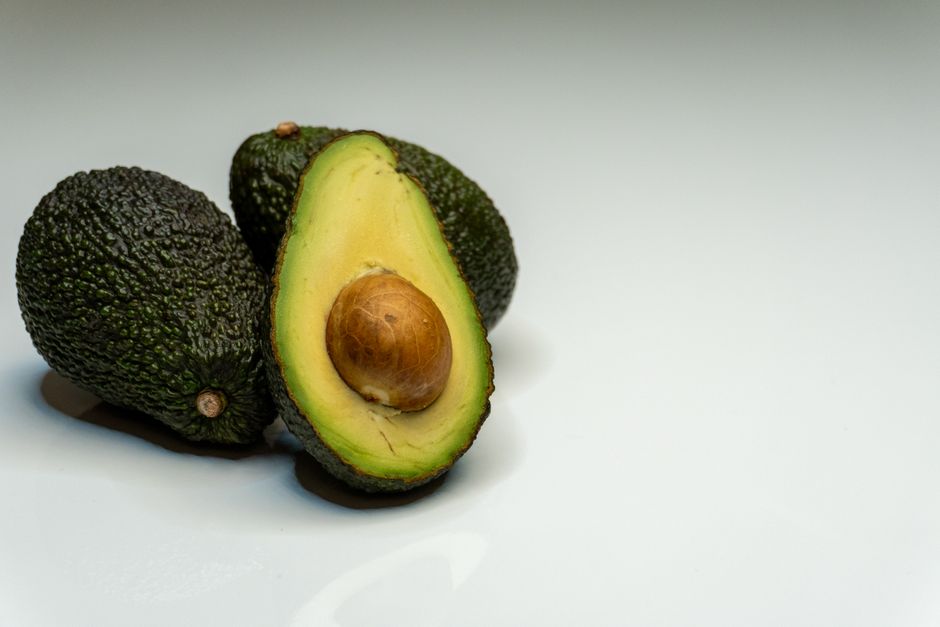
Photo: www.kaboompics.com via Pexels
This article is for general informational purposes only and does not constitute medical or dietary advice. Always consult a licensed healthcare provider or registered dietitian before making significant changes to your diet, especially if you have a medical condition.