 Diana Walsh
Most people doing keto get the carb math wrong in the same direction: they trust the number on the front of the package. That figure, “total carbs”, almost always overstates what your body actually processes. I’ve seen clients stall for weeks, convinced they were doing everything right, only to discover they were eating 40 grams of net carbs a day when they thought they were eating 20. The fix wasn’t discipline or willpower. It was arithmetic.
What Net Carbs Actually Are (And Why They Matter)
Net carbs are the carbohydrates that meaningfully raise your blood glucose and insulin levels. The basic formula is simple:
Net Carbs = Total Carbohydrates - Dietary Fiber - Sugar Alcohols (with conditions)
Not all carbs behave the same way in your body. Dietary fiber passes through the small intestine largely undigested. Soluble fiber gets fermented by gut bacteria in the colon, producing short-chain fatty acids rather than glucose. Insoluble fiber moves through mostly intact. Neither type spikes your blood sugar the way digestible starches and sugars do, which is why the keto community excludes them from the net carb count.
Here’s what makes this matter on keto specifically: you’re trying to keep insulin low enough, and glucose availability scarce enough, that your liver starts producing ketone bodies from fat. If you’re aiming for 20-25 grams of net carbs per day (a common therapeutic threshold), then miscounting by 10 or 15 grams daily can easily knock you out of ketosis or prevent you from getting there in the first place. The margin is that tight for most people starting out.
Fiber: The Part People Usually Get Right
Subtract all fiber from total carbs. That part is straightforward. If a food label shows 12g total carbs and 5g dietary fiber, you’re at 7g net carbs. Done.
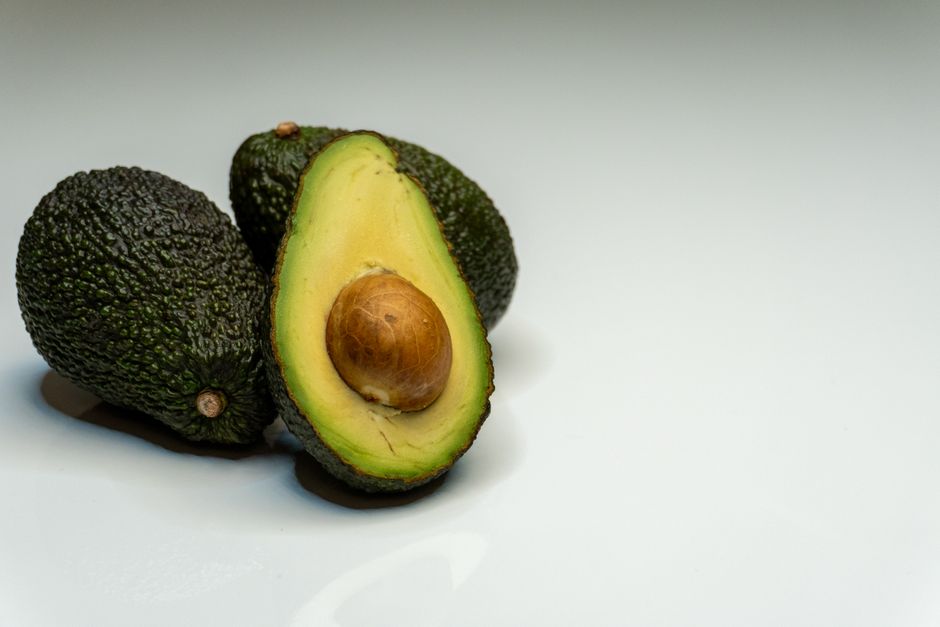
What surprises some people is how this applies to whole foods. A medium Hass avocado has roughly 17g total carbs but about 13g of fiber, landing you at just 4g net carbs. That’s why it’s a keto staple rather than a food to fear. Blackberries run about 6g net carbs per 100g. Flaxseed is almost entirely fiber. Broccoli, cauliflower, spinach, and most non-starchy vegetables look much more manageable once you do the math.
One nuance worth catching: the fiber listed on US nutrition labels is already included in the total carbohydrate number. You’re subtracting it from itself, essentially removing the indigestible portion. In some European labels, fiber is broken out separately and not included in the carbohydrate total, which means you’d be double-subtracting if you applied the American formula. If you’re reading a European food label and the carbohydrate line doesn’t include fiber, your net carbs are already calculated. Check how the label is structured before you do any math.
Sugar Alcohols: Where It Gets Complicated
THE KETOGENIC DIET: Science Behind Low Carb Keto for Fat Loss, Muscle & Health · Jeff Nippard on YouTube
| Sugar Alcohol | Glycemic Index (vs. glucose at 100) | Can You Subtract Fully? |
|---|---|---|
| Erythritol | ~0 | Yes, subtract completely |
| Xylitol | ~13 | Partially; subtract about half |
| Sorbitol | ~9 | Partially; subtract about half |
| Maltitol | ~36 | No; subtract very little or nothing |
| Isomalt | ~9 | Partially |
| Lactitol | ~6 | Partially |
This is where I’ll be honest about the messiness. The research is mixed in places, and the keto food industry has taken some liberties that don’t serve you well.
Sugar alcohols are sweeteners used in keto-friendly products: protein bars, chocolates, ice cream, gummies. They include erythritol, xylitol, maltitol, sorbitol, isomalt, and a few others. Their appeal is that they taste sweet but have varying glycemic impacts compared to sugar.
Most keto products use this formula to calculate net carbs:
Net Carbs = Total Carbs - Fiber - Total Sugar Alcohols
The problem is that not all sugar alcohols deserve to be fully subtracted. Real differences exist:
| Sugar Alcohol | Glycemic Index (vs. glucose at 100) | Can You Subtract Fully? |
|---|---|---|
| Erythritol | ~0 | Yes, subtract completely |
| Xylitol | ~13 | Partially; subtract about half |
| Sorbitol | ~9 | Partially; subtract about half |
| Maltitol | ~36 | No; subtract very little or nothing |
| Isomalt | ~9 | Partially |
| Lactitol | ~6 | Partially |
Maltitol is the one that catches people most often. It’s cheap to produce, widely used in “sugar-free” chocolates and keto-labeled bars, and it raises blood glucose at roughly a third the rate of table sugar. That’s not zero. Someone eating a bar with 20g of maltitol and subtracting all of it is likely getting a meaningful insulin response they didn’t account for. I’ve seen this derail more than a few clients who were eating “keto” products every day.
When I went deep on this, what surprised me was how inconsistently the keto food industry applies these distinctions. A product might technically follow the legal definition of net carbs while understating its real glycemic impact by quite a bit. Read ingredient lists, not just net carb labels on the front.
Fiber Subtypes and the Allulose Exception
Two more things worth knowing. Inulin and chicory root fiber appear in many keto bars and protein products as “prebiotic fiber.” Inulin is a soluble fiber with a very low glycemic index, and most practitioners subtract it fully. The research supports this in most healthy people, though some individuals do experience blood glucose responses to large amounts of inulin. If you’re eating one product a day with 5g of inulin, you’re almost certainly fine subtracting it. If you’re eating three keto bars a day that each contain 8g, pay attention to how you feel and, if you have a glucose meter, how your numbers look.
Allulose is increasingly common in keto products and deserves a mention. It’s technically a sugar (a rare monosaccharide), but it’s absorbed and then excreted without being metabolized, contributing essentially no calories or blood glucose effect. The FDA actually allows manufacturers to exclude allulose from the total carbohydrate count entirely, which means you don’t need to subtract it. It’s already not there. If you see allulose in the ingredients and the label already excludes it from total carbs, you’re set.
A Step-by-Step Process for Calculating Net Carbs
Here’s how I actually approach this for a client just starting out. Five steps that handle most situations.
Step 1: Find the serving size and stick to it.
Everything else is meaningless if you’re eyeballing. A kitchen scale is worth every penny here. Serving sizes on labels are often odd (28g, 43g) and notoriously easy to misjudge. A kitchen scale is one of the first things I recommend to any new keto client. (Disclosure: this site may earn a commission on purchases through these links.)
Step 2: Note the total carbohydrate grams.
This is your starting number.
Step 3: Subtract all dietary fiber.
No conditions here. All fiber comes off.
Step 4: Handle sugar alcohols carefully.
Erythritol only? Subtract all of it. Xylitol or sorbitol? Subtract about half. Maltitol or you can’t identify the type? Consider not subtracting it at all, or track the full total carb number instead and decide if that product is worth including.
Step 5: Don’t subtract anything you can’t identify.
“Other sugars,” “natural flavors,” and vague fiber blends should stay in your count until you know what they are.
For whole, unprocessed foods, use a reliable nutrition database like Cronometer or the USDA FoodData Central. These give you total and fiber carbs for raw ingredients, and the net carb math is clean because you’re not dealing with sugar alcohol games.
Practical Mistakes That Mess Up the Math
Sources
- kitchen scale
- is mixed in places
- supports this in most healthy people
A few patterns I see repeatedly.
Trusting the front-of-package claim without checking the label. “2g net carbs!” on the front sometimes involves math that only works if you subtract maltitol in full. Flip the package over and do your own calculation.
Not accounting for condiments and sauces. A tablespoon of ketchup has about 5g net carbs. Barbecue sauce can hit 10-12g per two tablespoons. People log their protein and vegetables carefully and then pour 4 tablespoons of teriyaki sauce over everything.
Assuming “zero carb” means zero. Spices, hot sauces, and many seasonings have trace carbs. In isolation, 0.5g is nothing. Across six different seasonings used throughout the day, you might be adding 3-4g you didn’t account for.
Not adjusting as foods change. Raw versus cooked weights differ, and the carb content concentrates in some foods as water cooks off. Weigh vegetables raw if you can, or find the cooked entry in your database.
The honest bottom line is that net carb math isn’t complicated, but it does require more attention than most people give it, especially once packaged keto products enter the picture. Whole foods are easier: pull up a reliable database, weigh your portions, do the simple subtraction. Packaged products require you to actually look at what’s inside. Take the time to calculate at least once for every product you eat regularly. You might find everything lines up. You might find you’ve been over your limit for weeks without knowing it. In my experience, that second outcome is more common than people expect, and discovering it is usually the thing that finally makes keto click.
This article is for general informational purposes only and does not constitute medical or dietary advice. Always consult a licensed healthcare provider or registered dietitian before making significant changes to your diet, especially if you have a medical condition.