Most people think they failed keto. What actually happened is they quit before fat adaptation kicked in.
I’ve seen this dozens of times in practice. Someone cuts carbs, feels awful for two weeks, decides low-carb isn’t for them, and goes back to pasta. What they didn’t know is that the misery they were experiencing, the brain fog, the leaden legs, the inexplicable grumpiness, was a sign the process was working. The body was starting to rewire itself. They bailed right before the payoff.
Fat adaptation is real, it’s measurable, and it takes longer than most keto content on the internet admits. Here’s what it actually involves and how to get there without losing your mind in the process.
Understanding what to expect each week helps you distinguish normal adaptation signals from genuine problems worth addressing.
| Week | What's Happening Metabolically | Common Symptoms | Performance Capacity | Action Focus |
|---|---|---|---|---|
| 1 | Liver glycogen depleting; ketone production beginning | Headaches, fatigue, irritability, muscle cramps, brain fog | 50-60% of baseline | Sodium 3-5g/day; hydration; reduce exercise intensity by 40% |
| 2-3 | Blood ketones rising (typically 0.5-3.0 mmol/L); muscles still inefficient at fat oxidation | Symptoms easing but energy inconsistent; afternoon slumps common | 60-75% of baseline | Add magnesium 300-400mg; maintain carb limit strictly |
| 4-6 | Mitochondrial density increasing; muscle fat oxidation improving | Mental clarity improving; physical energy still lagging | 75-85% of baseline | Gradually reintroduce exercise intensity; ensure adequate protein (1.2-1.6g/kg) |
| 7-12 | Enzyme upregulation continuing; brain ketone utilization optimizing | Stable energy; reduced hunger between meals; improved fasting tolerance | 85-95% of baseline | Fine-tune electrolytes based on activity; can test carb tolerance for targeted workouts |
| 12-24 | Full fat adaptation; peak fat oxidation rates achieved in trained individuals | Consistent energy; exercise feels normal; metabolic flexibility established | 95-100%+ (some report improved endurance) | Maintenance phase; some add [strategic carb cycling if desired](/keto-carb-cycling/) |
General information for comparison, confirm specifics for your situation.
What Fat Adaptation Actually Means
Your body runs on two main fuels: glucose and fat. For most people eating a standard Western diet, glucose is always available and always preferred. Fat oxidation gets deprioritized because why bother firing up the backup generator when the main power is on?
Cut carbohydrates low enough, typically under 50 grams of total carbs per day (often under 20-25 to get things moving faster), and you start draining liver glycogen. Once that’s gone, usually within 12-48 hours depending on your activity level, your liver begins producing ketones from fat. That’s ketosis. But here’s the thing most people miss: ketosis and fat adaptation aren’t the same.
Fat adaptation is what happens after sustained ketosis. Your mitochondria multiply. Your muscle tissue increases its capacity to burn fatty acids directly. Your brain gets better at running on ketones. Enzyme systems that were essentially dormant ramp up. The whole shift takes weeks, not days. A 2016 paper in Metabolism by Volek, Phinney, and colleagues found that competitive endurance athletes needed a full 20+ weeks before their fat oxidation rates stabilized. Twenty weeks. Most people give themselves two and call it quits.
The Timeline Nobody Wants to Hear
Week one hits hard for most people. Headaches, fatigue, irritability, muscle cramps, sometimes trouble sleeping. This is partly real metabolic transition and partly electrolyte loss. When insulin drops, your kidneys excrete more sodium, and sodium loss pulls magnesium and potassium with it. This is entirely fixable. Salt your food aggressively, drink broth, and take a magnesium glycinate supplement like the NOW Foods brand (usually $15-18 for a bottle of 180 capsules). Most of the physical misery vanishes.
Weeks two through four: most people start feeling better, but performance is still down. If you exercise, expect reduced power output. Normal. Your muscles are still learning to access fat efficiently, and the aerobic enzyme systems haven’t fully ramped up yet.
Weeks four through eight: this is where it typically clicks for most people. Energy becomes more stable. The mid-afternoon crash disappears. Hunger between meals softens. You stop thinking about food every 90 minutes.
Beyond eight weeks things consolidate deeper. Better fat burning during exercise, clearer mental energy, reduced cravings for refined carbs. Some people describe this as feeling almost effortless.
Here’s the honest caveat: not everyone follows the same timeline. Metabolic health, thyroid function, sleep quality, stress levels, and consistency with low carb all affect the speed. If you’re eating 30 grams of carbs most days and then 80 on weekends, you’re resetting the process repeatedly.
The Specific Things That Actually Move the Needle
Staying consistently under your carb threshold. This is the whole game. No supplement or biohack compensates for carb creep. Track your intake with a scale and a food logging app for at least the first four to six weeks. The number of people who think they’re eating 20 grams of carbs and are actually eating 55 is staggering. A good kitchen scale like the OXO Good Grips model (around $15-20) removes all the guesswork. (This site may earn a commission on purchases made through links.)
Eating enough fat. A lot of people go low-carb and accidentally go low-calorie at the same time. They feel terrible and assume fat adaptation is the problem. If you’re replacing old carb calories with protein and not much fat, your body has less reason to upregulate fat oxidation pathways. Fat should be the primary calorie source, especially early on.
Protein in the right range. This is where keto gets weirdly divisive. Moderate protein, roughly 0.7 to 1.0 grams per pound of lean body mass per day, works for most people. Very high protein can limit ketosis through gluconeogenesis, but this gets overstated. Don’t be afraid of protein. Just don’t treat it as unlimited free food.
Sleep and stress management. I know this sounds soft, but cortisol is genuinely antagonistic to fat adaptation. High cortisol raises blood sugar through gluconeogenesis, which blunts ketone production. I’ve had clients doing everything right dietarily and stalling because they were working 70-hour weeks on six hours of sleep. The diet was fine. The rest of their life wasn’t.
Strategic exercise. Low-intensity aerobic work, walking, easy cycling, Zone 2 cardio actually accelerates fat adaptation by training your aerobic energy systems without hammering glycogen stores. Hard high-intensity workouts are fine once you’re adapted, but in the early weeks they can leave you crushed because your body can’t yet supply ATP fast enough through fat oxidation.
MCT oil can bridge the early adaptation phase. Medium-chain triglycerides convert to ketones very efficiently and quickly. The research doesn’t suggest MCTs speed up the underlying adaptation process, but they reduce brain fog in the early weeks while your body catches up. I use Sports Research cold-pressed coconut-sourced MCT oil, usually $25-30 for a liter. Start with a teaspoon and work up, because jumping straight to a tablespoon will teach you exactly where your nearest bathroom is. (This site may earn a commission on purchases made through links.)
How You Know It’s Working
Sources
- Alexas Fotos
- improved endurance)
Maintenance phase - doesn’t suggest MCTs speed up the underlying adaptation process
- cold-pressed coconut-sourced MCT oil
- if you want it
Forget urine ketone strips after the first few weeks. They measure ketone spillage, not utilization, and they become unreliable once your kidneys and muscles get efficient at using ketones rather than dumping them. Blood ketone meters like the Keto-Mojo (around $60 for the meter kit) give you actual data if you want it.
But honestly, the subjective signs are reliable too. Stable energy without eating every few hours. Exercise that feels sustainable instead of running on fumes. Mental clarity that doesn’t require caffeine every 90 minutes. Hunger that’s more like a suggestion than an alarm. You’ll know.
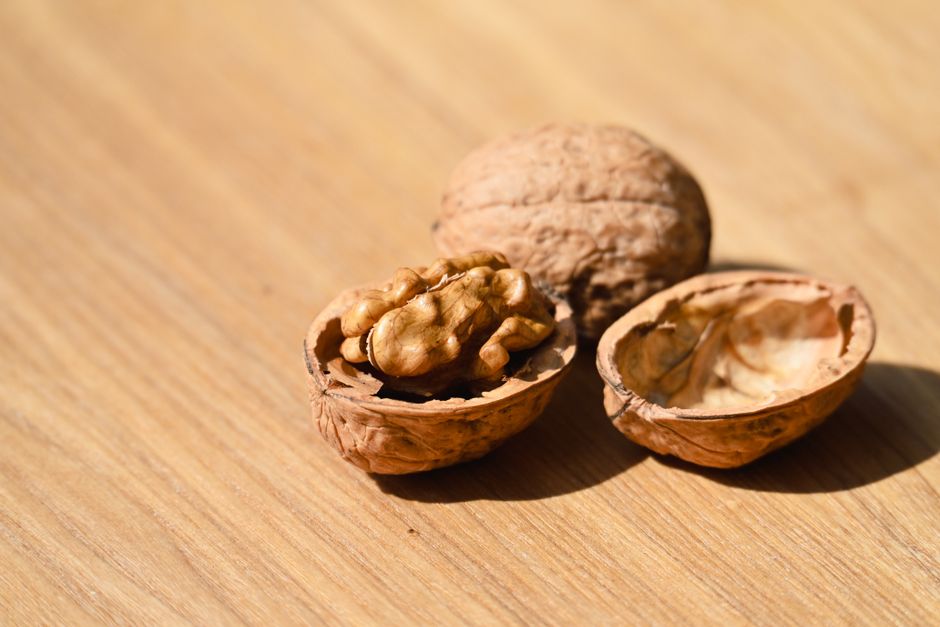
Photo: Alexas Fotos via Pexels
This article is for general informational purposes only and does not constitute medical or dietary advice. Always consult a licensed healthcare provider or registered dietitian before making significant changes to your diet, especially if you have a medical condition.
Note: This site is for general informational purposes only. Dietary changes can affect health conditions and medications. Consult your doctor or a registered dietitian before making significant changes to your diet.Frequently Asked Questions
How long does fat adaptation take?
For most people, the foundational shift happens between four and eight weeks of consistent low-carb eating. Deeper metabolic adaptations, particularly for athletic performance, can take three to six months. There's no universal timeline because individual metabolic health, consistency, sleep, and stress all affect the pace.
Can you speed up fat adaptation with fasting?
Intermittent fasting can help by extending the window where insulin is low and fat oxidation is high. A 16:8 fasting window is a reasonable place to start. It won't compress a three-month process into two weeks, but it does seem to support the process rather than just adding extra restriction for its own sake.
Will exercise hurt fat adaptation if I'm not adapted yet?
Moderate exercise helps. High-intensity training in the first few weeks can leave you feeling completely depleted because your aerobic fat-burning machinery is still catching up. Walking, hiking, and easy cardio are great choices early on. Save the heavy lifts and sprints for after week four or five.
Is it possible to be in ketosis without being fat adapted?
Yes, and this distinction matters. Ketosis just means your liver is producing ketones above a baseline threshold. Fat adaptation means your whole body has reorganized its fuel-use priorities. You can measure ketones on day three and still be months away from true fat adaptation.
What breaks fat adaptation once you have it?
Going back to high-carb eating for an extended period will undo it, though people who've been fat-adapted before tend to re-adapt faster the second time. An occasional high-carb meal is unlikely to derail months of adaptation, but making it a regular habit will. The body is efficient: it uses whatever fuel is consistently available.

Related Articles
What the MIT Keto Cancer Study Actually Found (and What It Doesn't Mean)
3 min read
Keto Diet on $50 a Week: Budget-Friendly Meal Plan
3 min read
Cruciferous Vegetables on Keto: Best Low-Carb Options
3 min read
What the New MIT Nature Study on Keto and Gut Cancer Actually Means
3 min read
Is Quinoa Keto Friendly? Carbs and Alternatives Explained
3 min read
20 Keto Snacks for Road Trips Under $2.49
4 min readThis article was produced with assistance from AI tools and reviewed by Emma Lawson.
Was this helpful?Have a question about this guide?Ask Emma directly. Reader questions shape our updates and future articles.
Get useful guides in your inbox
Practical, research-backed. No spam. Unsubscribe anytime.
Recommended Products
Top PickNutricost Premium MCT Oil PowderZero net carb MCT oil powder that mixes into coffee or smoothies to support ketosis and ketogenic diets.
Check Price on Amazon Best Value150-Count Ketone Test Strips with Keto eBookExtra-long urine ketone strips with free app to monitor ketosis levels on a ketogenic diet.
Check Price on Amazon Also GreatKetoBM Blood Ketone Meter KitComplete blood ketone monitoring kit with meter, strips, lancing device, and lancets for precise readings.
Check Price on AmazonAs an Amazon Associate we earn from qualifying purchases.