 Dr. Sarah Mitchell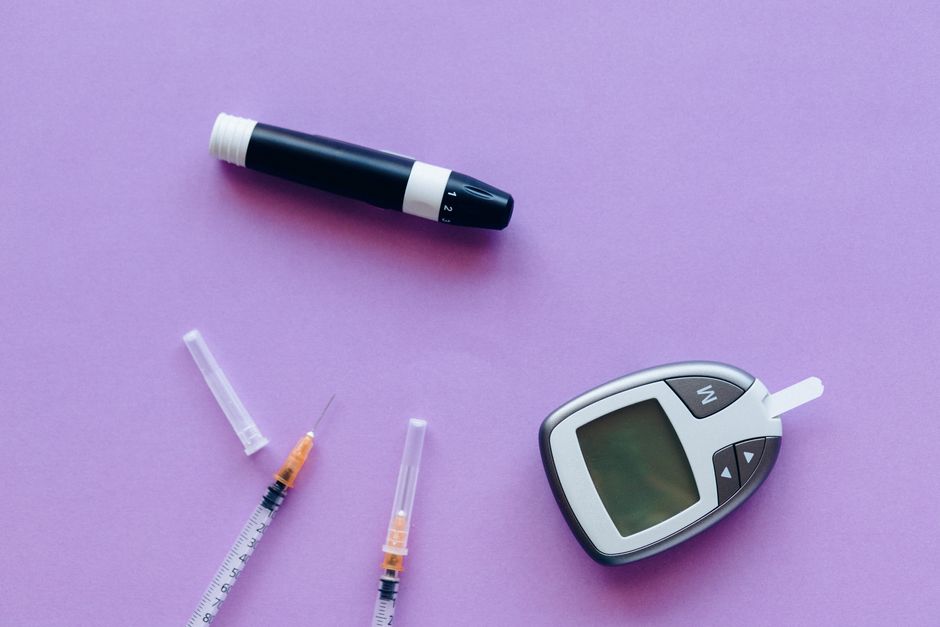
Most people expect to wake up in ketosis after three or four days of cutting carbs. Then day five arrives, they test their urine with a ketone strip, and it reads negative. Panic sets in. They google furiously, second-guess every meal, and sometimes quit before their body has had a real chance to make the shift. Sound familiar? The truth is that “how long does it take to enter ketosis” doesn’t have a single clean answer, and the range can genuinely surprise you: anywhere from 2 days to 2 weeks, depending on factors most beginner guides never mention.
What Actually Happens in Your Body Before Ketosis Kicks In
Ketosis isn’t a switch that flips. It’s a metabolic transition your body resists at first, because glucose is its preferred quick fuel.
When you cut carbohydrates below roughly 20 to 50 grams per day, your body doesn’t immediately start burning fat for energy. It burns through its stored glucose first. That stored glucose lives in your muscles and liver as glycogen, and a typical adult carries 400 to 500 grams of it. At around 4 calories per gram, that’s 1,600 to 2,000 calories of carbohydrate energy your body has to exhaust before it gets serious about fat metabolism.
Once glycogen stores drop low enough, the liver starts converting fatty acids into ketone bodies: beta-hydroxybutyrate, acetoacetate, and acetone. These molecules become the primary fuel for your brain and muscles. Blood ketone levels above 0.5 mmol/L are generally considered the entry point into nutritional ketosis, with 1.5 to 3.0 mmol/L being the sweet spot for fat adaptation and mental clarity that keto veterans often describe.
The reason this process takes days rather than hours is largely glycogen depletion. If you exercise, you’ll burn through glycogen faster. If you’ve been eating 300 grams of carbs a day and you stop cold turkey, it still takes time. The liver needs a signal, specifically low insulin and low glycogen, before it ramps up ketogenesis. Insulin is the key gatekeeper here: as long as it stays elevated from recent carb intake, the liver won’t produce significant ketones.
The Honest Timeline: What to Expect Day by Day
| Timeline | Ketone Status | Typical Experience | Key Variables |
|---|---|---|---|
| Days 1-2 | ~0 mmol/L | Blood sugar stabilizes; glycogen depletes; fatigue or cravings may appear | Carb intake baseline |
| Days 2-4 | Trace to small | Keto flu peaks; electrolyte shifts; headaches, brain fog common | Electrolyte management |
| Days 3-5 | 0.5+ mmol/L | Enter nutritional ketosis; urine strips show moderate to large | Activity level, insulin sensitivity |
| Days 5-10 | 0.5-3.0 mmol/L | Energy stabilizes; not yet fully fat-adapted | Metabolic health, protein intake |
| Weeks 3-8 | 1.5-3.0 mmol/L | Full fat adaptation; efficient ketone and fatty acid utilization | Consistency, duration |
Here’s what a typical transition looks like, assuming you’re eating 20 grams of net carbs per day or fewer.
Days 1 to 2: Blood sugar stabilizes lower than usual. Glycogen starts depleting. You might feel surprisingly fine, or you might notice fatigue and carb cravings already. Ketone levels are likely still near zero.
Days 2 to 4: This is when keto flu often peaks for people who don’t manage electrolytes. Glycogen depletion accelerates. The kidneys excrete sodium rapidly as insulin drops, pulling magnesium and potassium out with it. Headaches, brain fog, and irritability are common here. Urine ketone strips might start showing trace to small levels.
Days 3 to 5: For many people, especially those eating a moderate-carb diet before this, blood ketones cross 0.5 mmol/L somewhere in this window. Urine strips often show moderate or large at this point. You’re technically in nutritional ketosis now, though you’re not yet fat-adapted.
Days 5 to 10: If you started from a high-carb baseline, were insulin resistant, or have a larger body, ketosis may only solidify here. Energy starts stabilizing for most people.
Weeks 3 to 8: Full fat adaptation, where your muscles efficiently use ketones and fatty acids, takes considerably longer than initial ketosis. Don’t confuse the two.
I’ve seen competitive athletes enter measurable ketosis in 48 hours after fasting combined with exercise. I’ve also coached clients who didn’t register above 0.5 mmol/L until day 9 or 10, despite doing everything right. Both are normal.
The 5 Biggest Variables That Change Your Timeline
This is where the it-depends becomes genuinely useful instead of frustrating.
1. Your pre-keto carbohydrate intake. Someone eating 300 grams of carbs daily has twice the glycogen to burn through as someone eating 150 grams. The higher your starting point, the longer the depletion phase.
2. Your activity level. Moderate exercise, especially cardio or full-body strength training, burns glycogen directly and can cut 12 to 24 hours off your transition time. A 45-minute walk costs nothing and speeds the process.
3. Your total calorie intake. Eating at a calorie deficit means your body dips into stored fuel faster. Eating at maintenance or above on keto slows the glycogen burn slightly, though it still works.
4. Metabolic health and insulin sensitivity. People with insulin resistance, prediabetes, or type 2 diabetes often have higher baseline insulin levels and larger glycogen stores. Their liver takes longer to get the signal to start producing ketones. This doesn’t mean keto won’t work for them. It often works remarkably well. It just means the ramp-up can take closer to 10 to 14 days.
5. Protein intake. Protein can be converted to glucose through gluconeogenesis. If you’re eating 250 grams of protein a day while trying to enter ketosis, you’re giving your liver raw material to keep making sugar. Most keto protocols aim for 0.7 to 1.0 grams of protein per pound of lean body mass, not total body weight.
How to Speed Up Ketosis: A Step-by-Step Approach
If you want to get into ketosis as fast as safely possible, here’s a practical sequence that actually works.
Step 1: Drop to 20 grams of net carbs immediately. Don’t ease in. A gradual reduction prolongs glycogen depletion. Pull the bandage off.
Step 2: Do a 16 to 24 hour fast, or at minimum skip breakfast. Fasting depletes glycogen fastest. A single overnight fast extended to 16 to 18 hours can push blood ketones noticeably upward. Combined with low carb eating, it’s powerful.
Step 3: Add moderate-intensity exercise before breaking the fast. A 30 to 45 minute brisk walk or light resistance workout in the morning burns through remaining glycogen while insulin is already low. Don’t go to exhaustion. You want glycogen burning, not muscle breakdown.
Step 4: Salt your food aggressively and supplement electrolytes. As glycogen depletes, each gram releases about 3 grams of water along with sodium. That sodium loss pulls potassium and magnesium with it. Replacing electrolytes cuts keto flu symptoms dramatically and keeps you from quitting early. I’d pick a dedicated electrolyte supplement without added sugar over sports drinks. LMNT and similar no-sugar electrolyte packets are popular for exactly this reason. (This site may earn a small commission on qualifying purchases.)
Step 5: Add a tablespoon of MCT oil to your morning coffee or a meal. MCT oil (medium-chain triglycerides) is converted to ketones in the liver faster than long-chain fats from food. It won’t force your body into ketosis if glycogen is still high, but it raises circulating ketone levels and can make the transition feel smoother. C8 MCT oil is the most ketogenic fraction. Start with a teaspoon and work up to avoid digestive upset.
Step 6: Test, don’t guess. Urine strips are cheap and accessible. Blood ketone meters are more accurate and measure beta-hydroxybutyrate directly. Breath meters split the difference. Without testing, you’re flying blind, and a lot of people stall because they assume they’re in ketosis when hidden carbs have knocked them out.
How to Know You’re Actually in Ketosis
Sources
- LMNT and similar no-sugar electrolyte packets
- C8 MCT oil
- Blood ketone meters
- Keto-Mojo
- Nataliya Vaitkevich
Testing is reliable. Symptoms are less so.
The subjective signs people report: a metallic or slightly fruity taste in the mouth (from acetone exhaled through breath), decreased appetite and hunger, increased urine output in the early days, and a temporary dip in energy followed by a clear-headed calm around days 3 to 5. Some notice their urine smells different. But these aren’t specific to ketosis. Fatigue could be keto flu or just fatigue. Decreased appetite could be from eating more fat and protein.
For real confirmation:
| Testing Method | What It Measures | Accuracy | Cost |
|---|---|---|---|
| Urine strips | Acetoacetate | Low to moderate (varies by hydration) | Very low (~$10 for 100 strips) |
| Blood meter | Beta-hydroxybutyrate | High | Moderate (meter ~$30, strips ~$1 each) |
| Breath meter | Acetone | Moderate | High upfront (~$150 to $200) |
For a beginner, urine strips confirm you’ve entered ketosis initially. For anyone optimizing performance or troubleshooting a plateau, a blood meter like the Keto-Mojo is worth the investment.
Your timeline into ketosis is yours. It won’t look exactly like your friend’s or some influencer’s transformation post. What matters is that you’re measuring, adjusting, and giving your body enough time to make a real metabolic shift before drawing conclusions. Two weeks of honest, consistent effort is a fair test. Most people who “tried keto and it didn’t work” quit during the exact window when things were about to change.
Photo: Nataliya Vaitkevich via Pexels