 Mark Chen
You step on the scale three days into keto and see a number that seems almost impossible. Four pounds gone. Maybe five. Your jeans are looser. You feel lighter. Then week two arrives, and the scale barely moves. Was that first-week magic real, or were you just seeing things? Both, kind of. Understanding exactly what happened, and what comes next, is what separates people who succeed on keto long-term from people who quit in frustration.
Use this table to calibrate expectations and troubleshoot stalls at each keto phase-numbers are illustrative ranges for a typical adult in moderate caloric deficit.
| Phase | Timeframe | Typical Scale Loss | Actual Fat Loss | What's Really Happening | Red Flag If… |
|---|---|---|---|---|---|
| Glycogen Flush | Days 1-5 | 4-10 lbs | 0.5-1 lb | Depleting ~400-500g glycogen + 3× that in bound water; kidneys excreting sodium | Zero scale change (may indicate hidden carbs exceeding 50g/day) |
| Transition Stall | Days 6-14 | 0-2 lbs | 1-2 lbs | Water loss slows; fat adaptation beginning; possible water retention rebound | Gaining weight while tracking <20g carbs (check sodium, stress, sleep) |
| Steady Fat Loss | Weeks 3-12 | 1-2 lbs/week | 1-2 lbs/week | Ketosis established; scale now reflects mostly fat; appetite often suppressed | Less than 0.5 lb/week for 3+ weeks (reassess calorie intake) |
| Adaptation Plateau | Months 3-6 | 0.5-1 lb/week | 0.5-1 lb/week | Metabolic rate adjusts; closer to goal weight means smaller deficit | Complete stall 4+ weeks (consider diet break or macro recalculation) |
| Maintenance Approach | Month 6+ | 0-0.5 lb/week | 0-0.5 lb/week | Nearing set point; body composition changes may outpace scale | Obsessing over scale when measurements and photos show progress |
General information for comparison, confirm specifics for your situation.
What’s Actually Happening in the First Two Weeks
That dramatic early drop is real. But it’s not four pounds of fat. Not even close.
When you cut carbs below roughly 20-50 grams per day, your body torches through its glycogen stores, the glucose stashed in your liver and muscles. Here’s the thing most people miss: glycogen holds water at a ratio of about 3 grams of water per gram of glycogen. A well-fed adult stores around 400-500 grams of glycogen total. Do the math. That’s 1,200 to 1,500 grams of water, or roughly 2.5 to 3.5 pounds, released in the first few days just from glycogen depletion.
Add in the fact that low insulin levels cause your kidneys to dump more sodium and water, and you can easily lose 5 to 10 pounds in the first week. I’ve seen clients drop 8 pounds in seven days and none of it was eight pounds of fat. It was water, glycogen, and the inflammation that came with their old high-carb routine.
This doesn’t mean week one is pointless. It resets your baseline, kills the bloat, and triggers the hormonal shift toward fat burning. But if you calibrate your expectations correctly from day one, you’ll avoid a lot of unnecessary panic later.
The Real Fat Loss Rate on Keto
Once the water weight disappears, you’re looking at actual fat loss. The numbers get realistic fast.
A pound of body fat contains roughly 3,500 calories. On a well-structured keto diet with a moderate caloric deficit of around 500 calories per day, you’re looking at about one pound of fat per week. That’s not special to keto. That’s basic energy balance. Keto doesn’t break the laws of physics.
What keto can do is make that deficit easier to actually stick with. The research here is genuinely interesting. A 2021 review published in Obesity Reviews found that ketogenic diets significantly reduce appetite, likely through changes in hunger hormones like ghrelin and the appetite-suppressing effect of ketone bodies themselves. When you’re not white-knuckling hunger all day, sustaining a caloric deficit feels far less miserable.
In practice, I’ve seen clients lose anywhere from 0.5 to 2 pounds of fat per week on keto, depending on their starting weight, activity level, and how strictly they’re tracking. Heavier individuals often lose faster early on. Someone starting at 280 pounds can reasonably expect 1.5 to 2 pounds per week in the first few months. Someone who’s 30 pounds from their goal might see 0.5 to 0.75 pounds per week. That’s not failure. That’s how bodies work.
A food scale like the Etekcity Digital Kitchen Scale removes the guesswork from portion sizes. (This site may earn a commission on qualifying purchases.)
Why Your Rate of Loss Changes Over Time
Keto Diet: Does It Really Work for Weight Loss? · Doctor O'Donovan on YouTube
Most people expect a straight line downward. Weight loss doesn’t work that way on any diet, and keto is no exception.
Your metabolism adapts. As you lose weight, your body requires fewer calories to sustain that lower weight. A 220-pound person burns more calories at rest than a 180-pound version of the same person. So the deficit that was producing steady loss at first gradually shrinks, and weight loss slows. This is adaptive thermogenesis, and it’s your body doing exactly what it evolved to do.
Hormonal factors matter too. Thyroid function, cortisol levels, and sleep quality all influence how quickly you lose fat. Chronic stress alone can stall weight loss through elevated cortisol, which pushes your body toward storing fat, especially around the midsection.
Water retention from hormonal fluctuations, intense exercise, or eating more sodium than usual can also mask fat loss on the scale for days at a time. I can’t count how many clients have panicked over gaining two pounds after a brutal leg day. That’s muscle tissue holding water as it repairs. The fat loss was still happening underneath.
The fix for plateaus usually involves one of three things: recalculating your calorie target to reflect your current body weight, tightening up on hidden carbs that have snuck back in, or adding movement like a daily 20-minute walk. Sometimes the answer is just patience.
A Week of Realistic Keto Eating (With Actual Numbers)
Knowing what to eat matters more than any pep talk I could write. Here’s a realistic sample week with the macros spelled out.
Daily targets for a 170-pound woman aiming to lose 1 pound per week:
- Calories: approximately 1,600
- Net carbs: 20 grams or fewer
- Protein: 120-130 grams (about 0.7-0.8 grams per pound of body weight)
- Fat: the remainder, roughly 100-110 grams
Sample day:
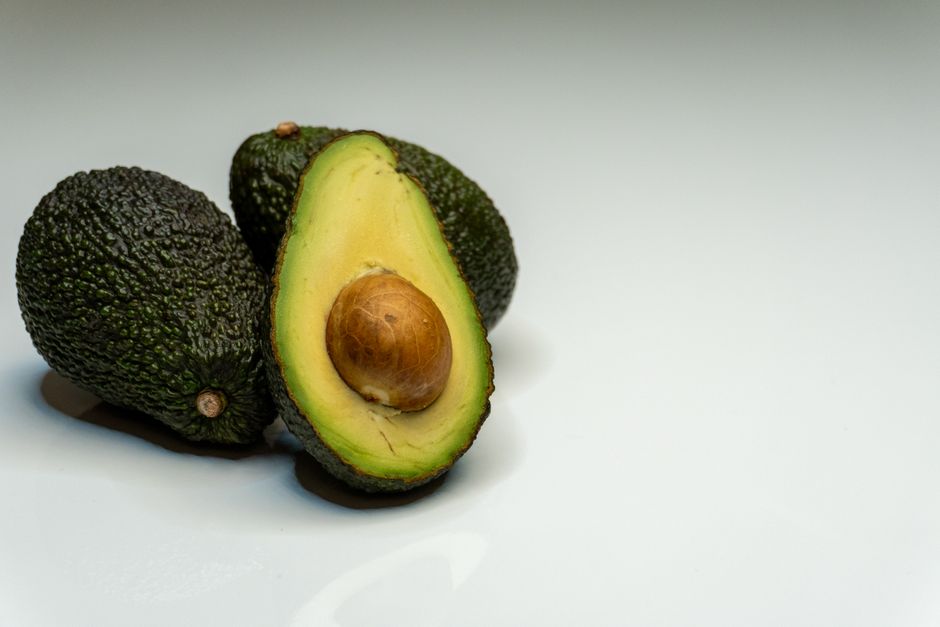
- Breakfast: Three eggs scrambled in butter with two strips of bacon and half an avocado. Around 550 calories, 2g net carbs, 32g protein, 44g fat.
- Lunch: Large romaine salad with 5 oz grilled chicken, olive oil and red wine vinegar, crumbled feta, and a handful of walnuts. Around 520 calories, 5g net carbs, 45g protein, 32g fat.
- Dinner: 6 oz salmon fillet with roasted broccoli and a side of cauliflower rice cooked in coconut oil. Around 510 calories, 7g net carbs, 45g protein, 28g fat.
- Total: ~1,580 calories, 14g net carbs, 122g protein, 104g fat.
That’s real food. No one’s suffering through plain chicken breast and sadness.
The Prep Naturals Glass Meal Prep Containers keep food fresh and make reheating easy without the plastic concerns.
The Role of Electrolytes in How You Feel (and Lose)
Here’s what trips up a lot of beginners. They’re losing water rapidly, but they don’t realize they’re also losing sodium, potassium, and magnesium. The result is the keto flu: headaches, fatigue, muscle cramps, brain fog, and the sinking feeling that keto is destroying you.
None of those symptoms are mandatory. They’re almost entirely preventable with proper electrolyte replacement.
What to aim for daily:
- Sodium: 2,000-4,000 mg (yes, that’s higher than standard recommendations, and it’s intentional on keto)
- Potassium: 1,000-3,500 mg
- Magnesium: 300-500 mg
Practical ways to hit these numbers: salt your food generously, drink bone broth, eat avocados and leafy greens for potassium, and consider a magnesium glycinate supplement at night. Many people find that a dedicated electrolyte supplement like LMNT Electrolytes covers everything without added sugar. (This site may earn a commission on qualifying purchases.)
Getting electrolytes right doesn’t just stop the symptoms. It actually supports weight loss by keeping your energy stable enough to stay active and sleep well, both of which matter enormously to fat loss over time.
Step-by-Step: How to Troubleshoot a Keto Weight Loss Stall
Sources
- Etekcity Digital Kitchen Scale
- Prep Naturals Glass Meal Prep Containers
- LMNT Electrolytes
- www.kaboompics.com
- here is genuinely interesting
Stalled for more than three to four weeks? Something needs to change. Here’s how to work through it systematically.
Step 1: Recount your carbs. Fire up a tracking app like Cronometer or Carb Manager and log everything you’ve eaten for three days. Look for hidden carbs in sauces, dressings, nut butters, and dairy. Many people are eating 40-60g net carbs without realizing it and can’t figure out why ketosis isn’t happening.
Step 2: Reassess your calorie target. If you’ve lost 15 or more pounds since you started, recalculate your maintenance calories at your current weight and reset your deficit. Use a TDEE calculator to start.
Step 3: Evaluate your protein intake. Too little protein and you lose muscle, which slows your metabolism. Too much protein can theoretically be converted to glucose through gluconeogenesis, though research suggests this rarely kicks people out of ketosis. Aim for 0.7 to 1.0 grams per pound of lean body mass.
Step 4: Audit your sleep and stress. Genuinely. If you’re sleeping under six hours or going through a stressful patch, cortisol is working against you. No macro adjustment fixes a cortisol problem.
Step 5: Add movement, don’t just add intensity. A hard gym session three times a week is great. But non-exercise activity thermogenesis (NEAT), the calories you burn walking around, fidgeting, doing chores, adds up enormously. Aim for 7,000-10,000 steps per day on top of whatever formal exercise you’re doing.
Step 6: Give it two more weeks before changing anything else. Stacking changes makes it impossible to know what worked. One adjustment, two weeks, then reassess.
Keto weight loss isn’t magic, and it isn’t a scam either. It’s a real physiological approach with a distinct mechanism, real advantages for appetite control, and some genuine learning curves around electrolytes, hidden carbs, and realistic expectations. If you came here discouraged because the scale stopped moving, know that a plateau at week four isn’t failure. Adjust one variable, give it time, and keep your protein up. The people who get lasting results on keto are almost never the ones who lost the fastest. They’re the ones who figured out how to make it work with their actual life.
Photo: www.kaboompics.com via Pexels