 Jake Torres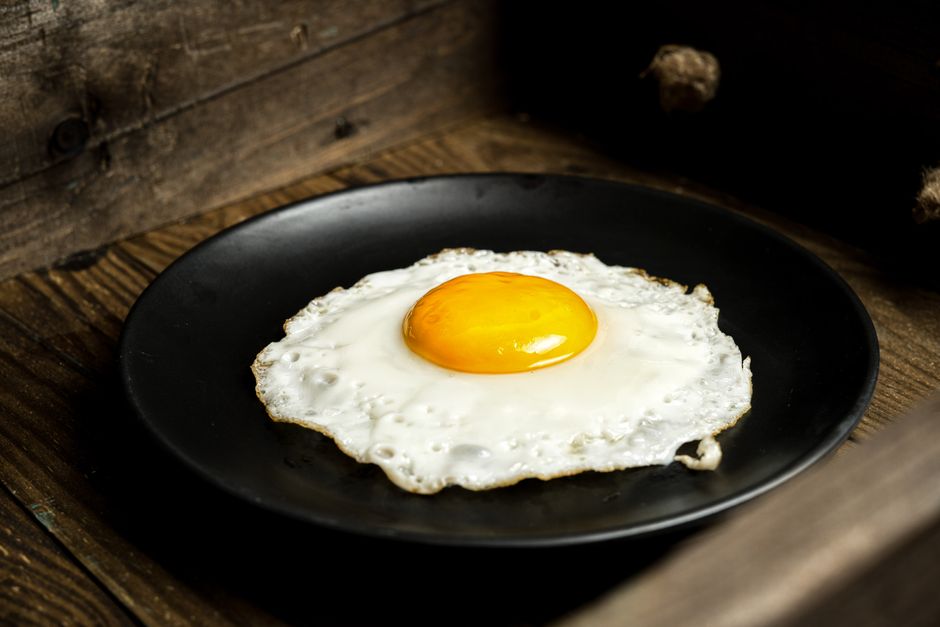
Most people start keto thinking they need to cut carbs, then figure out the fat part later. That’s backwards, and it causes a lot of unnecessary frustration.
Fat is the whole engine here. It’s what keeps you full, what your body burns in the absence of glucose, and what prevents the miserable, spacey feeling that makes people quit in week two. Getting the fat right isn’t a detail you optimize once the diet is “working.” It’s the prerequisite.
So let’s talk about which foods actually deliver, what I’ve seen work for real clients with real schedules, and where the keto food industry has oversold some things that don’t deserve the hype.
This table shows fat grams, fat types, and net carbs per typical serving to help you plan meals that hit your macros.
| Food | Serving | Total Fat (g) | Saturated (g) | Mono/Poly (g) | Net Carbs (g) |
|---|---|---|---|---|---|
| Ribeye steak | 6 oz cooked | 28 | 11 | 14 | 0 |
| Chicken thigh (skin-on) | 4 oz cooked | 14 | 4 | 8 | 0 |
| Whole eggs | 2 large | 10 | 3 | 5 | 1 |
| Avocado (Hass) | 1 medium | 21 | 3 | 16 | 3 |
| Salmon (Atlantic) | 4 oz cooked | 12 | 2 | 7 | 0 |
| Bacon | 3 slices | 9 | 3 | 5 | 0 |
| Macadamia nuts | 1 oz (10-12 nuts) | 21 | 3 | 17 | 2 |
| Cheddar cheese | 1 oz | 9 | 6 | 3 | 0.4 |
| Olive oil (extra virgin) | 1 tbsp | 14 | 2 | 11 | 0 |
| Coconut oil | 1 tbsp | 14 | 12 | 1 | 0 |
| Heavy cream | 2 tbsp | 11 | 7 | 3 | 0.8 |
| Pork belly | 3 oz cooked | 25 | 9 | 13 | 0 |
General information for comparison, confirm specifics for your situation.
The Everyday Workhorses (And Why They’re So Good)
Eggs get mentioned in every keto article, and there’s a reason. One large egg delivers about 5 grams of fat, 6 grams of protein, basically zero carbs, and a nutrient density that crushes its cost. Whole eggs, not egg whites. The yolk is where almost all the fat and most of the actual nutrition lives. I’ve watched so many clients automatically order egg white omelets out of pure habit, then get hungry an hour later and can’t figure out why.
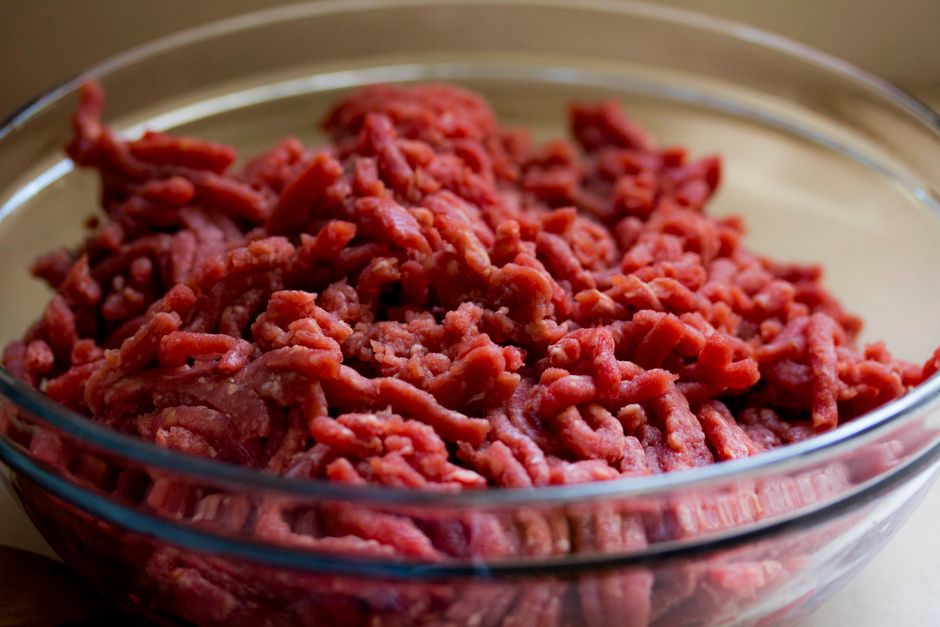
Fatty cuts of meat are your other anchor. Ribeye over sirloin. Chicken thighs over chicken breast. Lamb shoulder over lamb loin. Both matter, for satiety and for flavor, which actually matters more than people admit because a diet that tastes like cardboard doesn’t stick around. When you’re at the grocery store, don’t let the “health food” instinct pull you toward lean. Lean doesn’t work here.
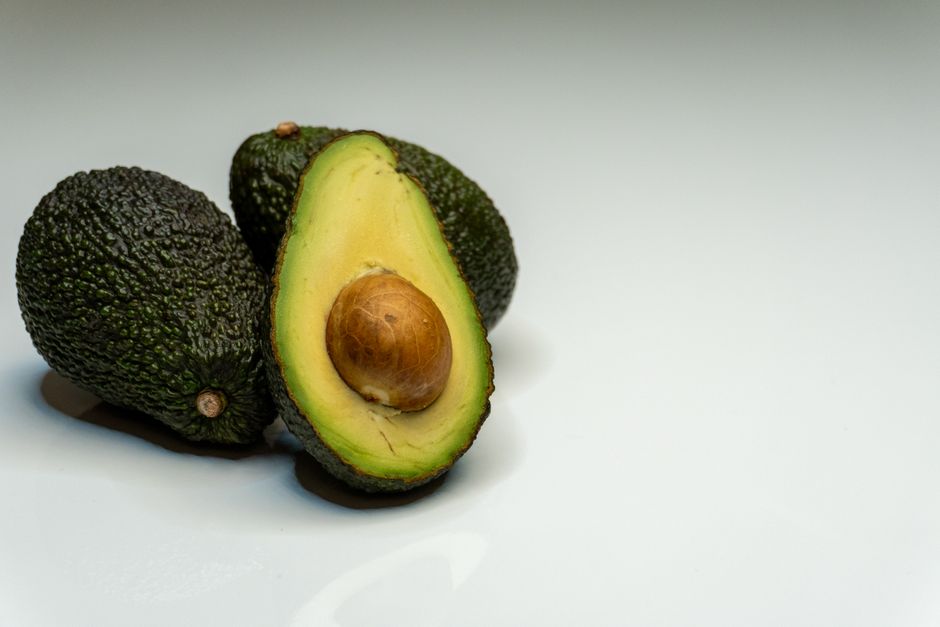
Avocados are genuinely one of the best high-fat foods on keto, but I want to be specific about this. One medium Hass avocado has around 21 grams of fat, mostly monounsaturated, plus about 9 grams of fiber. It’s filling in a different way than animal fat fills you, and the potassium helps replace electrolytes you lose on low-carb eating. If you’re cramping or feeling worn down in early keto, avocados aren’t just a food choice, they’re part of the actual fix.
Fat Sources Worth Paying More For (And A Few That Aren’t)
Olive oil. Real, high-quality extra virgin olive oil, used generously on vegetables, meat, eggs, everything. This is where I’d tell you to spend a little more. California Olive Ranch is consistently good and costs $12 to $15 for a 500ml bottle at most grocery stores. A lot of the cheaper imported stuff has been adulterated or sits oxidized on shelves for too long. The fat profile matters, and so does the fact that you’ll actually want to eat it.
Coconut oil and MCT oil get lumped together in keto marketing, but they’re not the same thing. MCT oil, which you can find as Bulletproof Brain Octane or similar products, is concentrated medium-chain triglycerides, mostly caprylic acid (C8), which your body converts to ketones faster than almost any other fat. It’s genuinely useful in coffee or a smoothie, especially when you’re still adjusting. But it’s not magic, it can wreck your digestion if you start too fast (teaspoon at a time, seriously), and the $40-plus price tag for premium versions doesn’t actually beat cheaper C8 options that do the same thing.
Full-fat dairy deserves careful thought. Heavy cream, butter, aged cheeses, full-fat sour cream, Greek yogurt: they work well for most people on keto and pack calories in a useful way. But cheese is dangerously easy to overeat, and it has enough protein and calories to slow fat loss if you’re eating 4 to 6 ounces at every meal. I’m not saying treat it like poison, just pay attention to portions.
Here’s where I push back on keto marketing: a lot of packaged keto snacks, bars like Perfect Keto or RXBAR Keto, fat bombs, “keto fat” products. Some are fine in a bind, but they’re engineered to taste good enough that you eat past full. Whole food fat sources keep you satisfied in a more straightforward way.
The Vegetables That Carry Fat Beautifully
The 10 Best Zero Carb Foods (that make keto easy) · Dr Dan Maggs on YouTube
This is a section most keto articles skip, and they shouldn’t.
“High-fat vegetables” isn’t really a category, but certain vegetables become exceptional when paired with fat and make keto actually sustainable past week four. Roasted broccoli with olive oil and parmesan. Sautéed spinach with butter and garlic. Cauliflower roasted until the edges char, then finished with cream and cheddar. These preparations are what separate a keto diet you can stick with from one that feels like punishment. Fat absorption into fibrous vegetables also slows digestion and keeps hunger away for hours.
Zucchini, asparagus, Brussels sprouts, green beans, cabbage. All low in net carbs, all excellent with generous fat. The cooking method genuinely changes everything. Steamed broccoli eaten plain is a completely different experience from roasting it with two tablespoons of olive oil at 425°F until the edges blacken a little. Learn to cook vegetables in fat, not just add fat afterward.
Practical Assembly: What a Day Actually Looks Like
Sources
You might be wondering how to actually do this without spending an hour cooking every meal. Here’s what I tell people when they’re getting started.
Breakfast doesn’t demand effort. Three eggs scrambled in a tablespoon of butter, half an avocado, and coffee with a splash of heavy cream gets you to 35+ grams of fat before 9am. That’s not a special occasion meal. It’s a ten-minute routine.
Lunch is where leftovers pay off. A decent kitchen scale (the Ozeri Pronto costs about $12 and is accurate enough for daily tracking) helps you portion protein without getting obsessive about macros. Batch-cook a fatty cut on Sunday, like a bone-in pork shoulder or chuck roast, and you’ve got multiple meals built with zero weekday cooking.
Dinner is the meal most people nail anyway, because it’s the one they actually plan. Salmon with butter and capers. A ribeye with roasted asparagus. Chicken thighs braised in cream. These aren’t complicated. They’re just protein plus quality fat plus a low-carb vegetable.
Electrolytes matter here too, because fat-heavy eating changes how your body handles electrolytes in ways standard keto guides underplay. When insulin drops, your kidneys dump sodium, and magnesium and potassium tend to follow. LMNT works, or just salt your food heavily and eat enough avocado and leafy greens. (Note: this site may earn a commission on Amazon purchases.)
The best high-fat keto foods are also usually the least processed and the most recognizable: eggs, fatty meat, olive oil, avocado, full-fat dairy, oily fish. Not complicated. The work is in making them something you actually want to eat, which is really just cooking, and that’s solvable.
Photo: Mithul Varshan via Pexels
This article is for general informational purposes only and does not constitute medical or dietary advice. Always consult a licensed healthcare provider or registered dietitian before making significant changes to your diet, especially if you have a medical condition.