 Diana Walsh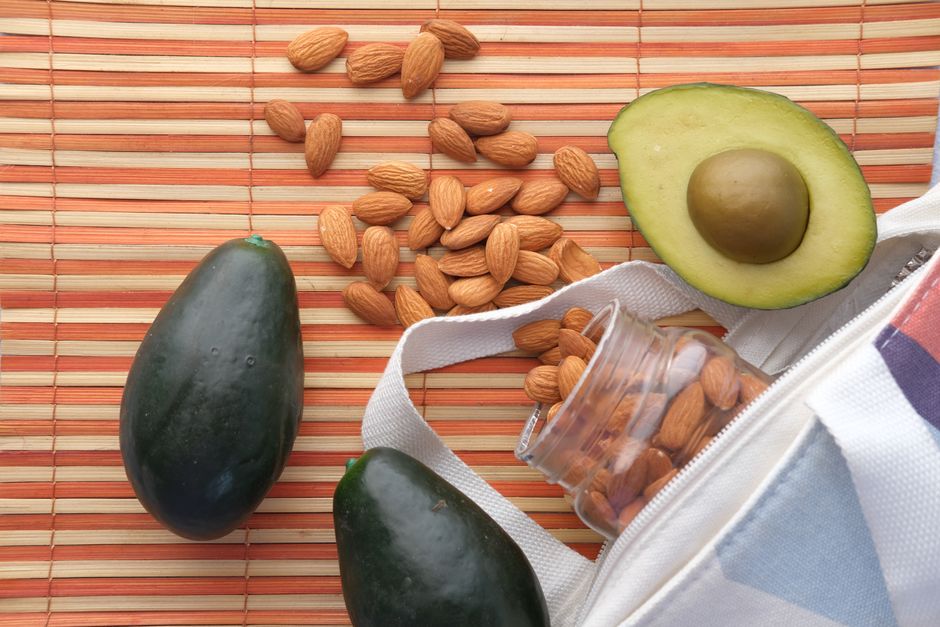
You followed the meal plan perfectly. Skipped the bread, passed on dessert, even turned down your coworker’s birthday cake. But the scale hasn’t budged in two weeks. So what’s going wrong?
Nine times out of ten, when I look at someone’s food diary, the culprit is something that sounds healthy or low-carb but is quietly pushing them over their carbohydrate limit. The foods that knock people out of ketosis aren’t always obvious. Some of them are sitting in your fridge right now.
The Carb Budget: Why Even Small Amounts Matter
| Food | Serving Size | Net Carbs (g) |
|---|---|---|
| Whole wheat bread | 1 slice | 12-15 |
| Brown rice | 1 cup cooked | 40 |
| Quinoa | 1 cup cooked | 34 |
| Medium baked potato | 1 medium | 33 |
| Medium banana | 1 medium | 24 |
| Grapes | 1 cup | 26 |
| Mango | 1 medium | ~50 |
| Orange juice | 8 oz | 26 |
| Raspberries | ½ cup | 5-7 |
| Blackberries | ½ cup | 5-7 |
| Strawberries | ½ cup | 8-9 |
| Blueberries | ½ cup | 9 |
| Avocado | ½ avocado | 2 |
| Ketchup | 1 tbsp | 4 |
| Teriyaki sauce | 2 tbsp | 10-15 |
| Skim milk | 1 cup | 12 |
| Flavored yogurt | 1 serving | 20-30 |
| Greek yogurt (full-fat) | ½ cup | 6-7 |
| Oat milk | 1 cup | 16 |
| Unsweetened almond milk | 1 cup | 1-2 |
| Black beans | 1 cup cooked | 26 |
| Edamame | 1 cup in pod | 11 |
| Beer | 1 can | 12-15 |
| Sweet wine (Riesling/Moscato) | 1 glass | 5-10 |
| Margarita mix | standard serving | 25 |
Let’s start with the rule. A standard ketogenic diet keeps net carbohydrates between 20 and 50 grams per day. Net carbs are total carbs minus fiber (and for some people, sugar alcohols). Your body doesn’t store much glucose, so once you hit your threshold, insulin rises, ketone production slows, and you’re running on carbs instead of fat.
This is why portion size matters so much on keto. Two tablespoons of peanut butter? Fine. Half a jar? That’s 30 grams of carbs. Your day’s done.
The whole point of this list isn’t to scare you. It’s to show you where your carbs are actually hiding, because the surprises are what derail people.
Grains, Starches, and the “Whole Grain” Trap
White bread, pasta, oatmeal, tortillas, quinoa, those are obviously off the table. But the “whole grain” marketing catches a lot of people.
A slice of whole wheat bread still has 12 to 15 grams of net carbs. Brown rice hits around 40 grams per cooked cup. Quinoa, which gets praised as a superfood? About 34 grams of net carbs per cooked cup. These foods are nutritious in plenty of contexts. On keto, they’ll demolish your daily budget in one serving.
Starchy vegetables are the same problem: white potatoes, sweet potatoes, corn, parsnips, beets. All of them clock in at 15 grams of net carbs or more per serving. A medium baked potato is roughly 33 grams on its own.
The fix is simple. Cauliflower rice, zucchini noodles, and cabbage slaws replace the texture and volume without the carb hit. If you’re cooking for a family that doesn’t eat keto, just swap out your portion.
Fruit: Nature’s Candy Is Still Candy
What Can You Eat on a Low Carb Diet? (Full Food List) · Dr. Becky Gillaspy on YouTube
Fruit trips up well-meaning people. It’s natural, it’s vitamins, it’s fiber. But fructose is still sugar, and the carb counts in most fruit are too high for ketosis.
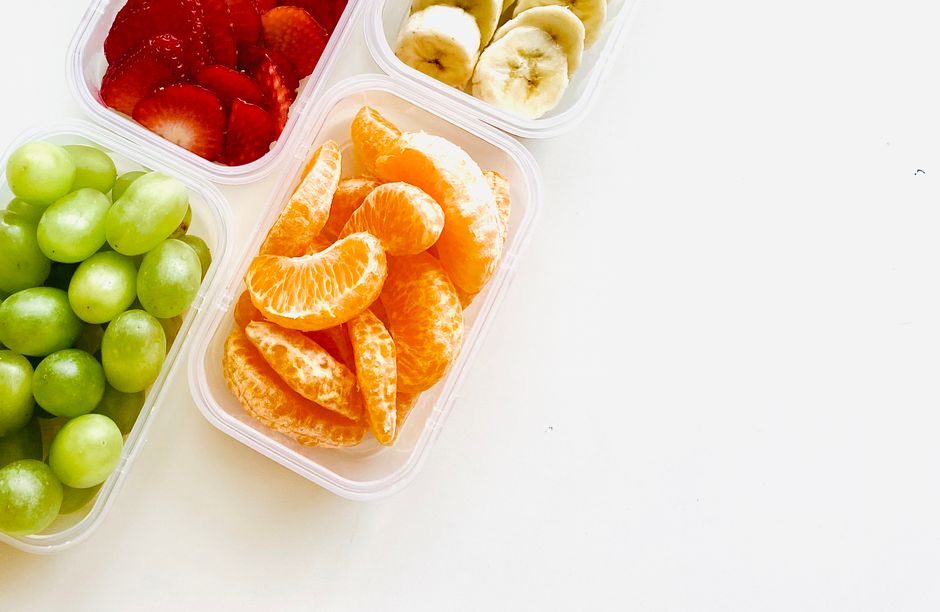
A medium banana has 24 grams of net carbs. A cup of grapes has about 26 grams. A mango? Close to 50 grams. Fruit juice is worse because the fiber is stripped out and the sugar is concentrated. Eight ounces of orange juice has 26 grams of carbs and won’t keep you full.
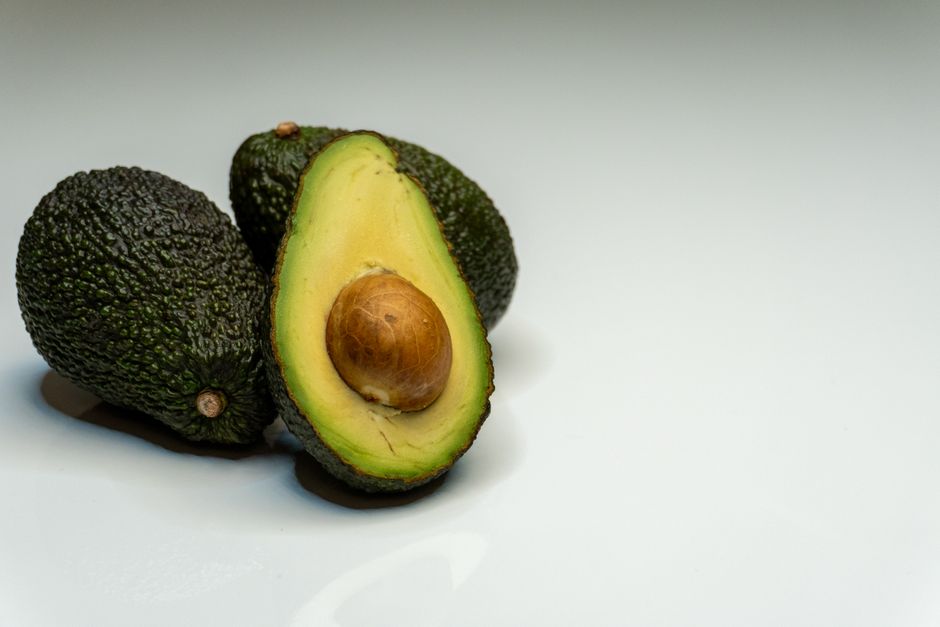
Here’s what works: berries in moderate amounts are keto’s exception. Raspberries and blackberries run about 5 to 7 grams of net carbs per half-cup serving. Strawberries are slightly higher at 8 to 9 grams per half cup. Blueberries are the carb-densest at about 9 grams per half cup, so portion size matters. Avocados are technically fruit and practically a keto staple at 2 grams of net carbs per half avocado.
Think of berries as a condiment-level addition to your diet, not a bowl you eat freely.
Sugar and Its Many Disguises
High-fructose corn syrup, maltose, dextrose, brown rice syrup, evaporated cane juice, agave nectar, honey, maple syrup. All sugar in different outfits. All spike blood glucose.
The sneaky zone is where you’d never expect it. Condiments are a huge source of hidden carbs. Ketchup has 4 grams of net carbs per tablespoon, and most people use way more than that. Teriyaki sauce, barbecue sauce, sweet chili sauce, and most store-bought stir-fry sauces run 10 to 15 grams of carbs per two-tablespoon serving. Even some hot sauces have added sugar.
Salad dressings are a trap. Fat-free or “light” versions compensate for removed fat by adding sugar. Creamy full-fat dressings like ranch or Caesar are usually fine. Flip the bottle and check the label before you pour.
Protein bars need their own warning. Many marked as low-sugar contain maltitol, a sugar alcohol that still raises blood glucose significantly in most people. Brands like Quest use erythritol and soluble corn fiber with much lower glycemic impact, but reading the ingredient list is mandatory.
A good kitchen scale and the habit of reading nutrition labels will save you more headaches than any meal plan. A digital kitchen scale that measures in grams costs under $15 and eliminates guesswork.
Legumes, Dairy Pitfalls, and “Healthy” Foods That Add Up
Legumes confuse keto beginners because they contain fiber and protein. But black beans, chickpeas, lentils, kidney beans, edamame, all carry significant net carbs. A cup of cooked black beans has about 26 grams of net carbs. Even edamame, which feels like a protein snack, runs around 11 grams of net carbs per cup in the pod.
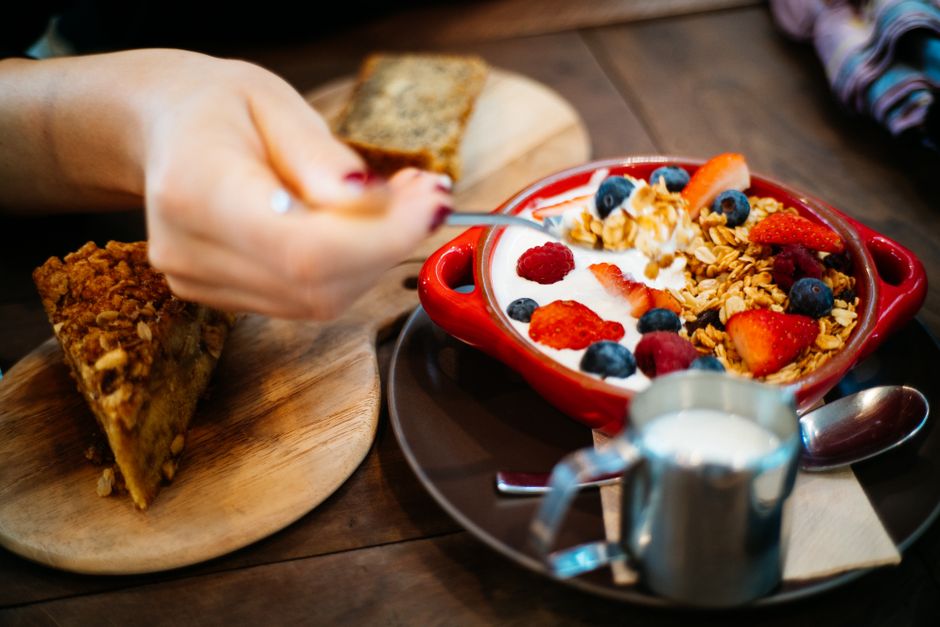
Dairy is trickier. Full-fat dairy like butter, heavy cream, and aged hard cheeses is generally keto-friendly because lactose content is low. Where it becomes a problem is the sweeter, lower-fat versions. Milk, low-fat yogurt, flavored yogurt, ice cream, all high in carbs. A cup of skim milk has about 12 grams of carbs. A single serving of flavored yogurt can carry 20 to 30 grams. Even plain yogurt needs careful portioning: full-fat Greek yogurt can be used in small amounts (half a cup has about 6 to 7 grams of net carbs), but it adds up fast if you’re eating large bowls.
Soy milk and oat milk are frequently promoted as healthy dairy alternatives. Oat milk is particularly problematic on keto: one cup has about 16 grams of net carbs. Unsweetened almond milk at 1 to 2 grams per cup is far better.
Alcohol, Beverages, and the Liquid Carb Problem
Liquid carbs are easy to overlook because they don’t trigger fullness. Regular beer averages 12 to 15 grams of carbs per can. A glass of sweet wine like Riesling or Moscato runs 5 to 10 grams. Margaritas, daiquiris, mixed drinks are loaded with sugar. A standard margarita mix hits 25 grams of carbs before the tequila.
If you drink on keto, stick to dry wines (under 5 grams per glass), spirits like vodka, tequila, and whiskey (essentially zero carbs), and light beers like Michelob Ultra at 2.6 grams per can. The catch is that alcohol still slows fat burning and intensifies dehydration, which matters because keto already depletes electrolytes faster than a standard diet. Keeping electrolyte supplements on hand isn’t optional for most people serious about keto.
Non-alcoholic beverages aren’t innocent either. Fruit juices, sweetened iced teas, sports drinks, chain-cafe flavored coffees (a medium Frappuccino can contain 50 grams of carbs), sodas, all carb-dense liquids that won’t fill you up. Black coffee, plain tea, sparkling water, water with electrolytes. Those are your options.
A Quick-Reference: Common Foods Ranked by Keto-Friendliness
Sources
| Food | Net Carbs (typical serving) | Keto-Friendly? |
|---|---|---|
| Banana (1 medium) | 24g | No |
| White rice (1 cup cooked) | 44g | No |
| Black beans (1 cup cooked) | 26g | No |
| Sweet potato (1 medium) | 24g | No |
| Oat milk (1 cup) | 16g | No |
| Plain Greek yogurt, full fat (½ cup) | 6g | Use sparingly |
| Raspberries (½ cup) | 5g | Yes, in moderation |
| Avocado (½ medium) | 2g | Yes |
| Cheddar cheese (1 oz) | 0.4g | Yes |
| Spinach (1 cup raw) | 0.4g | Yes |
| Chicken thigh (4 oz) | 0g | Yes |
| Butter (1 tbsp) | 0g | Yes |
Keto works when you’re honest about what’s going in your mouth. Not punishing yourself, not obsessing. Just paying attention. The foods on this list aren’t forbidden in a moral sense. They just don’t fit the metabolic goal you’re working toward right now. Once you know where the hidden carbs live, grocery shopping gets easier, eating out gets less stressful, and those two-week plateaus start making sense. The information is the shortcut.
Photo: Towfiqu barbhuiya via Pexels