 Ryan Park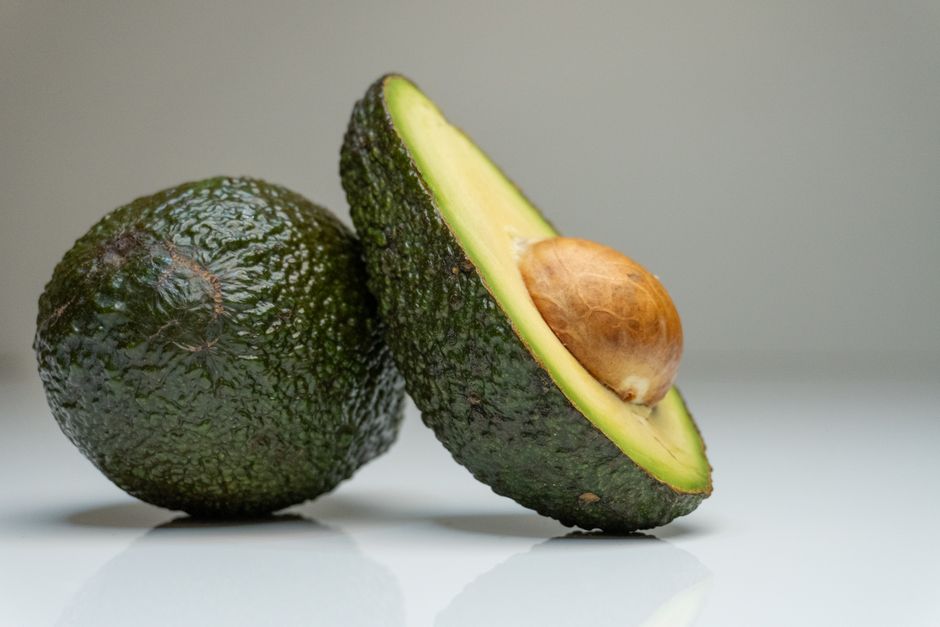
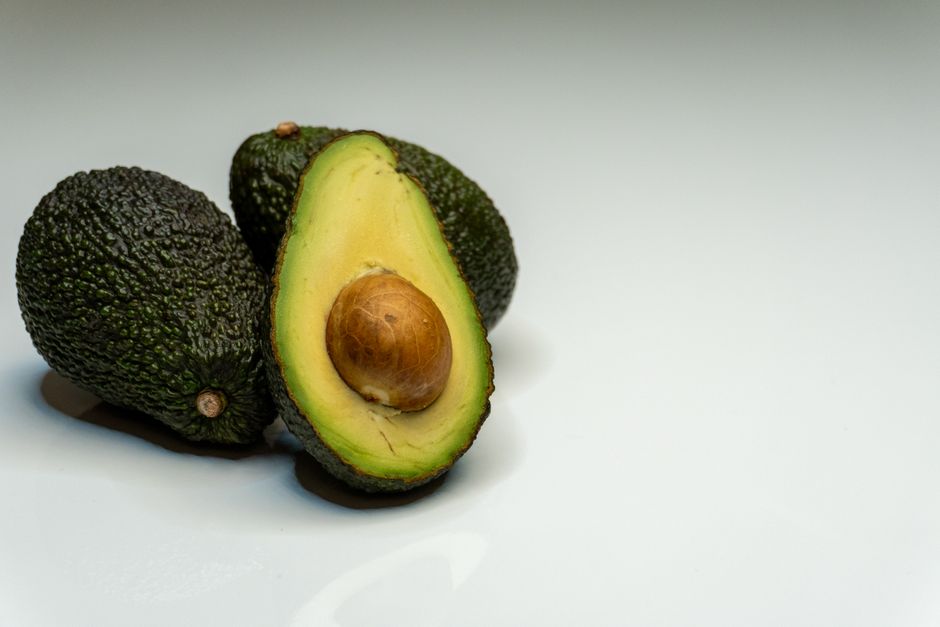
Most people think cutting carbs means chicken breast and iceberg lettuce until they’re miserable. Then they find out avocado exists, bacon is allowed, and heavy cream goes in coffee. Suddenly the whole thing looks edible. A well-stocked keto kitchen is actually surprisingly abundant. The problem is nobody tells you where the lines are drawn, so you either stall out or quit after eating one banana and deciding the diet’s impossible. Let’s fix that with a real breakdown of what you can eat, why it works, and how to actually cook it.
The Core Logic: Fat Burns When Carbs Are Gone
Before the food list makes sense, you need the one rule behind all of it. Your body defaults to burning glucose from carbohydrates. When you drop carbs low enough, typically under 20 to 50 grams of net carbs per day, your liver starts converting fat into ketone bodies. Those ketones become your primary fuel. That’s ketosis, and the entire food framework is built around staying there.
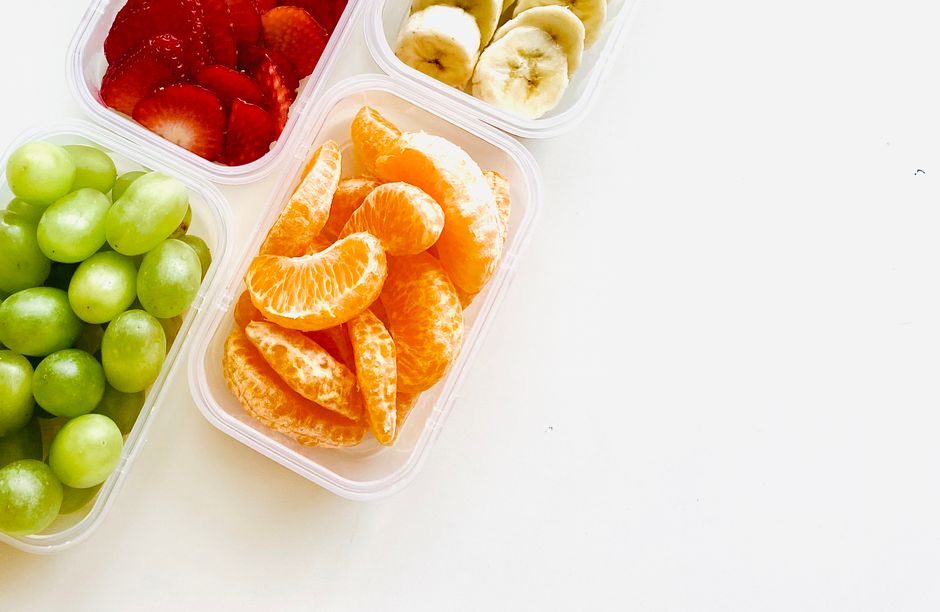
Net carbs are total carbohydrates minus fiber and, in some calculations, sugar alcohols. Fiber doesn’t raise blood glucose meaningfully because you can’t digest it, so it doesn’t count against your daily limit. A cup of raw spinach has about 1 gram of net carbs. A medium banana has around 24 grams. That’s the difference between fitting your meals and blowing your budget before lunch.
The macronutrient split most people target is roughly 70 to 75 percent of calories from fat, 20 to 25 percent from protein, and 5 percent or less from carbohydrates. You don’t need to hit these numbers perfectly every single day. But understanding them explains why fatty cuts of meat and oil-dressed salads make sense while fruit juice and whole-grain bread don’t.
Fats and Oils: The Foundation of Your Plate
Fat isn’t a condiment on keto. It’s the main event. Your goal is making fat the dominant calorie source, which means cooking with it generously and adding it to meals intentionally.
The best options:
- Butter and ghee: Real, full-fat butter is one of the most versatile keto staples. Ghee (clarified butter) has a higher smoke point and is great for searing.
- Extra-virgin olive oil: Rich in oleic acid and polyphenols, ideal for dressings and low-heat cooking.
- Coconut oil: Contains medium-chain triglycerides (MCTs), which convert to ketones more efficiently than long-chain fats. If you want a concentrated version, MCT oil can be added to coffee or shakes. (This site may earn a commission on qualifying purchases.)
- Avocado oil: High smoke point, neutral flavor, excellent for roasting at 400°F and above.
- Lard and tallow: Rendered animal fats that were unfairly demonized for decades. They’re stable at high heat and delicious.
- Heavy whipping cream: About 0.4 grams of net carbs per tablespoon. Goes in coffee, soups, and sauces without hesitation.
- Full-fat coconut cream: The canned variety, not coconut milk beverage. Great for curries and fat bombs.
Avoid margarine, most vegetable and seed oils (soybean, corn, canola, sunflower), and anything labeled “fat-free” since those products replace fat with sugar or starch.
Proteins: Quality Over Quantity
What Can You Eat on a Low Carb Diet? (Full Food List) · Dr. Becky Gillaspy on YouTube
Protein on keto is moderate, not unlimited. This surprises people. Excess protein can theoretically convert to glucose through gluconeogenesis, though how much this kicks you out of ketosis varies considerably by person. A reasonable target for most people is 0.6 to 1.0 grams of protein per pound of lean body mass per day.
Meat and poultry:
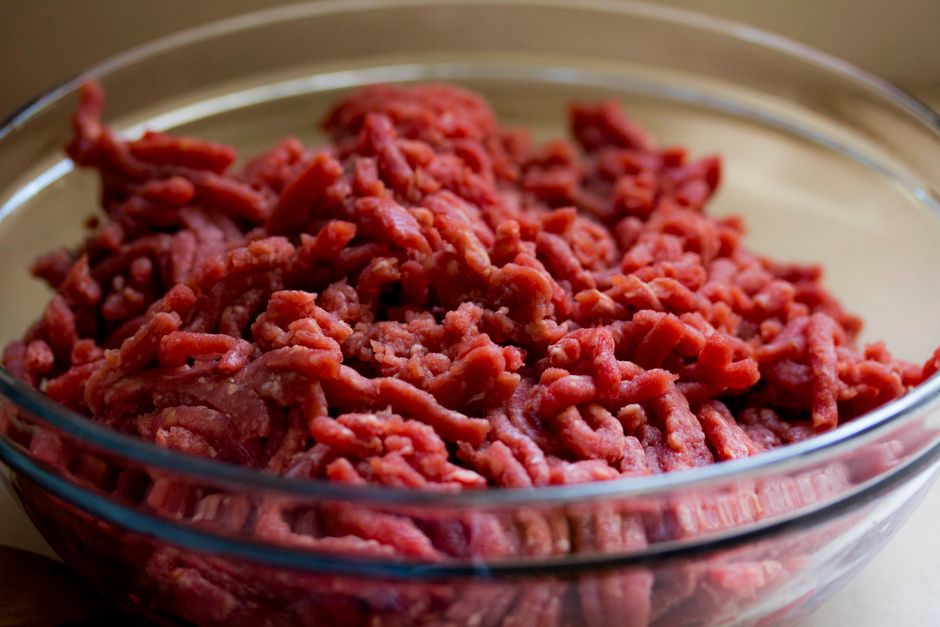
Fatty cuts are your friends here. Ribeye over sirloin. Chicken thighs over chicken breast. Pork belly, lamb chops, duck legs. Ground beef at 80/20 fat ratio is both cheaper and more keto-appropriate than the extra-lean stuff. Processed meats like bacon, sausage, and salami are fine, but read labels. Many commercial sausages and cured meats sneak in dextrose, corn syrup, or other fillers. Aim for products with under 1 gram of carbs per serving.
Seafood:
Almost all fish and shellfish work well on keto. Salmon is particularly good because it’s naturally fatty. Sardines, mackerel, and anchovies pack omega-3s and are budget-friendly. Shrimp, scallops, crab, and lobster are low in carbs, though shrimp has a small amount (about 1 gram per 3-ounce serving), so portion accordingly if you’re eating a lot of it.
Eggs:
Eggs might be the single most useful keto food. Each large egg has about 0.4 grams of net carbs, 6 grams of protein, and 5 grams of fat. They’re fast, cheap, versatile, and filling. Scrambled in butter, fried in bacon fat, hard-boiled for meal prep, or turned into egg salad with mayo. I’ve seen clients eat eggs for breakfast every single day and never get bored because there are so many ways to prepare them.
Dairy:
Full-fat versions only. Cheese (cheddar, brie, gouda, mozzarella, parmesan), full-fat Greek yogurt in small amounts, cream cheese, sour cream, and cottage cheese in moderation. Avoid milk (12 grams of carbs per cup) and most flavored yogurts.
Vegetables: Which Ones Make the Cut
| Food | Net Carbs | Notes |
|---|---|---|
| Large egg | 0.4g | Per egg; 6g protein, 5g fat |
| Raw spinach | 1g | Per cup |
| Medium banana | 24g | Per fruit |
| Milk | 12g | Per cup |
| Shrimp | 1g | Per 3-ounce serving |
| Heavy whipping cream | 0.4g | Per tablespoon |
| Tomatoes | 3g | Per half cup, net carbs |
| Raw spinach | ~1g | Per cup |
This is where a lot of beginners stumble. Not all vegetables are equal, and some that seem healthy, like peas, corn, and sweet potatoes, will use up your daily carb budget in a single small serving.
The rule of thumb: vegetables that grow above the ground tend to be lower in carbs. Vegetables that grow underground tend to store energy as starch, which means higher carbs.
Freely eat:
- Leafy greens: spinach, arugula, romaine, kale, chard
- Cruciferous vegetables: broccoli, cauliflower, Brussels sprouts, cabbage, bok choy
- Zucchini, cucumber, celery, asparagus, green beans
- Bell peppers (especially green ones, which are less ripe and lower in sugar)
- Mushrooms
- Onions and garlic in small amounts as flavoring
Eat with awareness:
- Tomatoes: about 3 grams net carbs per half cup, totally fine in moderation
- Carrots: higher in sugar, okay occasionally but not freely
- Beets, parsnips, butternut squash: these add up fast
Avoid or treat as rare occasions:
- Potatoes, sweet potatoes, yams
- Corn
- Peas and legumes
- Plantains
Cauliflower deserves special mention because it’s become the great keto substitute. Riced cauliflower replaces rice. Mashed cauliflower replaces mashed potatoes. Cauliflower pizza crust replaces… well, you get it. It’s not identical to the real thing, but it makes the transition dramatically easier.
A Practical Day of Keto Eating
Here’s what a real, balanced keto day looks like. Not a magazine fantasy, but something an actual person can cook.
| Meal | What It Is | Approx. Net Carbs |
|---|---|---|
| Breakfast | 3 eggs scrambled in butter with sautéed spinach and 2 strips of bacon | 1-2g |
| Lunch | Romaine salad with grilled chicken thigh, avocado, cucumber, olive oil, and lemon juice | 4-5g |
| Snack | 1 oz cheddar + 10 olives | 1g |
| Dinner | Pan-seared salmon with roasted broccoli in avocado oil and garlic butter | 5-6g |
| Dessert (optional) | 2 tbsp full-fat cream cheese whipped with a few drops of vanilla extract | 1g |
| Total | ~12-15g net carbs |
That’s well within the 20 to 50 gram range, satisfying, and genuinely delicious. Nothing requires specialty keto products or expensive supplements.
For meal prep, the biggest lever you can pull is portioning and organizing ahead of time. A good kitchen scale takes the guesswork out of tracking fat and protein. Prepping proteins and chopping vegetables on Sunday means you’re not standing in front of an open fridge at 7 p.m. making bad decisions. (This site may earn a commission on qualifying purchases.)
Drinks, Condiments, and Sneaky Carb Sources
Sources
Beverages are a quiet carb trap. Water is always the right answer. Coffee and tea are fine, black or with heavy cream. Sparkling water is great. Diet sodas are technically zero carbs, but artificial sweeteners affect some people’s insulin response and cravings, so they’re worth experimenting with rather than assuming they’re neutral.
Alcohol is complicated. Dry wine (about 2 to 4 grams per 5-ounce pour) and spirits like whiskey, vodka, gin, and tequila are the lowest-carb options. Beer, cider, and cocktails with juice or soda are mostly off the table. Alcohol also pauses fat burning temporarily because your liver prioritizes metabolizing ethanol. It doesn’t permanently kick you out of ketosis, but it does slow things down.
Condiments to watch:
- Ketchup: 4 grams of net carbs per tablespoon. Easy to overdo.
- Barbecue sauce: often 10 to 15 grams per serving. Avoid or use sparingly.
- Mustard: typically 0 grams. Use freely.
- Mayo: 0 to 1 gram. Great on keto.
- Hot sauce: check labels, but most are very low.
- Soy sauce: 1 gram per tablespoon. Fine in moderation.
- Teriyaki, hoisin, and sweet chili sauces: skip them or make homemade versions.
One area I always flag with new clients: salad dressings. “Low-fat” dressings are often loaded with sugar to compensate for flavor. Full-fat ranch, Caesar, and blue cheese dressings are usually better keto choices than their low-fat counterparts. Always check the label.
The foods allowed on keto aren’t a restricted, joyless list. They’re a framework that, once you internalize it, makes grocery shopping and cooking feel intuitive rather than stressful. Start with the staples: eggs, fatty meat, leafy greens, avocado, butter, cheese, and olive oil. Build meals from those building blocks. Check labels on anything processed. Give yourself two to three weeks to adapt before judging how you feel. The learning curve is real but short, and what’s on the other side of it, steady energy, reduced hunger, and a pantry full of genuinely satisfying food, is worth the effort.
Photo: Ivan Vi via Pexels