 Emma Lawson
You’re three days into keto, feeling pretty smug about ditching bread and pasta, and then something hits you: a throbbing headache that won’t quit, shaky legs, and fatigue so heavy it feels like someone strapped weights to your eyelids. You Google “keto side effects” and land on “keto flu.” Most articles tell you to just push through it. Here’s what they leave out: what you’re experiencing isn’t actually a carb-withdrawal crisis. It’s an electrolyte emergency, and you could’ve prevented almost all of it.
Why Keto Wrecks Your Electrolyte Balance (The Actual Science)
Cut carbs below roughly 20-50 grams per day, and your body burns through its glycogen stores in 24-72 hours. Each gram of glycogen holds about 3 grams of water. When that glycogen empties, you excrete a lot of fluid, and with that fluid go the minerals your body actually needs: sodium, potassium, and magnesium.
There’s a second mechanism too. Insulin levels plummet on keto. That matters because insulin tells your kidneys to hold onto sodium. Lower insulin means your kidneys switch to excretion mode. You can lose several grams of sodium in a single day through urine alone, especially in those first two weeks.
Low sodium triggers more fluid loss. Low potassium affects how your muscles contract and how your heart beats. Low magnesium becomes muscle cramps, terrible sleep, and anxiety. These aren’t vague symptoms you can handwave. They’re actual physiological events, and they’re why so many people quit keto before they even reach ketosis.
I’ve had clients convinced that keto “just doesn’t work for my body,” when the real problem was they were running on 400mg of sodium a day when they needed 3,000-5,000mg. That’s the difference between feeling terrible and feeling fine.
The Big Three: Sodium, Potassium, and Magnesium
| Electrolyte | Daily Target | Key Food Sources | Supplement Form (if needed) |
|---|---|---|---|
| Sodium | 3,000-5,000 mg | Table salt, sea salt, bone broth, pickles, cured olives | Salt (not typically supplemented) |
| Potassium | 3,500-4,700 mg | Avocados, salmon, Swiss chard, pork | Food-based only (FDA caps OTC at 99 mg/dose) |
| Magnesium | 300-420 mg | Pumpkin seeds, spinach, almonds, dark chocolate (85%+ cacao) | Magnesium glycinate or magnesium malate |
These three minerals do almost all the work. Each one deserves its own breakdown.
Sodium gets underestimated, partly because we spent decades being told to eat less of it. On a standard high-carb diet, that advice makes sense. On keto, it flips entirely. Most keto-adapted adults need somewhere between 3,000 and 5,000mg per day. If you’re active and sweating, aim higher. Table salt, sea salt, bone broth (a single cup can deliver 500-1,000mg), pickles, and cured olives are your friends. Don’t be shy with the salt shaker. It’s practically a keto supplement.
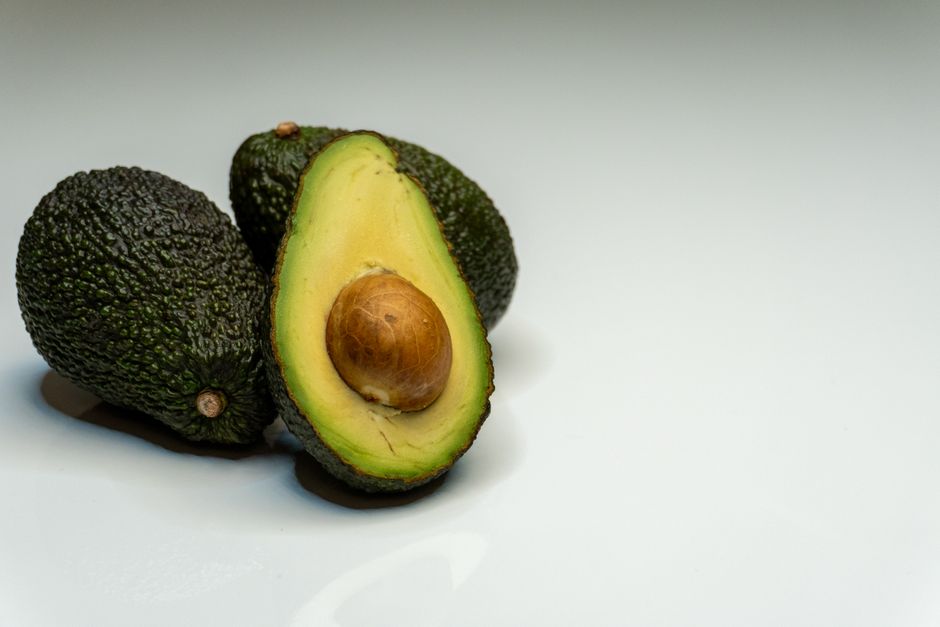
Potassium is typically 3,500-4,700mg daily, which is surprisingly hard because most Americans fall short even eating normally. On keto, you’ve removed a lot of the usual potassium sources like bananas and potatoes. You’ll need avocados (about 975mg per cup of cubed avocado), salmon, leafy greens like Swiss chard, and pork. Supplement forms exist, but the FDA caps over-the-counter potassium at 99mg per dose because high-dose potassium taken wrong has real cardiac risk. Get most of it from food.
Magnesium targets run 300-420mg daily depending on age and sex. It supports over 300 enzymatic reactions, which is why deficiency makes everything feel slightly broken at once. Pumpkin seeds (156mg per ounce), spinach, almonds, and dark chocolate above 85% cacao are solid keto options. Magnesium is also the electrolyte worth actually supplementing, because getting therapeutic amounts from food while staying low-carb is genuinely hard. Magnesium glycinate and magnesium malate are the best-tolerated forms. Magnesium oxide is cheap and common but absorbed poorly and might wreck your digestion.
Recognizing Electrolyte Depletion vs. Normal Adaptation
Ketogenic Diet Plan for Beginners - Dr. Berg · Dr. Eric Berg DC on YouTube
Not every bad feeling in week one is electrolyte depletion. Being able to tell the difference keeps you from either panicking or ignoring something real.
Signs that point to electrolyte issues specifically:
- Headache starting at the temples or back of the skull
- Muscle cramps, especially calves and feet at night
- Heart palpitations or a fluttery feeling in your chest
- Brain fog that doesn’t clear even after sleep
- Dizziness when standing up (orthostatic hypotension)
- Constipation (usually a magnesium issue)
Signs that are more likely general adaptation:
- Temporary fatigue that improves after day 5-7
- Mild irritability around day 2-3
- Changes in breath odor (acetone from ketosis)
- Reduced exercise performance temporarily
The clearest clue is how fast it improves. Drink a cup of salted bone broth and your headache lifts in 30 minutes? That was sodium. Cramps disappear after taking magnesium glycinate for two or three days? That was it. Electrolyte symptoms respond quickly once you actually address them.
How to Actually Hit Your Targets: A Day-by-Day Approach
Here’s a protocol I walk new keto clients through for the first two weeks. It’s not complicated, but specifics matter.
Step 1: Salt your food aggressively and intentionally. Don’t just sprinkle salt over your plate. Salt your cooking water, salt your meat before cooking, salt your eggs. Add at least one teaspoon of salt (about 2,300mg sodium) beyond what’s naturally in your food.
Step 2: Drink salted water or broth in the morning. Before coffee, have 8-12 oz of water with a pinch of salt or a cup of bone broth. This front-loads sodium before caffeine’s mild diuretic effect makes things worse.
Step 3: Eat at least half an avocado daily. One habit, about 500mg of potassium, zero effort, and it goes with almost every keto meal.
Step 4: Take magnesium glycinate at night. Start with 200mg and work up to 400mg if needed. Taking it at night makes sense because magnesium has a mild relaxing effect and it’s easier to remember before bed.
Step 5: Consider a targeted electrolyte product for the first 30 days. Whole-food sources beat supplements long-term, but during active adaptation, having something like LMNT or Nuun Sport tablets makes hitting targets almost effortless. Look for no sugar or minimal sweeteners, and check that sodium is meaningful (500mg or more per serving). (Affiliate link: this site may earn a commission on purchases.)
Step 6: Weigh yourself the morning after a hard workout. A drop over 2 lbs overnight means you sweated out significant electrolytes. Drink 16-24oz of electrolyte water and eat a salty meal before your next session.
Electrolytes for Active People and Athletes on Keto
Training while going keto changes your electrolyte needs considerably. A 60-minute moderate workout means losing 1-2 liters of sweat, and sweat contains roughly 900mg sodium per liter. Do the math and you’ll see why keto athletes who don’t adjust their sodium feel miserable.
A few specifics:
Endurance athletes in ketosis sometimes need 5,000-7,000mg of sodium on training days. That sounds extreme if you grew up hearing 2,300mg was the safe ceiling, but that ceiling was set for sedentary people on a normal diet. Your situation is different.
Before a workout, try a small cup of broth or salt in your water. During workouts longer than 60-75 minutes, an electrolyte drink with sodium and potassium beats plain water. Post-workout, eat a salty meal with protein and fat within 60 minutes.
Strength trainers on keto often hit a wall around week two they blame on “no carbs for energy.” Sometimes that’s real. But often it’s sodium-driven dehydration cutting muscle cell volume, which tanks strength noticeably. One practical fix is keeping a quality kitchen scale like this OXO model to accurately track your food so you can spot where electrolyte sources are falling short. (Affiliate link.)
Electrolyte Comparison: Food Sources vs. Supplements
Sources
| Source | Key Electrolyte | Amount | Pros | Cons |
|---|---|---|---|---|
| Avocado (1 whole) | Potassium | ~975mg | Whole food, healthy fats | Calorie-dense |
| Bone broth (1 cup) | Sodium | 500-1000mg | Easy, comforting | Quality varies widely |
| Pumpkin seeds (1 oz) | Magnesium | 156mg | Portable, keto-friendly | Easy to over-eat |
| Table salt (1 tsp) | Sodium | ~2,300mg | Cheap, accessible | Easy to forget to add |
| Salmon (6 oz) | Potassium | ~600mg | High protein, omega-3s | Requires cooking |
| LMNT packet | Sodium/Potassium/Mg | 1000/200/60mg | Precise, convenient | Cost adds up |
| Magnesium glycinate (capsule) | Magnesium | 200mg | Bioavailable, gentle | Supplement, not food |
| Nuun Sport tablet | Sodium/Potassium | 300/150mg | Easy to carry | Lower sodium than LMNT |
Electrolytes are unglamorous. Nobody sells a course on drinking broth or salting your eggs. But solving this one issue is genuinely the difference between someone saying keto changed their life and someone saying it was miserable and they quit after a week. Get the sodium, potassium, and magnesium right, and the rest of the adaptation becomes manageable. Your future keto-adapted self will be grateful you paid attention to the boring stuff first.
Photo: Ketut Subiyanto via Pexels