 Dr. Sarah Mitchell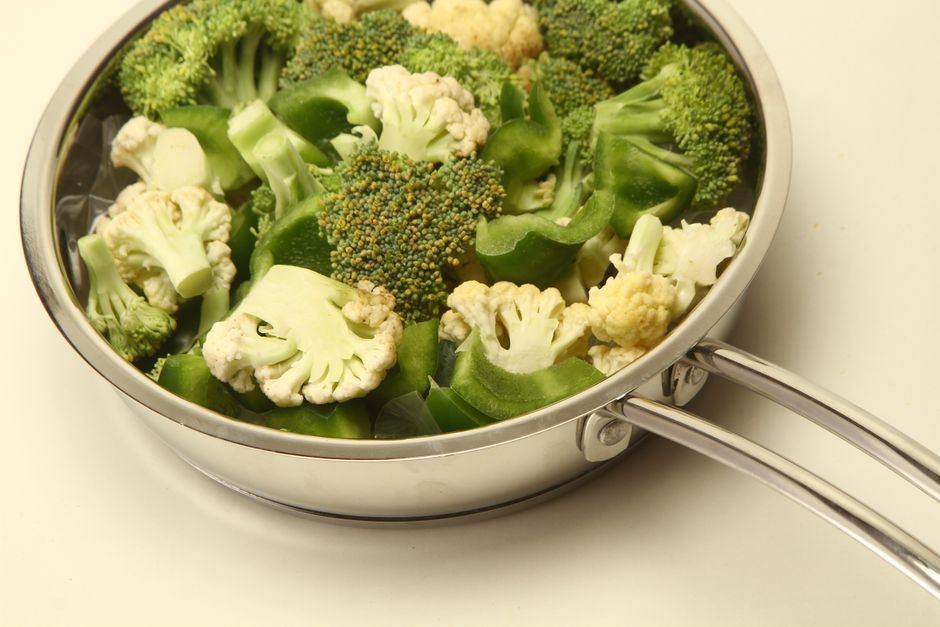
Picture this: two people are both “doing keto.” One eats bacon, string cheese, and fast food bunless burgers every single day. The other meal-preps salmon, roasted vegetables, and avocado. Both are hitting under 20 grams of net carbs. Both are in ketosis. One of them feels amazing after three months. The other is exhausted, constipated, and quietly wondering why everyone said this diet would change their life.
That gap right there is the dirty keto vs. clean keto problem.
What Dirty Keto and Clean Keto Actually Mean
Neither term is official. You won’t find them in any clinical trial or nutrition textbook. They came out of the keto community as a way to describe two very different approaches that share the same core rule: keep carbs low enough to stay in ketosis, generally under 20 to 50 grams of net carbs per day.
Dirty keto is carb-counting without food-quality rules. If it fits your macros and keeps carbs low, it’s fair game. Fast food, processed meats, diet sodas, sugar-free candy, convenience snacks engineered to hit keto macros. The appeal is obvious: it’s flexible, forgiving, and requires almost no cooking.
Clean keto adds a layer of food quality standards. The carb ceiling stays the same, but the focus shifts to whole foods: fatty fish, pasture-raised eggs, grass-fed meat, non-starchy vegetables, olive oil, nuts, seeds, full-fat dairy from quality sources. Processed and ultra-processed foods are mostly off the table.
I resisted using these labels for years because they feel moralistic. “Clean” implies “dirty” is shameful, and that’s not helpful framing for anyone trying to build sustainable habits. But functionally, the distinction matters, and clients keep asking about it, so here we are.
Where Dirty Keto Can Actually Work
Let me give dirty keto its fair due before I get into the problems. For some people at some points in their journey, the relaxed approach is the right tool.
If you’re transitioning off a high-carb diet and just trying to get your carbs under control, strict food quality rules can be overwhelming. Letting someone eat a bunless bacon cheeseburger from a drive-through instead of a refined-carb nightmare is a real improvement. The metabolic shift into ketosis does have legitimate benefits that research supports: reduced insulin levels, appetite suppression in many people, and for some, meaningful weight loss.
I’ve seen clients who’ve lost significant weight on dirty keto, felt better than they had in years, and eventually evolved their eating naturally toward higher-quality foods once the initial chaos settled down. The structure is also forgiving for travel, social situations, and busy weeks. That has real value for long-term adherence. A plan you can actually follow beats a perfect plan you abandon.
Where Dirty Keto Runs Into Trouble
Here’s where I’ll stop being diplomatic. The research on ultra-processed foods is not subtle, and that’s where a lot of dirty keto eaters end up living.
A 2019 NIH randomized controlled trial by Kevin Hall and colleagues found that people given unlimited access to ultra-processed foods ate roughly 500 more calories per day than those eating minimally processed food. They also gained weight. The foods were matched for macros and calories on paper. The processing itself appeared to matter. For keto specifically, this creates a real problem: you can overeat fat and protein on processed foods in ways that stall fat loss, even while technically staying in ketosis.
The micronutrient issue is serious. Processed keto foods, deli meats, fast food, and sugar-free snack products tend to be low in magnesium, potassium, B vitamins, and fiber. The “keto flu” symptoms that drag on for weeks in some people, the fatigue, brain fog, muscle cramps, are frequently micronutrient deficiencies, not a ketosis adjustment. If your diet is built on processed meat and convenience food, you’re not getting what you need from food, and no electrolyte powder fully compensates for that. Speaking of which, a quality electrolyte supplement can help bridge gaps, especially early on. (Disclosure: this site may earn a commission on purchases made through links here.)
The inflammation piece is harder to quantify but worth taking seriously. A dietary pattern heavy in refined seed oils, sodium nitrate, and artificial additives is associated with higher inflammatory markers in observational research. The keto diet has anti-inflammatory potential. Dirty keto may blunt that effect significantly.
Clean Keto: What the Evidence Actually Supports
What surprised me when I went through the research more carefully was how much of the benefit attributed to “keto” specifically may actually come from food quality improvements that happen alongside carb reduction. When studies show improved triglycerides, reduced blood pressure, or better markers of insulin sensitivity on ketogenic diets, the participants aren’t usually eating gas station snacks. They’re eating whole foods.
Clean keto done well delivers fiber from non-starchy vegetables, which supports gut microbiome health. It delivers omega-3 fatty acids from fish and pastured eggs. It delivers magnesium from leafy greens, almonds, and avocado. These aren’t small details. They’re likely responsible for a significant portion of why people feel genuinely well on a keto diet long-term, not just “in ketosis.”
A good kitchen scale is genuinely useful here. Eyeballing portions of nuts or cheese is how people accidentally eat 60 extra grams of fat per day without realizing it. Real numbers help. (Commission disclosure applies.)
A Practical Comparison: What Each Approach Looks Like Day-to-Day
| Factor | Dirty Keto | Clean Keto |
|---|---|---|
| Ketosis achievement | Yes, achievable | Yes, achievable |
| Food prep required | Minimal | Moderate to high |
| Micronutrient density | Low | High |
| Ultra-processed foods | Primary focus | Minimized |
| Common foods | Fast food, deli meats, sugar-free snacks | Fatty fish, eggs, grass-fed meat, vegetables, nuts |
| Inflammation potential | Higher (seed oils, additives) | Lower |
| Long-term sustainability | Often limited | Generally higher |
| Suitable for beginners | Yes, lower barrier to entry | Yes, with planning |
| Factor | Dirty Keto | Clean Keto |
|---|---|---|
| Ketosis achievement | Yes, achievable | Yes, achievable |
| Food prep required | Minimal | Moderate to high |
| Micronutrient density | Often low | Generally high |
| Fiber intake | Typically low | Higher (from vegetables) |
| Inflammatory potential | Higher (processed foods, seed oils) | Lower |
| Cost | Variable, can be cheap | Often higher |
| Sustainability for busy people | High | Requires planning |
| Long-term health markers | Less studied, likely inferior | Better supported by evidence |
| Gut health | Often poor | Better supported |
The honest takeaway isn’t “dirty keto is bad.” It’s that dirty keto trades long-term health optimization for short-term convenience. For some people in some phases of life, that’s an acceptable trade. For others, it’s the reason they feel terrible despite technically following the diet.
How to Shift From Dirty to Cleaner Without Losing Your Mind
Sources
You don’t have to overhaul everything at once.
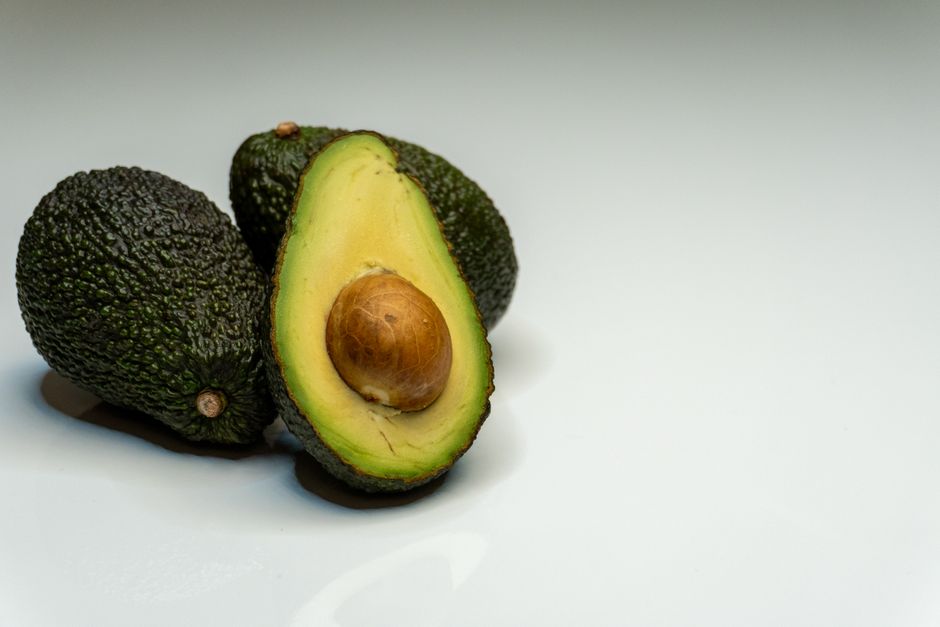
Audit one meal first. Look at breakfast. If it’s processed meat and a diet soda, swap one element. Add two eggs cooked in butter. Add half an avocado. That’s it.
Add a vegetable before you remove anything. A handful of spinach sautéed in olive oil takes four minutes. Add it to whatever you’re already eating. Don’t subtract yet.
Replace one processed snack with a whole-food option. String cheese and pepperoni are easy, but a small handful of macadamia nuts or a boiled egg does the same job with better micronutrients. Keto-friendly nut packs are a convenient bridge option. (Commission disclosure applies.)
Upgrade your fat sources gradually. Swap out vegetable oil for olive oil or butter. Choose salmon or sardines once or twice a week. These changes compound over time.
Use MCT oil strategically, not as a food group. MCT oil can support ketone production, but it’s not a substitute for nutrient-dense whole foods. Add it to coffee or a smoothie as a supplement, not a meal replacement. (Commission disclosure applies.)
Track your vegetables, not just your carbs. Most dirty keto practitioners track net carbs obsessively and never think about whether they’ve eaten a single vegetable. Set a minimum of three servings of non-starchy vegetables daily and see what happens to your energy.
This article is for general informational purposes only and does not constitute medical or dietary advice. Always consult a licensed healthcare provider or registered dietitian before making significant changes to your diet, especially if you have a medical condition.