 Dr. Sarah Mitchell
Nobody talks about the unglamorous part of going keto. The fatigue gets a mention, the “keto flu” has its own Wikipedia entry, but constipation? Usually buried in a forum thread at 2 a.m. by someone who’s miserable and slightly embarrassed to be asking.
It’s common, it’s fixable, and most of the advice floating around is either incomplete or aimed at selling you something expensive you don’t need.
Let me tell you what actually works.
Why Keto Causes Constipation in the First Place
The short version: you cut carbs, you cut most fiber sources along with them, and your gut microbiome is suddenly working with completely different inputs. That transition is rough for a lot of people.
But there’s more going on. When you drop carbohydrates, your body flushes glycogen stores along with the water that glycogen holds. That rapid water loss also pulls electrolytes out, including magnesium, which plays a direct role in muscle contractions throughout your digestive tract. Low magnesium slows everything down. Add in the fact that many new keto dieters aren’t drinking enough water (because they feel like they’re eating so much fat that thirst isn’t a signal they’re tracking), and you’ve got the perfect conditions for a digestive traffic jam.
There’s also the dairy variable. A lot of people go keto and immediately lean into cheese, heavy cream, and butter as their fat sources. Dairy is constipating for a large portion of adults, often subclinically, meaning they don’t identify it as the culprit because they’re not outright lactose intolerant.
I’ve seen this pattern hundreds of times. The client who comes back after two weeks on keto looking great on the scale but quietly suffering from not having had a comfortable bowel movement since day four.
The Remedies, Ranked by How Well They Actually Work
Magnesium first, fiber second
Magnesium glycinate or magnesium citrate is, in my clinical experience, the single most effective intervention for keto-related constipation. Not a fiber supplement. Magnesium.
Magnesium citrate works faster (it draws water into the intestines and can be quite aggressive at higher doses, so start low). Magnesium glycinate is gentler, better absorbed, and my usual first recommendation because it doubles as a sleep aid and doesn’t create urgency at inconvenient times.
Dose range that tends to work: 200-400mg elemental magnesium before bed. Start at 200mg. You’ll know if you’ve gone too high because you’ll spend the next morning regretting it.
Current pricing as of July 2026: a quality magnesium glycinate like Doctor’s Best or Life Extension runs about $15-$25 for a 3-month supply. There’s no reason to spend more than that. (Disclosure: if you click through to Amazon from this site, we may earn a commission.)
The fiber gap is real, but the solution isn’t always a supplement
Cutting grains, legumes, and most fruit removes a significant amount of fiber from the average person’s diet. The research on fiber’s role in constipation is actually more complicated than the “eat more fiber” slogan suggests (soluble vs. insoluble fiber have different effects, and some high-fiber foods make constipation worse in certain people), but for most people on keto, a genuine fiber gap exists and it’s worth filling.
The best keto-compatible fiber sources:
- Chia seeds: 10g fiber per 2-tablespoon serving, nearly zero net carbs, swell in liquid to form a gel that moves things along. I add them to coconut milk in the morning.
- Flaxseed (ground, not whole): similar profile to chia, with the bonus of some omega-3s.
- Psyllium husk: pure soluble fiber, zero net carbs, and works well added to keto baking or stirred into water. Metamucil has added sugar, so if you go the psyllium route, get plain psyllium husk powder from a brand like NOW Foods.
- Non-starchy vegetables: zucchini, asparagus, leafy greens, broccoli, cucumber. These aren’t exciting recommendations, but if someone tells me they’re constipated and they’re eating eggs, bacon, and cheese three times a day with no vegetables, that’s the diagnosis right there.
Hydration is doing more work than you think
On a standard diet, a fair amount of your daily water comes from food, especially carbohydrate-rich foods that retain water. Remove those, and if you don’t consciously increase your fluid intake, you’re running dry. Literally.
The target I use with clients: take your body weight in pounds, divide by two, and drink that many ounces of water daily. If you’re active or sweating a lot, add more. This isn’t a rule backed by a specific randomized controlled trial, but it’s a reasonable starting point, and most keto beginners are significantly below it.
The dairy audit
This one is unpopular because keto dieters love their cheese. But if you’ve tried magnesium, added fiber, are drinking adequate water, and you’re still stuck, cut dairy for two weeks. Not forever. Just as a diagnostic test.
A reader named Priya emailed me earlier this year to tell me she’d been constipated for six weeks on keto and had tried everything. After going through her food log, I noticed she was eating three to four ounces of cheese a day plus heavy cream in two coffees. She cut dairy for ten days. Problem solved within four days. She reintroduced it slowly and found she tolerated small amounts of hard cheeses fine, but the heavy cream was her personal culprit.
That’s not a universal finding. But it’s common enough that it should be on your checklist.
A Comparison of the Main Interventions
Here’s how the most common remedies stack up:
| Remedy | Onset | Cost/Month | Best For | Watch Out For |
|---|---|---|---|---|
| Magnesium glycinate (200-400mg) | 1-3 days | $5-$8 | Most people, first-line | High doses cause loose stools |
| Magnesium citrate (200-400mg) | Hours to 1 day | $5-$8 | Faster relief needed | Can be too aggressive |
| Psyllium husk powder | 1-3 days | $8-$12 | Fiber gap + regularity | Must drink plenty of water with it |
| Chia/flax added to diet | 2-5 days | $5-$10 | Whole-food approach | Calorie-dense; track portions |
| Cutting dairy | 3-7 days | $0 | Dairy-heavy keto dieters | Only needed for some people |
| Increased water intake | 1-3 days | $0 | Dehydrated dieters | Common sense, often overlooked |
| MCT oil (increase gradually) | 6-12 hours | $20-$35 | People already using MCT | Too much causes GI distress fast |
The MCT oil note deserves a sentence: MCT oil has a known laxative effect at higher amounts, which is why some people use it intentionally and some people discover this fact at deeply inconvenient moments. If you’re already using MCT oil, a modest increase (a teaspoon more than your usual dose) can help move things along. If you’re not using it already, I wouldn’t start it for constipation specifically. There are easier interventions.
What to Actually Do in the First Two Weeks of Keto
Most constipation hits in the first two to three weeks, before the body has adapted. Here’s the protocol I walk new keto clients through:
Start magnesium glycinate at 200mg the night before you begin keto. Don’t wait until you’re symptomatic. Add chia seeds or psyllium husk to your daily routine from day one. Drink water intentionally (set an alarm if you need to). Load your meals with non-starchy vegetables rather than relying entirely on dairy-based fat sources. If nothing is moving by day five, bump magnesium to 300mg and add a tablespoon of psyllium husk in a large glass of water in the morning.
Three scenarios from clinical experience:
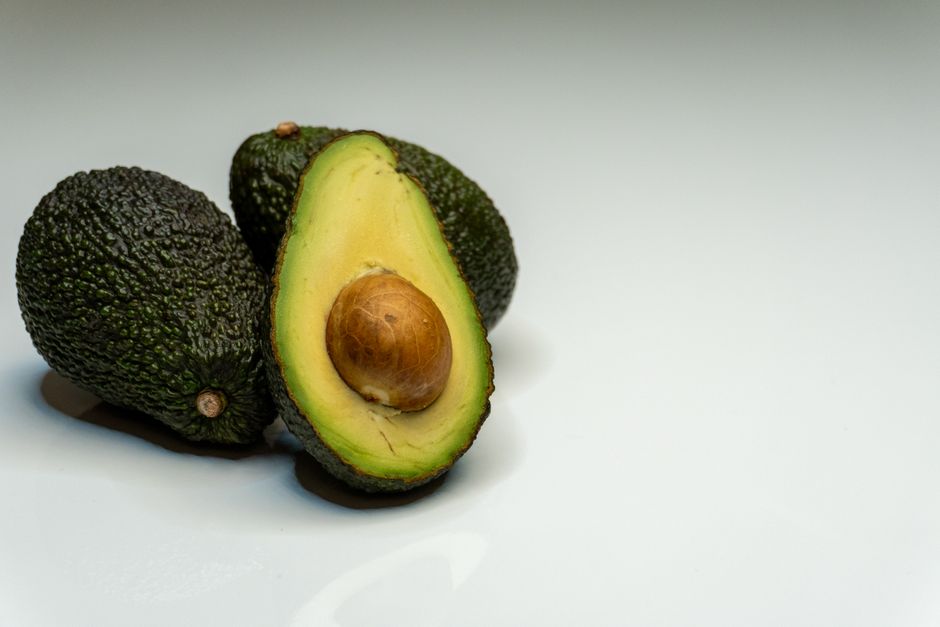
Client goes strict keto, no vegetables, heavy cheese use, doesn’t supplement magnesium → by day four, not moving at all → added 300mg magnesium glycinate nightly + half avocado daily + explicit water tracking → regular within three days.
Client transitions gradually (one week of moderate low-carb before going full keto), already eating leafy greens daily, adds magnesium from the start → mild slowdown in week one → back to normal by week two with no additional intervention needed. This approach works more often than people expect. The crash-into-keto method causes more side effects than a gradual transition.
Client with pre-existing constipation starts keto → existing issue worsens significantly → needed both magnesium glycinate and psyllium husk, plus explicit dairy reduction. Important note: keto doesn’t cause IBS or chronic constipation, but it will amplify an existing tendency. If you struggled with this before keto, go in with both eyes open and a plan already in hand.
Sources
- Volpe SL (2013). “Magnesium in Disease Prevention and Overall Health.” Advances in Nutrition. Covers magnesium’s role in muscle function including GI motility.
- Rao SSC, Rattanakovit K, Patcharatrakul T (2016). “Diagnosis and management of chronic constipation in adults.” Nature Reviews Gastroenterology & Hepatology. Contextual basis for understanding fiber and hydration recommendations.
- Phinney SD, Volek JS. The Art and Science of Low Carbohydrate Living (2011). Covers electrolyte shifts during carbohydrate restriction, including magnesium loss.
- McRorie JW, McKeown NM (2017). “Understanding the Physics of Functional Fibers in the Gastrointestinal Tract.” Journal of the Academy of Nutrition and Dietetics. Explains why not all fiber works the same way.
- Paoli A, et al. (2013). “Beyond weight loss: a review of the therapeutic uses of very-low-carbohydrate (ketogenic) diets.” European Journal of Clinical Nutrition. Background on physiological adaptations during keto.
Photo: Caleb Oquendo via Pexels
This article is for general informational purposes only and does not constitute medical or dietary advice. Always consult a licensed healthcare provider or registered dietitian before making significant changes to your diet, especially if you have a medical condition.