 Emma Lawson
Something new and genuinely surprising is happening in eating disorder research right now. In January 2026, UC San Diego launched a first-of-its-kind clinical trial testing a therapeutic ketogenic diet as a treatment for anorexia nervosa, run through its Eating Disorder Center’s partial hospital and intensive outpatient programs. If you’re in the keto space, you’ve probably already seen this circulating. If you work in mental health or have a loved one with an eating disorder, it may have stopped you cold. A high-fat, calorie-dense diet for patients who already struggle to eat enough? It sounds counterintuitive at minimum, and alarming at worst. But the science behind it is more serious than the headlines suggest, and I think this is worth understanding carefully.
I’ve spent years watching the keto research evolve from “weight loss diet” into something more complicated and genuinely interesting in psychiatry. The UCSD trial (NCT06605027), led by Dr. Guido Frank, is recruiting up to 120 participants aged 16 to 45 across both anorexia nervosa and bulimia nervosa cohorts, running through August 2028. It’s testing whether a 14-week therapeutic ketogenic diet, given to weight-normalized anorexia patients, can reduce the drive to restrict food, lower body dissatisfaction, ease mood disturbance, and reduce anxiety. Those are the core symptoms that keep people trapped in the illness even after their weight has been medically stabilized. A parallel UCSD trial (NCT05507008), which started in October 2022 and wraps up in December 2026, is studying ketone supplementation rather than full dietary changes, and it includes EEG measurement of brain response to binge and restrict triggers. Together, these trials are asking whether altering brain metabolism can change the neural patterns that drive eating disorder behavior.
- UCSD's trial NCT06605027 launched January 2026, recruiting up to 120 participants aged 16-45.
- The 14-week therapeutic ketogenic diet targets anxiety, mood, and drive to restrict, not weight gain.
- A parallel UCSD trial (NCT05507008) tests ketone supplementation with EEG brain response measurement.
- Eating disorders carry roughly 10% mortality within 10 years, giving new treatment angles real clinical urgency.
- Both trials are funded partly by Baszucki Group, which has backed keto research in schizophrenia and bipolar disorder.
Why the Brain, Not the Body, Is the Target
What most people don’t realize is that the keto connection here has nothing to do with weight loss. The rationale is entirely about brain metabolism and reward circuitry. Ketogenic therapy has documented effects on neural network stability, and the pathways it touches, including reward processing, emotional regulation, and threat response, are exactly the pathways that go haywire in anorexia nervosa. Patients with anorexia show altered dopamine signaling and hyperactivity in brain regions associated with anxiety and self-critical thought. The question the UCSD researchers are genuinely asking is whether putting the brain into ketosis changes those patterns in a clinically meaningful way.
This fits into a broader field called metabolic psychiatry, which is gaining serious institutional momentum. Baszucki Group, the philanthropic fund backing these UCSD trials, has previously supported keto research in schizophrenia and bipolar disorder. That’s not a fringe operation funding fringe science. It signals a real institutional bet that metabolic state influences psychiatric illness in ways we haven’t fully exploited yet.
The Clinical Stakes Are Enormous
Eating disorders affect approximately 28 million Americans. They also carry the highest mortality rate of any psychiatric illness. An average of 10% of patients die within 10 years of diagnosis. Those numbers deserve a moment. We’re not talking about a quality-of-life issue with manageable consequences. We’re talking about a condition that kills at rates that would be considered a public health emergency in almost any other context, and for which existing treatments have frustratingly limited long-term efficacy, especially for anorexia nervosa.
The two UCSD trials side by side give a useful snapshot of where the research actually stands right now:
| Trial | ID | Started | End Date | Intervention | Primary Targets |
|---|---|---|---|---|---|
| TKD in Partial Hospital Program | NCT06605027 | Jan 2026 | Aug 2028 | Full therapeutic ketogenic diet | Drive to restrict, body dissatisfaction, mood, anxiety |
| Ketone Supplementation in Eating Disorders | NCT05507008 | Oct 2022 | Dec 2026 | Ketone supplement (no full diet change) | Binge/restrict behavior, brain response (EEG) |
The supplementation trial is important because it lets researchers isolate the effect of ketones themselves, separate from all the other lifestyle and dietary variables that come with fully adopting a ketogenic diet. If both trials show positive signals, that’s a more convincing case than either one alone.
Where the Skepticism Is Warranted
How to Start the Ketogenic Diet Correctly? · Dr. Eric Berg DC on YouTube
I want to be straight with you about what we don’t know, because this is a population where bad information causes real harm. These are trials, not treatments. No results from NCT06605027 exist yet. The ketone supplementation trial is still running. There is no published clinical evidence that either intervention improves outcomes in anorexia or bulimia at this point. The biological rationale is plausible and grounded in real neuroscience, but plausible rationales have failed to produce useful treatments before, in psychiatry especially.
There are also obvious concerns specific to this population. Anorexia nervosa involves severe and complex food restriction. Introducing a highly structured, restrictive-sounding dietary protocol, even one with very different goals, carries real clinical risk if not implemented by a specialized team in a controlled setting. The UCSD trials are running within existing eating disorder treatment programs with professional oversight. That context matters enormously. Anyone reading about this and thinking about trying a ketogenic diet at home as an eating disorder intervention should stop and talk to their treatment team first. This isn’t a case where self-experimentation is appropriate.
What This Means for the Keto and Mental Health Communities
I’ve watched keto get oversold so many times that my instinct is always to pump the brakes. But I think the metabolic psychiatry angle deserves genuine attention, not hype, but serious watching. The UCSD trials are well-designed, the funding is credible, and the biological hypothesis is coherent. The field of keto-for-mental-illness is young but moving faster than most people realize. Schizophrenia pilot data, bipolar disorder case series, and now eating disorders. The pattern is real, even if the evidence base is still early.
What I’d tell anyone in the eating disorder recovery community, or anyone who loves someone with AN or BN, is this: these results will matter when they arrive. NCT05507008 finishes in December 2026. That data will be the first concrete signal about whether ketone-based intervention does anything measurable in this population. Watch for that publication. In the meantime, the existence of this research is a reason for cautious hope, not a reason to change anything about current care.
The fact that researchers are taking metabolic approaches to the most lethal psychiatric illness we have is, honestly, a good thing. Whether it works is a separate question. We’ll know more by the time 2028 rolls around.
Sources
- UCSD Clinical Trial: Therapeutic Ketogenic Diet in Partial Hospital Program Anorexia Nervosa (NCT06605027) (January 2026)
- UCSD Clinical Trial: Ketone Supplementation in Eating Disorders (NCT05507008) (Active, ends December 2026)
- UC San Diego Launches New Clinical Trial for Anorexia Nervosa (September 2023)
- UCSD Ketogenic Diet Clinical Trials for 2026 (April 2026)
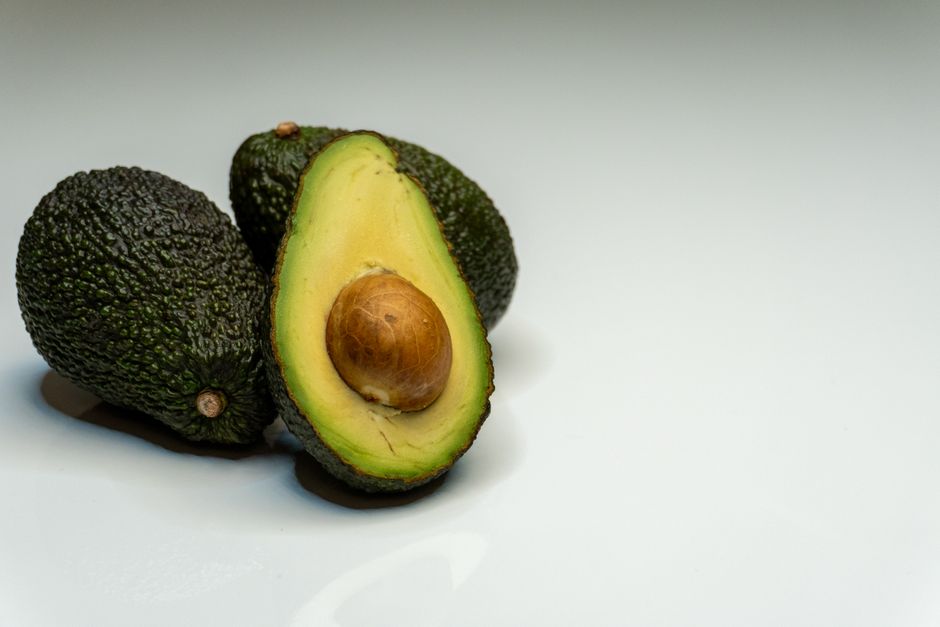
Photo: Angele J via Pexels
This article is for general informational purposes only and does not constitute medical or dietary advice. Always consult a licensed healthcare provider or registered dietitian before making significant changes to your diet, especially if you have a medical condition.