 Diana Walsh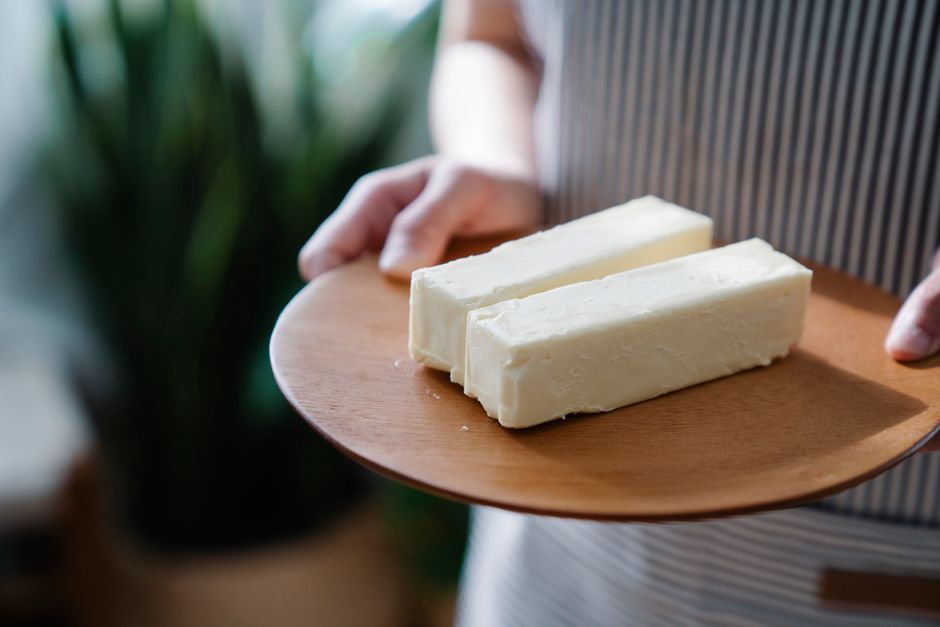
Butter is probably the least controversial fat in keto circles, which is exactly why most articles about it are so useless. Everyone already knows it’s “allowed.” What they don’t know is which butter actually matters, how much moves the needle on ketosis versus how much is just calorie padding, and whether the grass-fed premium is worth the price or just savvy marketing aimed at people who’ve already bought in.
Let’s sort that out.
This table breaks down the key differences between butter types so you can match your choice to your actual priorities-whether that's budget, [fat quality](/dirty-keto-vs-clean-keto/), or cooking needs.
| Butter Type | Fat % | Carbs per Tbsp | Smoke Point | Omega-3 / CLA | Dairy Proteins | Typical Cost | Best For |
|---|---|---|---|---|---|---|---|
| Conventional (Land O'Lakes, store brand) | ~80% | 0g | 350°F | Baseline | Present (trace) | $3-4 / lb | Budget-conscious daily use; baking |
| Grass-fed (Kerrygold, Vital Farms) | ~82% | 0g | 350°F | ~3-5× higher | Present (trace) | $8-12 / lb | Those prioritizing fat quality; finishing dishes |
| Ghee (Fourth & Heart, Bulletproof) | 99-100% | 0g | ~485°F | Varies by source | Removed | $10-15 / lb equiv. | High-heat cooking; dairy-sensitive individuals |
| Clarified Butter (homemade or store) | ~99% | 0g | ~450°F | Varies by source | Mostly removed | $6-10 / lb equiv. | Sautéing; those mildly lactose-sensitive |
General information for comparison, confirm specifics for your situation.
Not all butter performs equally
Regular commodity butter (Land O’Lakes, store-brand blocks, whatever’s on sale) is around 80% fat by weight, with the remainder split between water and trace amounts of milk protein and lactose. For most people in ketosis, this is fine. The carb count is effectively zero.
Grass-fed butter (Kerrygold being the most recognizable, usually $4-6 for a half-pound block depending on where you buy) has a noticeably different fatty acid profile. More CLA (conjugated linoleic acid), higher omega-3s, better vitamin K2 content. A 2020 analysis in Food Science & Nutrition confirmed the nutritional gap between grass-fed and conventional dairy fat is real, not just marketing copy. Whether that difference matters clinically for someone who already eats a varied keto diet is messier. Probably not enormously, but the fat quality is genuinely better.
Ghee deserves its own category. It’s butter with the milk solids removed, so it’s closer to 99-100% fat and essentially free of lactose and casein. If you’re someone who notices digestive discomfort with butter, or who suspects dairy protein sensitivity, ghee is the obvious upgrade. Fourth & Heart makes a solid grass-fed option, and Bulletproof’s version works fine too, though you’re paying partly for the brand name. Smoke point also jumps significantly (around 485°F vs. 350°F for butter), which matters if you’re searing anything hot.
Clarified butter is ghee’s less refined cousin. Same process, just less rigorously strained. Fine for most cooking. From a keto standpoint, it’s not meaningfully different.
How much butter actually makes sense
Here’s where people go sideways: treating butter as a keto superfood that should be added to everything in unlimited quantities because “fat is good now.” That framing helped a lot of people get started. It’s imprecise enough to cause real problems though.
Butter is roughly 100 calories per tablespoon. Two tablespoons in your morning coffee, a tablespoon on your vegetables, another one for cooking eggs: you’re already at 400+ calories from butter before you’ve eaten a meal that contains any protein, fiber, or actual nutrients. For some people at some calorie targets, that’s fine. For someone trying to lose weight on keto, it quietly wrecks an otherwise solid day.
The approach that works better for most of my clients: use butter as a cooking fat and finishing fat, not as a nutrition strategy. A tablespoon or two per meal is plenty. The keto bulletproof-coffee trend (butter plus MCT oil blended into coffee, popularized around 2014-2015) works well as a genuine meal replacement for people who aren’t hungry in the morning. It doesn’t work as a supplement on top of a full breakfast.
If you want MCT benefits specifically, a quality MCT oil in your cooking or coffee gets you there more efficiently than butter alone. Butter’s MCT content is modest.
The dairy sensitivity question
A real subset of people stall on keto despite doing everything else right. Dairy is frequently the culprit. Butter is lower risk than cream or cheese because the milk solids are minimal, but it’s not zero risk. If you’ve plateaued for 3-4 weeks, you have low-grade bloating, or your digestion just feels off, pull dairy entirely for two weeks (butter included) and replace it with ghee, olive oil, or avocado oil. This experiment is worth running.
I’ve had clients who swore butter was fine, tried this, and lost 6-8 pounds in the following month. I’ve also had clients who tried it and noticed zero difference, then went back to butter without regret. The research on dairy and weight loss is genuinely mixed. You’ll have to test this yourself.
Cooking with butter on keto: what actually works
Butter excels at low-to-medium heat cooking: eggs, sautéed vegetables, pan sauces, finishing steaks after a sear. It burns above 300-350°F, so it’s a bad choice for high-heat searing or roasting at 425°F. Use avocado oil or ghee for that, then finish with butter for flavor.
One technique worth knowing: beurre monté, which is just butter emulsified with a small amount of water over low heat. It’s how you make a quick pan sauce without it breaking. Deglaze a pan with a splash of chicken broth, then whisk in 2-3 tablespoons of cold butter off heat. Ninety seconds later you have something that makes keto vegetables genuinely good to eat.
Compound butters are underused in keto cooking. Mash softened butter with garlic and herbs (or blue cheese, or anchovy paste, or smoked paprika and lemon zest), roll it in parchment, freeze it, then slice off a coin when you need it. Drop it on a steak, roasted cauliflower, or grilled fish. Five minutes of work turns ordinary proteins into something you’d pay $30 for at a restaurant.
A kitchen scale is worth having if you’re tracking closely. “A tablespoon” of butter can range from 10 to 18 grams depending on how you measure it. That variance adds up.
FAQ
Sources
- MCT oil
- avocado oil
- kitchen scale
- Felicity Tai
- in Food Science & Nutrition confirmed the nutritional gap between grass-fed an
Is butter actually a good fat source for keto, or just a neutral one?
It’s genuinely good. High in saturated and monounsaturated fat, essentially zero carbs, and a reasonable source of fat-soluble vitamins. It’s not as nutritionally dense as fatty fish or avocado, but as a cooking fat and flavor base it earns its place.
Does grass-fed butter make a real difference, or is it hype?
The nutritional difference is real but probably modest in the context of a varied diet. Kerrygold and similar grass-fed butters have better omega-3 and CLA profiles than conventional butter. If the price difference ($1-2 more per block) is trivial to you, buy grass-fed. If it isn’t, don’t worry about it.
Can too much butter kick you out of ketosis?
Butter won’t raise insulin meaningfully or disrupt ketone production. The issue is calories, not ketosis. You can stay in ketosis while overeating butter and still not lose weight, or gain it. That’s where “fat doesn’t count on keto” becomes counterproductive.
Is ghee better than butter for keto?
Ghee has a higher fat percentage, no milk solids, and a higher smoke point. For cooking at higher temperatures or if you have dairy sensitivity, it’s the better choice. For spreading on low-carb toast or finishing a sauce, butter tastes better to most people. They’re interchangeable from a ketosis standpoint.
Should I add butter to my coffee?
Only if it’s replacing a meal. Bulletproof-style coffee works well as a fat-based breakfast for people with low morning appetite. Adding it on top of a meal you’re already eating just piles on calories without any specific metabolic benefit.
Photo: Felicity Tai via Pexels
This article is for general informational purposes only and does not constitute medical or dietary advice. Always consult a licensed healthcare provider or registered dietitian before making significant changes to your diet, especially if you have a medical condition.