 Dr. Sarah Mitchell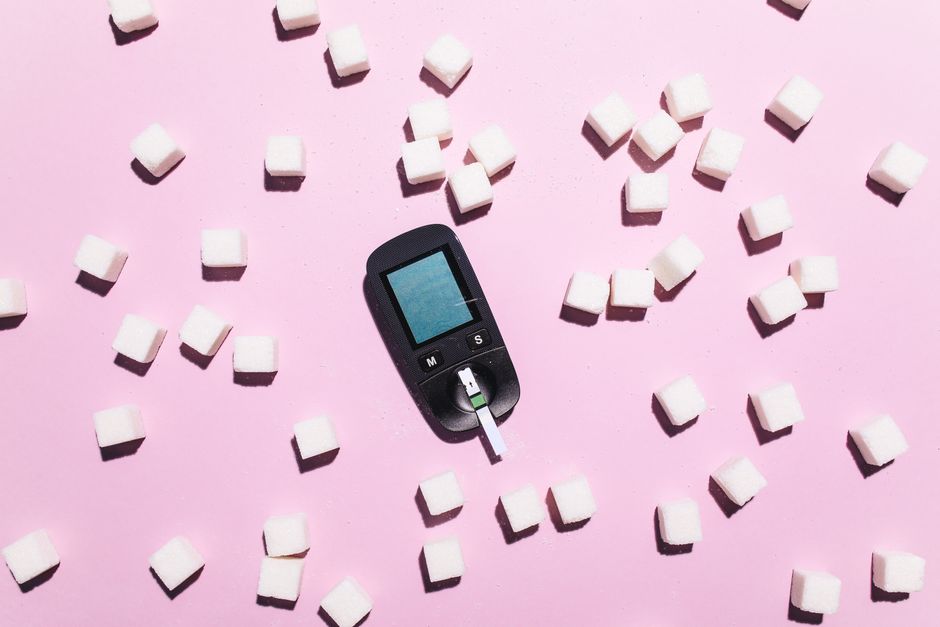
Most people testing ketones for the first time have no idea what number they’re looking at. They prick their finger, get a reading of 0.4 mmol/L, and either panic that it’s too low or assume they’ve failed keto entirely. I’ve watched this happen dozens of times in my practice, and it never stops frustrating me, because it’s so fixable with just a little context.
So let’s talk about what blood ketone numbers actually mean, where the ranges come from, and how to use them without driving yourself crazy.
What the Numbers Actually Represent
Blood ketone tests measure beta-hydroxybutyrate (BHB), which is the primary ketone your liver produces when you’re burning fat for fuel. The meter reads your BHB in millimoles per liter (mmol/L). Most people who’ve never done a ketogenic diet will read somewhere between 0.0 and 0.3 mmol/L, because even on a standard diet your body produces tiny amounts of ketones.
Here’s the framework most clinicians and researchers use:
0.0 to 0.5 mmol/L: Baseline. You’re not in nutritional ketosis. This is normal for someone eating carbs, or someone who just started restricting and hasn’t made the metabolic switch yet.
0.5 to 1.5 mmol/L: Light to moderate nutritional ketosis. This is where a lot of people land when they’re eating low-carb consistently, maybe 30-50g of net carbs per day. You’re getting fat adaptation benefits here. Don’t let anyone tell you this doesn’t count.
1.5 to 3.0 mmol/L: The “optimal” range you’ll see cited everywhere, especially in work from Dr. Stephen Phinney and Jeff Volek. Deeper ketosis, faster adaptation for some people, and the range most often linked with appetite suppression and mental clarity.
3.0 to 5.0 mmol/L: High nutritional ketosis. This shows up during extended fasting, heavy exercise, or very strict dietary restriction. It’s safe, but not necessarily better than 1.5 to 3.0 for most people doing this for weight loss or metabolic health.
Above 5.0 mmol/L: Still safe in non-diabetic individuals, but it warrants attention. Prolonged fasting or extreme carb restriction can push numbers this high. I’d consult your doctor if you’re consistently reading above 5 without an intentional protocol reason.
Above 10 mmol/L, especially combined with high blood glucose: This is diabetic ketoacidosis territory, a serious medical emergency. To be clear: this essentially can’t happen in a person with a functioning pancreas. Nutritional ketosis and DKA are physiologically distinct. People confuse them constantly, including some physicians who should know better. If you’re a type 1 diabetic or have unclear pancreatic function, get proper medical supervision. Full stop.
Why “Optimal” Is More Personal Than the Chart Suggests
I want to push back on the idea that you need to hit 1.5 to 3.0 mmol/L to get results. That range comes largely from research on therapeutic ketosis, particularly for neurological applications like epilepsy and Alzheimer’s risk reduction. For general weight loss and metabolic improvement? The evidence that higher is meaningfully better is actually thin.
I’ve had clients losing weight steadily, sleeping better, and feeling great at 0.7 mmol/L. I’ve had others stalling at 2.4 mmol/L because they were overeating fat-heavy foods and ignoring calories. The ketone number tells you you’re in ketosis. It doesn’t tell you your body composition is changing, that your inflammation is down, or that you’re actually eating in a deficit.
Your BHB levels fluctuate throughout the day and across the week. You’ll typically read lower in the morning if you’ve been sleeping, since blood glucose is slightly higher and ketones slightly suppressed. Afternoon readings tend to be higher, especially if you’ve been active or haven’t eaten in several hours. Testing at the same time each day gives you more useful data than chasing a perfect number after every meal.
How to Test Without Wasting a Fortune
| Ketone Meter Type | Accuracy | Strip Cost | Best For | Limitations |
|---|---|---|---|---|
| Blood (Keto-Mojo) | High, independently validated | ~$1 per strip (bulk) | Precise ketone tracking | Ongoing strip cost |
| Blood (Precision Xtra) | High | $3-$5 per strip | Precise ketone tracking | Higher strip cost |
| Urine (Ketostix) | Reliable early on | <$1 per strip | First few weeks only | Unreliable after fat adaptation |
| Breath (Biosense/Ketonix) | Correlates with BHB | No recurring strips | Trend tracking without cost | Indirect measurement, less precise |
Blood ketone testing is accurate but not cheap. The Keto-Mojo meter is currently the most popular choice among people doing this seriously, and for good reason: it’s been independently validated, and the strips cost around $1 each when you buy in bulk (the GK+ bundle with glucose strips runs about $50 upfront). That’s significantly cheaper than older options like Precision Xtra, where strips have historically run $3 to $5 each.
Urine strips like Ketostix are cheap, but they stop working reliably once you’re fat-adapted. Your body stops excreting as many ketones in urine as it learns to use them efficiently. I’ve seen people think they’ve “fallen out of ketosis” purely because their urine strips went from dark purple to light pink, when actually they’d just become more metabolically efficient. Don’t rely on urine strips past the first few weeks.
Breath ketone meters like the Biosense or Ketonix measure acetone, which correlates with BHB but isn’t the same thing. They’re useful for trend tracking without the ongoing strip cost, but if you want precise numbers, blood testing is the standard. (Note: affiliate links to these products may earn this site a commission.)
Once you know your patterns, once or twice a week at a consistent time gives you meaningful data without the cost. Daily or multiple-times-daily testing is usually overkill.
When Numbers Behave Strangely
Sources
- Polina Tankilevitch
- on therapeutic ketosis
- than chasing a perfect number after every meal
- without the cost
A few scenarios I get asked about constantly:
You’ve been strict for two weeks and you’re reading 0.2 mmol/L. Most likely culprits: protein is too high (excess protein can be gluconeogenic, though this is overstated in the keto world), you’re eating more carbs than you think, or your body just needs more time. Some people take three to four weeks to fully shift. Also check your electrolytes. Severe sodium depletion can affect how your body metabolizes fuels.
You ate something off-plan and your ketones tanked to 0.1 mmol/L. This happens fast. A single high-carb meal can drop you out of measurable ketosis within hours. The good news: you can often get back to 0.5+ within 24-48 hours if you return to your protocol. It’s not a disaster.
You’re fasting and your reading is 4.8 mmol/L. Unless you’re diabetic or have relevant medical history, this is just what extended fasting looks like. Your body is producing ketones faster than it’s using them. Eat a fat-focused keto meal and it’ll come down.
The chart is a starting point, not a scorecard. I’ve worked with clients who obsessed over hitting 2.0 mmol/L and made themselves miserable adjusting macros endlessly, while their neighbor lost 30 pounds staying casually between 0.6 and 1.0. Use the numbers to learn your patterns, then step back and let the diet do what it does.
Photo: Polina Tankilevitch via Pexels
This article is for general informational purposes only and does not constitute medical or dietary advice. Always consult a licensed healthcare provider or registered dietitian before making significant changes to your diet, especially if you have a medical condition.