 Ryan Park
Most people jumping into keto spend the first week obsessing over carb counts and fat sources, then realize somewhere around day ten that they have absolutely no idea how much protein they’re eating or where it’s coming from. That’s not a minor oversight. Get protein wrong on keto and you’ll either lose muscle mass, stall fat loss, or accidentally knock yourself out of ketosis by eating too much of the wrong stuff. I’ve watched this play out with clients repeatedly, and the frustrating part is that the fix isn’t complicated once you understand what’s actually happening.
Why Protein on Keto Is More Complicated Than Anyone Tells You
Here’s the thing most keto content glosses over: protein is the macro that requires the most individual calibration on a ketogenic diet. Fat targets are relatively forgiving. Carbs are a hard ceiling. But protein sits in this awkward middle ground where too little causes real problems and too much can theoretically blunt ketosis through gluconeogenesis, where your liver converts amino acids into glucose.
I’ll be honest: the gluconeogenesis fear is genuinely overblown in most mainstream keto circles. The research here is mixed. Some studies suggest that gluconeogenesis is largely demand-driven, meaning your body only converts protein to glucose when it needs to, not just because protein is available. Others show that very high protein intakes can raise insulin enough to reduce ketone production in some people. What surprised me was how individual this response seems to be. Some of my clients eat 180 grams of protein daily and stay in solid ketosis. Others find anything above 120 grams pushes them into a gray zone.
The practical upshot: a moderate protein target of roughly 0.7 to 1.0 grams per pound of lean body mass is where most people land successfully. That’s not a guarantee, but it’s a reasonable starting range backed by both research and real-world experience with actual keto dieters. If you’re active or strength training, lean toward the higher end without fear.
What matters just as much as quantity is the quality and composition of your protein sources. And this is where the conversation gets genuinely interesting.
The Tier-One Protein Sources: What Belongs in Your Weekly Rotation
Not all protein on keto is equal. The best sources are the ones that deliver complete amino acid profiles, are low in carbs, have favorable fat profiles, and are actually sustainable to eat regularly. Here’s where I consistently land after working through this with hundreds of clients.
Eggs are the most underrated protein source in existence, on keto or otherwise. One large egg has about 6 grams of protein, zero carbs, and 5 grams of fat. The fat composition is reasonable, the choline content is genuinely important for liver health (especially relevant on a high-fat diet), and the amino acid profile is essentially the gold standard by which other proteins are measured. Whole eggs, not just whites. The yolk is where most of the nutritional value lives.
Fatty fish deserves its own paragraph. Salmon, sardines, mackerel, and trout are doing double duty on keto: they’re delivering protein and omega-3 fatty acids simultaneously. A 6-ounce salmon fillet gives you around 34 grams of protein and an excellent omega-3 to omega-6 ratio, which matters because keto diets can skew heavily toward omega-6 if you’re not paying attention. Canned sardines packed in olive oil are one of the most cost-effective and nutrient-dense things you can eat. I know they’re not glamorous. Eat them anyway.
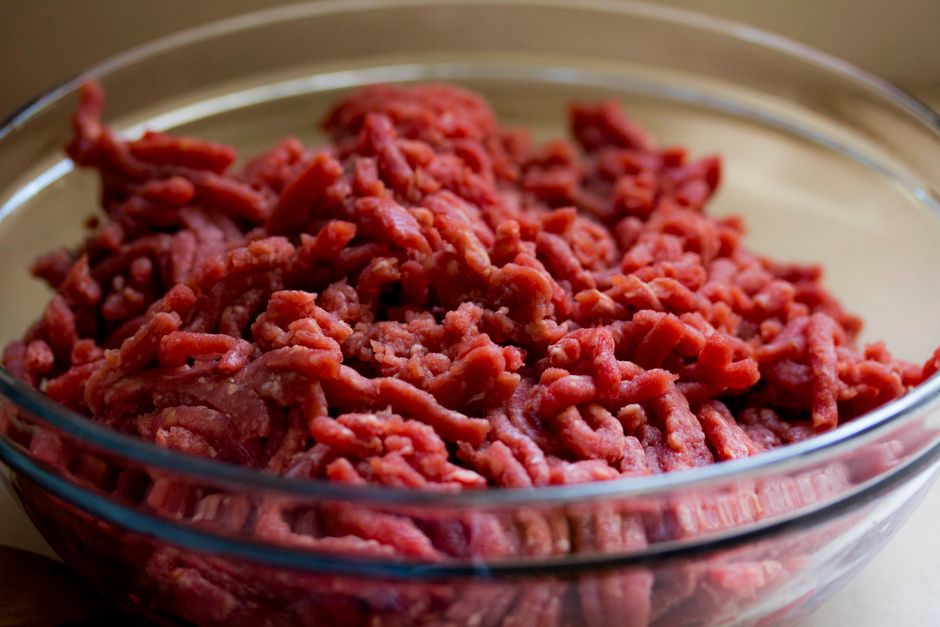
Beef, particularly fatty cuts, is a keto staple for good reason. Ground beef (80/20), ribeye, chuck roast, and brisket all provide complete protein alongside saturated and monounsaturated fat that fits the keto macro framework. A 6-ounce 80/20 ground beef patty delivers roughly 28 grams of protein and 24 grams of fat. For people who find pure chicken breast unsatisfying on keto, fatty beef often solves that problem because the fat slows digestion and increases satiety.
Poultry with skin on is a better choice than skinless cuts when you’re eating keto. Chicken thighs beat chicken breasts in this context, not because breasts are bad, but because thighs are more forgiving to cook, cheaper, and naturally higher in fat. Turkey thighs are an underused option that most people completely ignore.
The Comparison: How Common Keto Proteins Stack Up
The 10 Best Zero Carb Foods (that make keto easy) · Dr Dan Maggs on YouTube
| Protein Source | Serving Size | Protein (g) | Fat (g) | Carbs (g) | Notes |
|---|---|---|---|---|---|
| Whole eggs | 2 large | 12 | 10 | 1 | Complete amino profile, high choline |
| Salmon (wild) | 6 oz | 34 | 12 | 0 | High omega-3, prioritize wild-caught |
| 80/20 ground beef | 6 oz cooked | 28 | 24 | 0 | Satiating, versatile, affordable |
| Chicken thighs (skin on) | 6 oz | 30 | 16 | 0 | Better fat ratio than breast |
| Sardines in olive oil | 1 can (3.75 oz) | 23 | 12 | 0 | Omega-3 powerhouse, budget-friendly |
| Pork belly | 4 oz | 11 | 38 | 0 | High fat, use as complement not main source |
| Full-fat Greek yogurt | 6 oz | 15 | 8 | 5 | Watch carbs, counts toward daily total |
| Cottage cheese (full fat) | 1/2 cup | 13 | 5 | 4 | Good for hitting protein targets, moderate carbs |
Here’s a practical breakdown to make this concrete:
| Protein Source | Serving Size | Protein (g) | Fat (g) | Carbs (g) | Notes |
|---|---|---|---|---|---|
| Whole eggs | 2 large | 12 | 10 | 1 | Complete amino profile, high choline |
| Salmon (wild) | 6 oz | 34 | 12 | 0 | High omega-3, prioritize wild-caught |
| 80/20 ground beef | 6 oz cooked | 28 | 24 | 0 | Satiating, versatile, affordable |
| Chicken thighs (skin on) | 6 oz | 30 | 16 | 0 | Better fat ratio than breast |
| Sardines in olive oil | 1 can (3.75 oz) | 23 | 12 | 0 | Omega-3 powerhouse, budget-friendly |
| Pork belly | 4 oz | 11 | 38 | 0 | High fat, use as complement not main source |
| Full-fat Greek yogurt | 6 oz | 15 | 8 | 5 | Watch carbs, counts toward daily total |
| Cottage cheese (full fat) | 1/2 cup | 13 | 5 | 4 | Good for hitting protein targets, moderate carbs |
One thing I want to flag: pork belly and other very fatty cuts are fantastic on keto, but they’re calorie-dense enough that they work better as a complement to leaner protein rather than your primary source. I’ve seen people eat too much pork belly and wonder why they’re gaining rather than losing weight despite being “in ketosis.” Total calories still matter.
Protein Sources That Get Oversold on Keto
Let me push back on a few things that the keto community has elevated beyond their actual value.
Protein shakes and powders are convenient but not ideal as primary sources. They spike amino acids quickly, they’re processed, and many popular keto-friendly protein powders contain sweeteners that cause digestive issues or insulin responses in sensitive people. Whey protein in particular can raise insulin more than its carb content would suggest, which is a real consideration for strict keto dieters. I’m not saying never use protein powder. I use it myself. But if you’re relying on it as your main protein source, you’re missing out on the micronutrients, satiety, and food quality that whole sources provide.
Processed deli meats and bacon are popular keto choices that come with trade-offs. They’re often high in sodium, contain additives and preservatives, and their protein-to-calorie ratio isn’t great. Bacon as a regular protein source also tends to push your fat intake very high without giving you much protein per calorie. It’s a condiment, not a protein staple, despite what the keto internet might lead you to believe.
Cheese is a legitimate food on keto, but it’s also primarily a fat source with modest protein. A one-ounce serving of cheddar has about 7 grams of protein and 9 grams of fat. Great as a fat source, fine as a protein booster, not a protein foundation.
What surprised me when I really looked at the data was how much of the “keto protein discourse” is driven by what’s easy and pleasurable rather than what’s optimal. Bacon and cheese are delicious. They’re not primary protein sources.
How to Build a Practical Keto Protein Strategy
Sources
- A reliable digital kitchen scale
- electrolyte supplement
- Jess Loiterton
- here is mixed
- and real-world experience with actual keto dieters
Here’s a simple framework that works in real life:
Step 1: Calculate your protein target. Take your goal body weight in pounds and multiply by 0.8. That’s a reasonable daily protein target in grams for most moderately active adults. If you’re lifting weights regularly, use 1.0. Don’t overthink it.
Step 2: Build your meals around one anchor protein. Breakfast: 2 to 3 whole eggs plus a side of smoked salmon or sausage. Lunch: a can of sardines or 6 ounces of tuna with olive oil and vegetables. Dinner: 6 to 8 ounces of beef, chicken thighs, or fatty fish. This rough structure puts most people in the 100 to 140 gram daily range without careful tracking.
Step 3: Use a kitchen scale for the first two to three weeks. You don’t have to weigh food forever, but the calibration period is genuinely useful. Most people dramatically overestimate or underestimate protein portions before they have a reference point. A quality kitchen scale doesn’t have to be expensive. A reliable digital kitchen scale runs around $15 to $25 and makes this much less guesswork. (This site may earn a commission on purchases made through affiliate links.)
Step 4: Prioritize variety across the week. Eating beef every day is legal on keto but not optimal. Cycling in fatty fish two to three times per week, eggs most mornings, and varying your red and white meat sources gives you a better overall nutrient profile.
Step 5: Address electrolytes if high-protein eating increases muscle soreness. More protein means more nitrogen excretion, which can accelerate electrolyte losses, especially early in keto. An electrolyte supplement that includes sodium, potassium, and magnesium is worth having in your toolkit. (This site may earn a commission on purchases made through affiliate links.)
Getting protein right on keto isn’t about finding a perfect formula. It’s about building a sustainable weekly pattern anchored around whole, nutrient-dense sources, tracking honestly for a few weeks until you have an intuitive sense of portions, and adjusting based on how you actually feel and perform. The people I’ve seen thrive long-term on keto aren’t the ones who followed the most rigid protocol. They’re the ones who figured out what worked for their body and stopped arguing with the data. That’s available to you too.
As always, if you have specific health conditions or concerns, working with a registered dietitian or your physician before making significant dietary changes is the right call.
Photo: Jess Loiterton via Pexels
This article is for general informational purposes only and does not constitute medical or dietary advice. Always consult a licensed healthcare provider or registered dietitian before making significant changes to your diet, especially if you have a medical condition.