 Jake Torres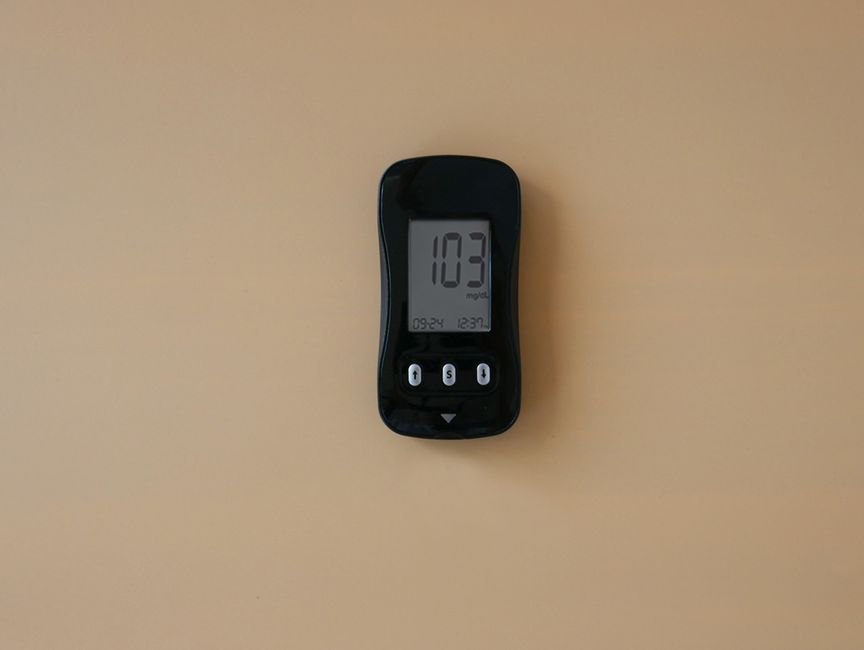
Most people buying a ketone meter don’t realize they’re about to spend real money on a device where the brand matters enormously, and not always in the ways the product pages suggest. I went deep on this after a reader emailed me frustrated that her readings seemed wildly inconsistent compared to her training partner using a different device. They were eating nearly identical meals. Same fasting window. Completely different numbers. That’s not user error. That’s a calibration and methodology problem baked into the products themselves.
Let me tell you what I actually found.
Blood vs. Breath vs. Urine: Settle This First
Before you even think about specific meters, you need to decide what you’re actually measuring. Urine strips (Smackfat, Ketostix) measure acetoacetate, not beta-hydroxybutyrate (BHB), which is the primary ketone your body runs on. They’re cheap, around $10-15 for a big bottle, but they’re a rough signal at best. After the first few weeks of keto, your kidneys stop excreting as much acetoacetate because your body gets efficient at using it. So the strips look lighter over time, people think they’ve fallen out of ketosis, and they haven’t. I’ve seen this derail clients more times than I can count.
Breath meters measure acetone, a different ketone. Better than urine, honestly, because acetone tracks BHB reasonably well over time, and you never pay for test strips. The Biosense (around $200 as of this year) is the best breath device on the market for serious users. It uses a clinical acetone measurement unit called ACEs rather than arbitrary numbers, and the research behind it is more rigorous than competitors. What surprised me was how well it correlated with blood BHB for people who had been keto-adapted for at least four to six weeks. For newer keto dieters, the correlation is messier.
Blood meters measure BHB directly. Most accurate. Most invasive. Ongoing strip costs add up. That’s the real tradeoff.
Blood Ketone Meters: What the Comparison Actually Looks Like
| Meter Type | Measures | Cost | Accuracy | Best For |
|---|---|---|---|---|
| Urine Strips (Ketostix) | Acetoacetate | $10-15/bottle | Rough signal; unreliable after keto-adaptation | Budget option; not recommended long-term |
| Breath (Biosense) | Acetone | ~$200 | Good correlation with BHB after 4-6 weeks keto-adapted | Ongoing use without strip costs |
| Blood: Keto-Mojo GK+ Duo | BHB + glucose | $1.00-1.30/ketone strip | ±0.5 mmol/L tolerance; slightly lower than Precision Xtra | Most people; dual glucose/ketone; app integration |
| Blood: Precision Xtra | BHB | $2.50-4.00/strip | ±0.5 mmol/L tolerance; gold standard in research | Research reference; clinical validation |
| Continuous: Sibio KS1 | Interstitial fluid ketones | High sensor cost | Lags behind fingerstick blood testing | Trend data; early adopters only |
The two meters you’ll see recommended most are the Keto-Mojo GK+ Duo and the Precision Xtra from Abbott. I’ve used both. Here’s my honest take.
The Keto-Mojo GK+ is the better choice for most people doing this seriously. It measures both blood glucose and ketones from one device, the app integration is genuinely useful (not just a gimmick), and the strips are cheaper than Abbott’s at around $1.00-1.30 per ketone strip versus $2.50-4.00 for Precision Xtra strips. Over a month of daily testing, that difference is significant. Keto-Mojo also participates in independent validation studies and publishes its accuracy data, which I appreciate. The readings run slightly lower than Precision Xtra readings, typically by 0.1 to 0.3 mmol/L, which isn’t clinically meaningful but does matter if you’re comparing your numbers to someone using a different device (see: my reader’s situation above).
The Precision Xtra is the gold standard in clinical research settings. Older device, no app, uglier interface, expensive strips. But it’s been used in more peer-reviewed research than any other consumer ketone meter, so if you’re doing anything research-adjacent or want to use your readings as a reference point against published literature, it’s the right call.
There’s a third option worth mentioning: the Sibio KS1 continuous ketone monitor. It launched in select markets in 2025 and works like a continuous glucose monitor (CGM), measuring interstitial fluid ketones every few minutes via a wearable sensor. The accuracy still lags behind fingerstick blood testing, and the sensors are expensive. But this is where the technology is heading, and for people who want trend data rather than snapshot readings, it’s genuinely interesting. I’d call this a “watch closely but not ready for primetime” situation for most users.
The Accuracy Problem Nobody Talks About Loudly Enough
Here’s the contrarian take I’ll stand behind: most people testing ketones at home are getting information that’s precise enough to be misleading. Consumer blood ketone meters are FDA-cleared to a ±0.5 mmol/L tolerance at lower ranges. That means a reading of 1.0 mmol/L could be anywhere from 0.5 to 1.5 mmol/L. At nutritional ketosis levels (typically 0.5-3.0 mmol/L), that’s a huge window.
I’ll be honest: I used to tell clients to test daily. I’ve changed my view on this. For most people, testing three to four times per week, at consistent times (I recommend fasting, morning, before anything except water), gives you more useful trend information than daily spot checks that freak you out with normal variability. Ketones fluctuate throughout the day. After exercise they drop. After coffee they sometimes rise. After stress they spike. None of that is diet failure. It’s physiology.
The people who get the most value from frequent testing are those doing ketogenic diets for specific medical reasons (epilepsy management, for example), athletes doing targeted ketone supplementation, or people troubleshooting a genuine stall. Everyone else can test less and stress less.
Practical Setup: What You Actually Need to Start
Sources
- i-SENS, USA
- behind it is more rigorous than competitors
- than any other consumer ketone meter
- rather than snapshot readings
If you’re buying your first meter and want one device that does the job well without overcomplplicating things, get the Keto-Mojo GK+ Duo. Download the app. Buy a box of both glucose and ketone strips, because testing glucose alongside ketones gives you the Glucose Ketone Index (GKI), which is a more informative number than BHB alone for understanding metabolic state.
You’ll also want a decent lancet device. The one Keto-Mojo bundles is fine, but the Genteel Plus lancing device (around $30) uses vacuum suction to draw blood without having to prick quite as deep, which matters if you’re testing daily.
A few things I’d skip: the exogenous ketone supplements that come bundled in “starter kits” on Amazon. They raise your ketone readings temporarily without any of the metabolic adaptation that comes from dietary ketosis. They’re not useless, but they’re not what you need to test whether your diet is working.
If you want to try breath testing instead of blood (or alongside it), the Biosense is the only breath device I’d actually recommend at this point. The cheaper breath meters like the LEVL or older Ketonix units have accuracy issues that make the savings not worth it. (The site may earn a commission on purchases made through links here.)
Photo: i-SENS, USA via Pexels
This article is for general informational purposes only and does not constitute medical or dietary advice. Always consult a licensed healthcare provider or registered dietitian before making significant changes to your diet, especially if you have a medical condition.