 Jake Torres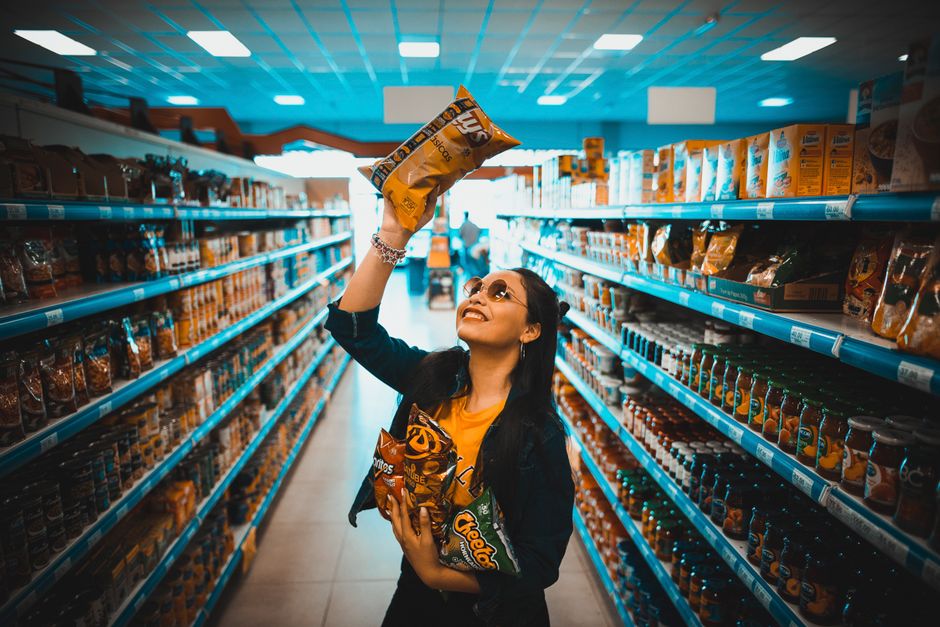
Most people walk into the grocery store planning to “grab something keto” and leave with a bag of pork rinds and a prayer. I’ve done it. I’ve watched clients do it. And honestly, it ends one of two ways: boredom by day four, or they buy something that looked keto-friendly on the package but knocked them out of ketosis by lunch. The snack aisle is genuinely confusing on a low-carb diet because food marketing has weaponized the language. “Low carb,” “sugar free,” “keto friendly”, all can show up on packaging with 18 grams of net carbs per serving. I’ll share what I’ve actually learned from research and from working with real people trying to make this stick.
Why Most “Keto” Snacks at the Store Aren’t Worth Your Money
The packaged keto snack market surprised me. The math often doesn’t work.
A lot of products subtract fiber AND sugar alcohols to hit a net carb number, but not all sugar alcohols affect blood sugar equally. Maltitol, which shows up constantly in “keto” chocolate bars and gummies, has a glycemic index of about 35. That’s roughly half the glycemic impact of table sugar. Not nothing.
Then there’s the serving size game. A package of keto crackers lists 2g net carbs per serving, with a serving being seven crackers. Nobody eats seven crackers.
I always check three things before anything goes in the cart:
- Total carbs first, not net carbs. Then look at what’s being subtracted and why.
- The sugar alcohol type. Erythritol and allulose are genuinely low-impact. Maltitol and sorbitol aren’t.
- Protein and fat content. A snack that’s mostly fiber filler with little protein or fat isn’t keeping you full. It’s just keeping you busy.
This doesn’t mean all packaged keto snacks are garbage. Some are legitimately good. You just need to know which categories actually deliver.
The Best Whole-Food Keto Snacks You Can Buy Right Now
The honest answer is that the most reliable keto snacks at any grocery store are the ones that don’t come in a bag with “KETO” printed on them in bold font.
Hard-boiled eggs. Most stores sell them pre-cooked in packs of two or six. About 1g carb, 6g protein, and enough fat to actually satisfy. They’re underrated by people wanting something crunchier, but eggs are doing real work nutritionally.
String cheese and baby bel rounds. Consistently reliable. Around 0-1g carb per piece, decent protein, portable. Not exciting, but dependable in a way that counts.
Full-fat Greek yogurt (plain). The plain full-fat version runs about 5-7g carbs per 3/4 cup serving, which fits most people’s daily targets. Low-fat or flavored versions jump to 20+ grams. Always check the plain, full-fat option specifically.
Olives. A 1-ounce serving has around 1g net carbs and gives you oleic acid, the same fat that makes olive oil worth the price. They come pre-packaged at most stores in snack cups. Underused in the keto toolkit.
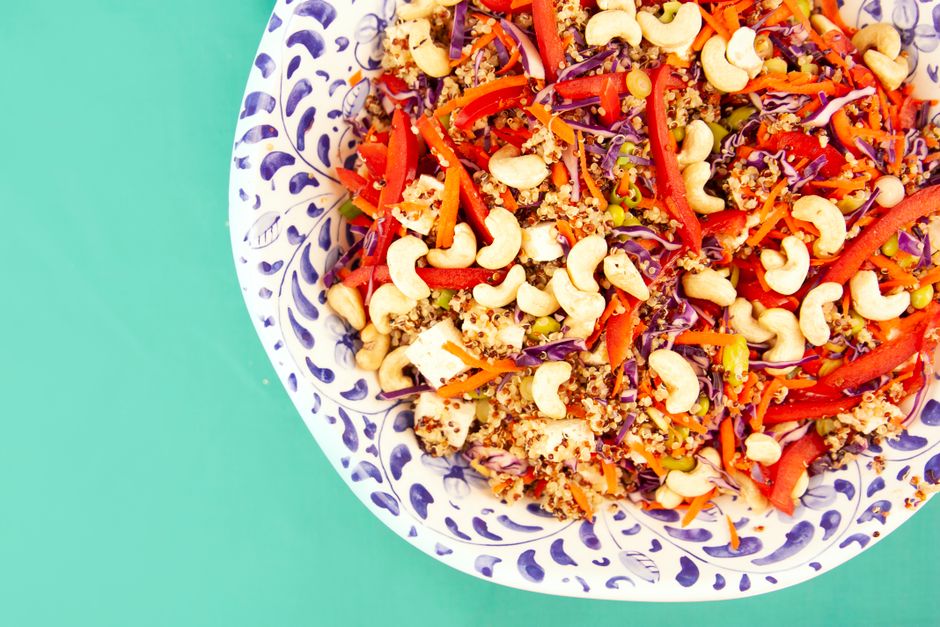
Nuts and seeds. Macadamia nuts are the best keto nut by a wide margin: high fat, low carb (about 4g net carbs per ounce), and filling without much volume. Almonds and pecans are solid. Cashews and pistachios are where people get burned because they’re noticeably higher in carbs, one ounce of cashews is about 8g net carbs. Know your nuts.
Salami or pepperoni slices. The pre-packaged snack packs near the deli section are usually 0-1g carbs per serving. Pair with string cheese above and you’ve got a snack that’s actually satisfying.
Packaged Products Worth Putting in Your Cart
| Snack | Net Carbs per Serving | Protein | Key Benefit |
|---|---|---|---|
| Hard-boiled eggs | ~1g | 6g | High satiety, reliable |
| String cheese / Baby Bel | 0-1g | Varies | Portable, consistent |
| Full-fat Greek yogurt (plain, 3/4 cup) | 5-7g | Varies | Fits most daily targets |
| Olives (1 oz) | ~1g | Low | Rich in oleic acid |
| Macadamia nuts (1 oz) | ~4g | Varies | Highest fat-to-carb ratio |
| Almonds / Pecans (1 oz) | Varies | Varies | Solid keto option |
| Cashews (1 oz) | ~8g | Varies | Higher carb-use cautiously |
| Meat sticks (Chomps/Epic) | 0-1g | High | Clean ingredients |
| Whisps / Parmesan crisps | ~0g | High | Zero-carb crunch |
| Siete grain-free chips (1 oz) | 7-8g | Varies | For relaxed low-carb |
| Lily’s chocolate (per square) | 3-4g | Low | Erythritol-sweetened treat |
| Pork rinds (quality brand) | 0g | High | Zero-carb protein |
| Salami / pepperoni packs | 0-1g | High | Convenient, satisfying |
Some packaged keto snacks are legitimately good, and I’d rather help you find those than pretend convenience doesn’t matter.
Chomps or Epic brand meat sticks. Better than the gas station beef jerky most people default to. Lower in sugar, cleaner ingredient lists, and the macros hold up. Around 0-1g carbs per stick with decent protein. You can sometimes find them cheaper in bulk on Amazon if your store charges a lot per unit. (Disclosure: this site may earn a commission on qualifying purchases.)
Whisps or Parmesan crisps. These are literally baked cheese, which is about as keto as food gets. About 0g net carbs, high protein, genuinely crunchy in a way that scratches the chip craving. Whisps is widely available at most major grocery chains. The only downside is cost per ounce, but the ingredient list is one item: cheese.
Siete grain-free tortilla chips. These aren’t zero-carb. A 1-ounce serving runs about 7-8g net carbs depending on the variety. For someone doing a more relaxed low-carb approach (say, 50-75g carbs per day rather than strict keto), they fill the crunchy snack gap better than most alternatives. Know your budget before you reach for them.
Lily’s chocolate. Sweetened with stevia and erythritol, about 3-4g net carbs per square depending on the bar. The research on erythritol is generally reassuring, though there’s some emerging discussion worth following. I wouldn’t eat half a bar in a sitting and assume it’s free, but a square or two after dinner is a reasonable treat. Most major grocery stores carry it now.
Pork rinds. Yes, they’re ubiquitous. But they’re zero carb, high protein, and if you buy a decent brand like Epic or 4505, they taste significantly better than the dusty gas station versions. Add some guacamole or cream cheese-based dip and this becomes a snack worth looking forward to.
How to Build a Grocery Store Keto Snack Kit (A Practical Approach)
This is what I share with clients starting out or resetting after a rough stretch. The goal is having five distinct snacks on hand so that “there’s nothing to eat” doesn’t become a reason to go off plan.
Step 1: Pick one savory, portable protein source. This is your grab-and-go when you’re leaving for hours. Meat sticks, hard-boiled eggs, or a snack pack of salami. Always stocked.
Step 2: Pick one cheese option. String cheese, baby bel, or sliced cheddar. Pairs with almost everything and adds fat to keep hunger at bay longer than protein alone.
Step 3: Pick one nut or seed. An ounce of macadamia nuts or a small bag of pecans. Pre-portion into snack bags at home because eating from the bag is how people end up at 400 calories of almonds without noticing.
Step 4: Pick one “craving crusher” snack. Something that handles the texture craving. Pork rinds, Whisps, or pepperoni chips (microwave pepperoni slices for 30 seconds on a paper towel and you have a chip-like snack). This one is important for sustainability because deprivation isn’t a strategy.
Step 5: Pick one small treat. A Lily’s chocolate bar or a couple squares of 85%+ dark chocolate. Not zero carbs, but a small planned treat beats a large unplanned one.
| Snack Category | Best Options | Approx. Net Carbs | Watch Out For |
|---|---|---|---|
| Portable protein | Chomps sticks, hard-boiled eggs, salami | 0-1g per serving | Jerky with added sugar |
| Cheese | String cheese, babybel, parmesan crisps | 0-1g | “Cheese products” vs. real cheese |
| Nuts/seeds | Macadamia, pecans, walnuts | 2-5g per oz | Cashews, pistachios (higher carb) |
| Crunch fix | Pork rinds, Whisps | 0g | Flavored versions with hidden sugars |
| Treat | Lily’s chocolate, 85%+ dark chocolate | 3-5g per serving | Maltitol-based “keto” candy |
What to Skip (And Why the Labels Are Misleading)
Sources
- You can sometimes find them cheaper in bulk on Amazon
- and from working with real people trying to make this stick
- on erythritol is generally reassuring
- here is mixed on whether certain “keto” products belong in the category at all
- on whether diet sodas affect insulin or appetite is genuinely inconclusive
The research here is mixed on whether certain “keto” products belong in the category at all, and I’d rather flag the problem categories than let you find out at the register.
Quest bars and similar protein bars. Not bad products, and not entirely off limits. But a lot of them run 4-8g net carbs after subtracting fiber, and the texture comes from ingredients your body may have an unpredictable response to. Some people stall on keto when bars become daily staples. I’ve seen it enough times that I recommend them as occasional fallbacks, not daily snacks.
“Keto” granola. Almost always higher than it looks. The combination of nuts, seeds, and sweetener adds up. Check the label especially carefully because a 1/4 cup serving size is the trick.
Diet sodas as a “snack.” Not food, obviously, but clients sometimes mention using them to manage hunger between meals. The research on whether diet sodas affect insulin or appetite is genuinely inconclusive. I don’t tell people to quit them, but I do note they shouldn’t substitute for actual food when your body signals it needs fuel.
Anything with the phrase “net carbs” prominently on the front without further explanation. Flip it over and read the full label. That’s where the real story is.
The snack question sounds small, but I’ve watched it make or break long-term adherence more times than I can count. Not because snacks are the most important part of a ketogenic diet, but because hunger between meals is where discipline erodes. If you always have something that actually satisfies you, you make better decisions. If the only thing in arm’s reach is a mystery protein bar you’re not sure about, the vending machine starts looking reasonable. Stock deliberately, read labels skeptically, and don’t let the word “keto” on a package do your thinking for you. As always, if you have specific health conditions or are managing anything metabolically complex, working with a registered dietitian or your doctor before making significant dietary changes is genuinely worth it, not just a disclaimer.
This article is for general informational purposes only and does not constitute medical or dietary advice. Always consult a licensed healthcare provider or registered dietitian before making significant changes to your diet, especially if you have a medical condition.