 Ryan Park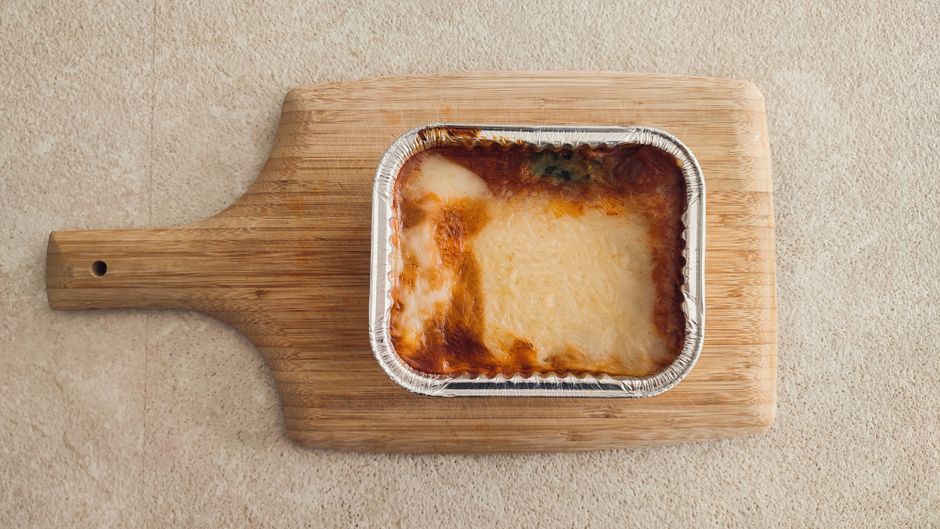
Most frozen meals marketed as “keto” are not actually keto. That’s the thing nobody tells you upfront, and it took me going through a ridiculous number of cardboard boxes before I figured it out.
Here’s what I mean. Walk through any Walmart or Target freezer aisle today and you’ll see “keto-friendly” slapped on meals with 18 grams of net carbs. That’s not catastrophic for a low-carb diet, but for someone trying to stay in ketosis, it can blow half your daily carb budget in one shot. The labeling standards for “keto” are basically nonexistent, so brands use it as a marketing hook, not a nutritional commitment. Once I understood that, I stopped trusting the front of the package entirely and started flipping every box to read the actual numbers.
What I found after that shift surprised me. Some of the best options aren’t even labeled keto at all.
What the Numbers Actually Need to Look Like
Before I get into specific brands and products, let me be direct about targets. For most people actively trying to stay in ketosis, you want a frozen meal with under 10 grams of net carbs (total carbs minus fiber), at least 15 to 20 grams of protein, and enough fat that you’re not hungry again 45 minutes later. Some keto advocates insist on a specific fat-to-protein ratio, but in my experience working with clients, that level of precision matters much less than just keeping net carbs consistently low throughout the day.
Sodium is the other variable worth watching. Frozen meals are almost universally high in sodium, typically 700 to 1,100mg per serving. For most keto eaters this is actually less alarming than it sounds, because the diet increases sodium excretion and many people on keto genuinely need more sodium than they would on a standard diet. Still, if you’re managing blood pressure issues, it’s a real consideration and you should talk to your doctor rather than treating sodium targets as something you can ignore.
The Brands That Actually Hold Up
| Brand | Product | Net Carbs (g) | Protein (g) | Price Range | Key Notes |
|---|---|---|---|---|---|
| Atkins | Farmhouse-Style Sausage Scramble | ~4 | Good | $ | Consistent macros |
| Atkins | Beef Merlot | ~7 | Good | $ | Reliable nutritional accuracy |
| Primal Kitchen | Frozen Bowls | <10 | Solid | $8-$11 | Avocado oil, cleaner ingredients |
| Amy’s Kitchen | Indian Palak Paneer | ~9 | High (paneer) | $ | Clean ingredients, actual food taste |
| Tattooed Chef | Cauliflower Bowl with Pesto | <10 | - | ~$5 | Works well as base meal |
| Factor | Weekly Keto Meals | Variable | Macro-filtered | $11-$15 | Fresh-frozen delivery, higher quality |
| Avoid | Cauliflower Crust Pizza | 15-22 | - | $ | Small serving sizes mislead; check full container |
| Avoid | Healthy Choice Power Bowls | 30-40 | - | $ | Often contain brown rice/quinoa filler |
Atkins frozen meals are the obvious starting point and honestly still one of the more reliable options despite being around forever. The Atkins Farmhouse-Style Sausage Scramble (around 4g net carbs) and the Beef Merlot (7g net carbs) are both legitimately keto-compatible. The protein counts are decent. The taste is fine, though not remarkable. Where Atkins earns points is consistency: I’ve never opened an Atkins box and found a surprise 20g carb count hiding inside. They care about the numbers because their brand identity depends on it.
Keto Cup and Primal Kitchen have a narrower frozen meal selection but generally better ingredient quality. Primal Kitchen in particular uses avocado oil and avoids soybean oil in most of their products, which matters to a subset of keto eaters who care about seed oils. Their frozen bowls run about $8 to $11 at Whole Foods or Target, which is real money for a single meal, but the macros are solid and the ingredient list is readable.
Here’s my contrarian take: some Amy’s Kitchen frozen meals are better keto choices than dedicated keto products. I know that sounds wrong because Amy’s isn’t positioned for low-carb eating at all. But their Indian Palak Paneer (about 9g net carbs, high fat, solid protein from the paneer) and their Roasted Vegetable Tamale Verde are worth looking at if you’re not strictly carnivore-focused. The ingredients are cleaner than most of what the “keto” brands produce, and the meals actually taste like food someone cooked rather than like a prototype from a food science lab.
The brand I’ve been most impressed with lately is Tattooed Chef, specifically their cauliflower products. Their Cauliflower Mac & Cheese Bowl has been reformulated more than once so verify current carb counts before buying, but their plain Riced Cauliflower bowls and the Cauliflower Bowl with Pesto come in well under 10g net carbs and work well as a base you add protein to. Picking one up for around $5 and cooking a chicken thigh alongside it is genuinely a solid 10-minute meal.
Factor (formerly Factor 75) operates differently from freezer aisle options because it’s a meal delivery service. Fresh-frozen, delivered weekly, with macro filters so you can sort specifically for keto meals. The quality difference compared to shelf-stable frozen meals is real and noticeable. Factor isn’t cheap, typically $11 to $15 per meal depending on how many you order, and whether that’s worth it depends entirely on your situation. For clients who travel constantly or work long hours and were previously grabbing fast food, I’ve seen Factor make a significant practical difference. For someone who can cook three nights a week, probably overkill.
The Freezer Aisle Trap to Avoid
The worst offenders are the “protein bowls” and “cauliflower crust pizza” products that seem like obvious keto choices. Cauliflower crust frozen pizzas almost universally run 15 to 22g net carbs per serving, and the serving sizes are often set artificially small to make the numbers look better. A typical 10-inch cauliflower crust pizza has two servings listed on the box. Nobody eats half a personal pizza. Look at the full container numbers, not the per-serving numbers, and decide from there.
Protein bowls in the “healthy” section (think Healthy Choice Power Bowls or similar) often contain brown rice or quinoa as filler, pushing net carbs to 30 to 40g per bowl. A few look low-carb on the front but aren’t. Read the label every time, even on products you’ve bought before, because reformulations happen constantly and not always with any announcement.
Making Frozen Meals Work Long-Term
Sources
- Jade Sandra
- on electrolyte supplementation during ketosis is genuinely supportive
One thing I tell clients: don’t treat any frozen meal as a complete, satisfying, long-term solution on its own. They work best as part of a system. Keep a bag of pre-cooked rotisserie chicken, some hard-boiled eggs, a block of cheese, and a bag of frozen vegetables around. That way a frozen meal with slightly lower protein becomes a full meal when you add ingredients from that rotation rather than a snack you’re unsatisfied with an hour later.
A kitchen scale helps more than most people expect. (This one on Amazon is accurate and cheap, and it’ll change how you read portion sizes.) Weighing the actual product before eating it tells you whether that frozen meal claiming 8g net carbs is actually delivering one serving or 1.4 servings, which matters more than people realize.
If you’re using electrolyte supplements alongside your keto diet, which many people on strict keto should consider, brands like LMNT and Liquid IV have products worth looking at. The research on electrolyte supplementation during ketosis is genuinely supportive, not just supplement company hype. (Note: this site may earn a commission on qualifying purchases through Amazon links.)
Photo: Jade Sandra via Pexels
This article is for general informational purposes only and does not constitute medical or dietary advice. Always consult a licensed healthcare provider or registered dietitian before making significant changes to your diet, especially if you have a medical condition.