 Ryan Park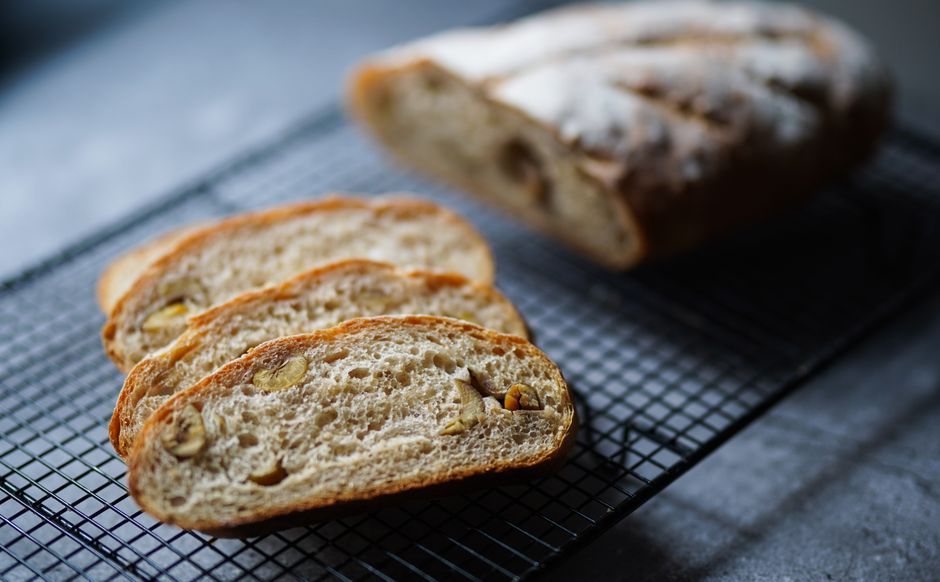
Most keto bread tastes like a foam pool noodle. I’ll be honest: I spent years telling clients to just skip it, make lettuce wraps, and get over the nostalgia for sandwiches. I was wrong to be that dismissive.
What changed my mind wasn’t a study. It was watching a client named Marcus, a long-haul truck driver from Tulsa, quit keto entirely because he couldn’t figure out how to eat on the road without bread. He’d been doing well for three months, down 22 pounds, and the lack of practical grab-and-go options broke him. That was the moment I started taking keto bread seriously as a category worth knowing.
So I went deep. I bought a lot of bad loaves. I tested them with clients across different contexts: road warriors, busy parents, people doing therapeutic keto for neurological reasons who needed strict carb control. Here’s what I actually found.
The Carb Math Matters More Than the Label
Before you pick a brand, you need to understand something that trips up almost everyone: net carbs versus total carbs, and why some brands play games with both.
Keto bread typically uses a combination of almond flour, coconut flour, psyllium husk, oat fiber, and sometimes modified wheat starch or wheat gluten (which is where things get complicated for some people). The “net carbs” figure you see on the package is calculated by subtracting fiber and sugar alcohols from total carbs. The problem is that not all fiber is equally inert. Soluble fibers like inulin and chicory root get partially fermented in the gut and can cause a small insulin response in some people. Modified wheat starch, used by at least two major brands, is also contested territory.
For most people doing keto for weight loss, the standard net carb math is fine. For people doing strict therapeutic keto (epilepsy management, for example), I’d always recommend tracking total carbs instead and consulting with whoever is managing their care.
The Brands Worth Your Money (And a Few to Skip)
| Brand | Net Carbs per Slice | Price per Loaf | Key Ingredient Notes | Best For |
|---|---|---|---|---|
| Franz Keto Bread | 1g | $5-$6 | Wheat-based formula | Most people; sandwich bread texture |
| Sola Bread | 2-3g | $7-$8 | Modified wheat starch + oat fiber | Toasting, grilling, recipes |
| Carbonaut | 1g | $8-$9 | Alternative fiber blend (no modified wheat starch) | Stricter low-carb; wheat-containing |
| Aldi L’Oven Fresh Zero Net Carb | 0g | $3-$4 | Soluble corn fiber | Budget option; monitor individual response |
| Mikey’s English Muffins (grain-free) | Higher; check label | Varies | Cassava + arrowroot | Gluten-free; not true keto carb profile |
As of July 2026, the commercial keto bread market is genuinely better than it was even three years ago. Here’s my honest breakdown, based on what I’ve seen clients use consistently and actually enjoy.
Franz Keto Bread remains the most widely available option and, for most people, the best overall value. You’ll find it at Walmart and most major grocery chains for around $5 to $6 a loaf. It has 1g net carb per slice, uses a wheat-based formula (so not appropriate for gluten-free needs), and the texture is the closest to conventional sandwich bread of anything in this category. I’ve recommended it to probably 40-plus clients at this point. Most stick with it. That’s the real-world test.
Sola Bread is another solid option, running about $7 to $8 a loaf. The texture is slightly denser than Franz, and it holds up better to toasting and grilling, which matters if you’re making a keto grilled cheese or using it as a burger bun. Sola uses a blend of modified wheat starch and oat fiber, which keeps the net carbs at 2-3g per slice depending on the variety. What surprised me was how well it performs in recipes, not just as a straight sandwich base.
Carbonaut is the brand I reach for when someone is doing stricter low-carb and wants to avoid modified wheat starch. It uses a different fiber blend and comes in at 1g net carb per slice. It runs a bit pricier, around $8 to $9 a loaf at Whole Foods, and the texture is more bread-like than many almond flour alternatives while still being gluten-containing.
For gluten-free keto bread, the options narrow significantly and the quality drop is real. Mikey’s English Muffins are a reasonable workaround (they’re grain-free, made with cassava and arrowroot, though the carbs are higher than true keto options, so check the label carefully for your specific targets). Simple Mills Artisan Bread Mix is better used as a base you bake yourself than as a comparison to sliced commercial bread. The research here is mixed on whether grain-free automatically means lower-carb, and with Simple Mills it definitely doesn’t.
Aldi’s L’Oven Fresh Zero Net Carb Bread gets asked about constantly. It’s cheap, around $3 to $4 when available, and the net carb count is accurate by standard calculation. The texture is acceptable. My honest take: it’s fine, but the “zero net carb” framing leans heavily on soluble corn fiber, and some clients have reported stalls they attributed to this bread specifically. I can’t prove causation, but if you’re not losing weight and this is a daily staple, it’s worth eliminating for a week and seeing what happens.
Testing This With Real People
A few patterns I’ve tracked with clients:
Client doing moderate keto (under 50g net carbs daily) switched from homemade almond flour bread (roughly 3-4g net carbs per slice, labor-intensive) to Franz Keto as her daily sandwich bread. Net carb intake stayed the same. Time spent on meal prep dropped by about 45 minutes per week. She maintained her weight loss rate with no change. Practical win.
Marcus, the truck driver I mentioned at the start, came back to keto six months after quitting. He built his road strategy around Franz Keto, deli meat, and individual guacamole packets he keeps in his cab cooler. He’s down 31 pounds since restarting. Is the bread responsible? No. The sustainability it provided probably is.
A client managing Type 2 diabetes and doing keto for blood sugar control tested modified wheat starch brands (Franz and Sola) with her continuous glucose monitor. She saw minimal glucose response, comparable to what she’d see from most whole-wheat alternatives at much lower quantities. Reassuring, though I want to be clear that individual glucose responses vary significantly, and this is one person.
What About Baking Your Own?
I want to be honest here: homemade keto bread is usually better. A loaf made with blanched almond flour (something like Anthony’s or Bob’s Red Mill), psyllium husk powder, and eggs has a cleaner ingredient list and you control exactly what goes in it.
The problem is consistency and time. Keto bread baking has a learning curve, and psyllium husk varies in behavior between brands (the purple-tinted loaf of doom is a real phenomenon if you use the wrong one). If you enjoy baking and you have the time, The Ketogenic Bible and Maria Emmerich’s bread recipes are genuinely good resources. If you don’t, commercial options have gotten good enough that I don’t feel like I’m compromising by recommending them.
If you do bake at home, a good kitchen scale is non-negotiable. Almond flour especially behaves very differently by weight versus volume, and most recipe failures I’ve seen come from measuring cups instead of grams. (This kitchen scale on Amazon runs around $12 and will solve 80% of baking failures. The site may earn a commission if you buy through that link.)
Sources
- Franz Bakery Nutritional Information (2025): Official product nutrition data for Franz Keto White Bread, used to verify net carb claims
- Sola Company Product Specifications (2025): Ingredient and macronutrient data for Sola Bread varieties
- Vlasschaert R, et al., “Dietary fiber and glycemic response: mechanisms and clinical implications,” Nutrients (2023): Review of soluble fiber fermentation and insulin response relevant to net carb calculation debates
- Volek JS & Phinney SD, The Art and Science of Low Carbohydrate Living (2011): Foundational framework for carbohydrate thresholds in ketogenic dieting, referenced for therapeutic versus weight-loss keto distinctions
- American Diabetes Association Standards of Care (2025): Used as clinical reference point for glycemic response guidance
Photo: Cats Coming via Pexels
This article is for general informational purposes only and does not constitute medical or dietary advice. Always consult a licensed healthcare provider or registered dietitian before making significant changes to your diet, especially if you have a medical condition.