 Jake Torres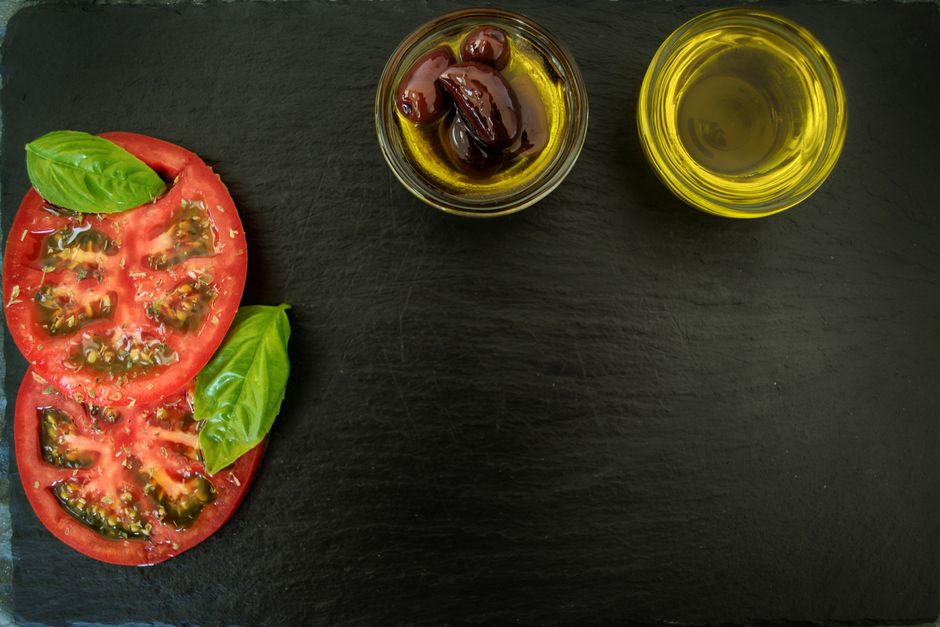
Most people come to this question after a few weeks on keto, when the initial excitement has worn off and they’re staring at their grocery cart wondering if they’ve been doing this right. You might be wondering whether all fats really are equal on a ketogenic diet, or whether there’s some hierarchy you’ve been missing. There is. Not all fats perform the same way for satiety, ketone production, inflammation, or just making food taste good enough to actually stick with this long-term.
Let me be direct: the quality of your fat sources matters more than most keto content gives it credit for.
The Fats That Should Anchor Your Diet
Olive oil is the one I recommend most consistently, and I’d push back against anyone who says it’s “not keto enough” because it has a Mediterranean-diet association. A 2022 meta-analysis in Nutrients looking at over 30 trials confirmed what clinical practice already showed: oleic acid (the primary fat in olive oil) supports HDL, reduces inflammatory markers, and doesn’t mess with insulin. Get a good extra-virgin variety for dressing and low-heat cooking. Cobram Estate and California Olive Ranch are both solid options you’ll find at most grocery stores for around $12-15 a bottle. For high-heat cooking, avocado oil is the better call since it has a smoke point above 500°F.
Butter and ghee belong on this list too, full stop. The research on saturated fat and cardiovascular risk has gotten genuinely more complicated over the past decade. Dairy fat from ruminants contains conjugated linoleic acid (CLA), which has shown some modest anti-inflammatory and body composition effects in controlled trials. Ghee is just clarified butter with the milk solids removed, making it better for people who react to dairy proteins. I’ve used Bulletproof Grass-Fed Ghee and Fourth and Heart both, and honestly either is fine. The “grass-fed” label matters a bit here, as grass-fed dairy has a meaningfully better CLA profile than grain-fed.
Fatty cuts of meat, salmon, sardines, and eggs are doing double work as protein plus fat sources. Don’t overthink this. A few eggs a day, salmon twice a week, and using fattier cuts of beef or pork covers a lot of ground.
The MCT Oil Question
Here’s what I tell people who ask about MCT oil: it’s genuinely useful, but not magic, and the way it gets sold online is dramatically oversold.
MCTs (medium-chain triglycerides) bypass normal fat digestion and get converted to ketones faster than long-chain fats. That’s real. If you’re new to keto and struggling to get into ketosis, adding a tablespoon of MCT oil to coffee or a smoothie can give you a measurable boost. If you’re already fat-adapted and in ketosis, the practical difference is much smaller.
The thing nobody mentions: too much too soon causes GI distress that will make you miserable. Start with a teaspoon, not a tablespoon. MCT oil is also calorie-dense (about 100 calories per tablespoon) and adds up fast if you’re not paying attention. Sports Research MCT Oil is a reliable option and runs around $25-30 for a decent-sized bottle. C8 (caprylic acid) MCT oils like those from Bulletproof convert to ketones most efficiently if you want to spend more for that specificity.
MCT oil powder exists too, and it’s more convenient for travel, though it usually contains some additives to keep it shelf-stable. Not a dealbreaker for most people.
The Fats to Actually Be Careful With
Seed oils are where the internet goes completely unhinged in both directions. Here’s my actual read: there’s legitimate reason to be cautious about very high intake of omega-6 polyunsaturated fats (PUFAs) from refined seed oils like soybean, corn, and cottonseed oil, because they oxidize easily when heated and displace omega-3s in ways that may drive inflammation over time. The research here isn’t airtight, but I don’t think the caution is unfounded.
That said, the viral content screaming that a single meal cooked in canola oil is going to kill you is not science. It’s content.
For home cooking on keto, you simply don’t need seed oils. Butter, ghee, avocado oil, and coconut oil cover every cooking scenario you’re likely to encounter. When you’re eating out, you have less control, and that’s okay. Don’t let perfect be the enemy of sustainable.
Coconut oil deserves a separate note. It’s high in saturated fat (mostly lauric acid) and fine for keto. It does raise LDL, which may or may not be concerning depending on your full lipid picture and particle size. I’d treat it as one useful option rather than the cornerstone of the diet, which some earlier keto content made it out to be.
Practical Fat Intake: What This Looks Like Day to Day
| Fat Source | Primary Use | Smoke Point | Key Benefit | Notes |
|---|---|---|---|---|
| Extra-virgin olive oil | Dressing, low-heat cooking | ~375°F | Supports HDL, reduces inflammation | $12-15/bottle |
| Avocado oil | High-heat cooking | 500°F+ | High smoke point stability | Preferred for cooking |
| Butter/Ghee | General cooking | 350°F (butter), 450°F (ghee) | Contains CLA, easier digestion (ghee) | Grass-fed has better CLA profile |
| MCT oil | Coffee, smoothies, ketone boost | N/A | Fast ketone conversion | ~100 cal/tbsp; start with 1 tsp |
| Coconut oil | General cooking | 350°F | Convenient, raises LDL | Use as option, not cornerstone |
| Fatty fish (salmon, sardines) | Main protein + fat | N/A | Dual protein-fat source | 2x/week recommended |
| Eggs | Protein + fat | N/A | Complete nutrient profile | Few per day |
| Fatty meat cuts | Main protein + fat | N/A | Dual protein-fat source | Cover substantial dietary needs |
Sources
- Sports Research MCT Oil
- kitchen scale
- Daniela Elena Tentis
- in Nutrients looking at over 30 trials confirmed what clinical practice alread
- on saturated fat and cardiovascular risk has gotten genuinely more complicated o
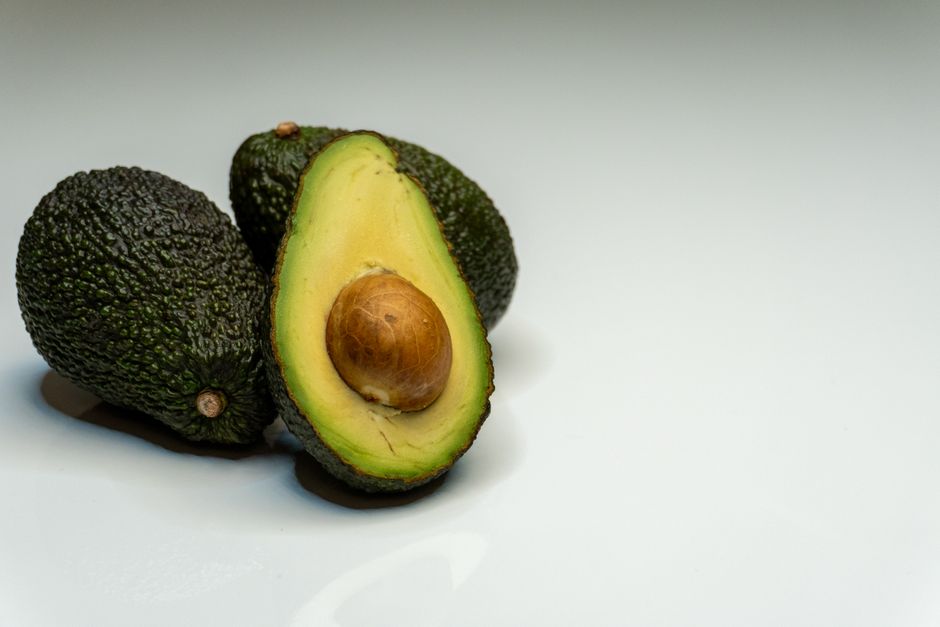
Getting 60-75% of your calories from fat on keto sounds like a lot until you see what it actually means in food. Two eggs cooked in a tablespoon of butter, a handful of macadamia nuts, half an avocado at lunch, salmon for dinner, and a small amount of olive oil on a salad gets you there without forcing anything. A kitchen scale makes this much easier to track in the early weeks.
A reader emailed me a few months ago saying she was eating plenty of fat but still felt unsatisfied and couldn’t stay in ketosis. Turned out she was relying heavily on cheese as her primary fat source. Not a terrible food, but it’s also a significant protein source, and the fat profile is less favorable than what you’d get from olive oil, avocado, or fatty fish. Variety matters for both nutritional balance and satiety.
One underrated fat source: macadamia nuts. They’re the closest nut to olive oil in fatty acid composition, high in monounsaturated fats, low in omega-6s, and genuinely satisfying. They’re expensive (usually $15-20 a pound), but a small portion goes a long way.
The honest answer to “what are the best fats on keto” is that you want a mix: mostly monounsaturated fats from olive oil and avocado, a reasonable amount of saturated fat from quality animal sources and coconut products, omega-3s from fatty fish or a supplement, and not much from refined seed oils if you can help it. That’s not complicated. The complicated part is actually eating that way consistently in a world where most processed food is made with cheap seed oils and most restaurants cook with whatever’s cheapest. Focus on what you control at home, and don’t stress the rest too hard.
(This site may earn a commission on purchases made through links in this article.)
Photo: Daniela Elena Tentis via Pexels
This article is for general informational purposes only and does not constitute medical or dietary advice. Always consult a licensed healthcare provider or registered dietitian before making significant changes to your diet, especially if you have a medical condition.