 Ryan Park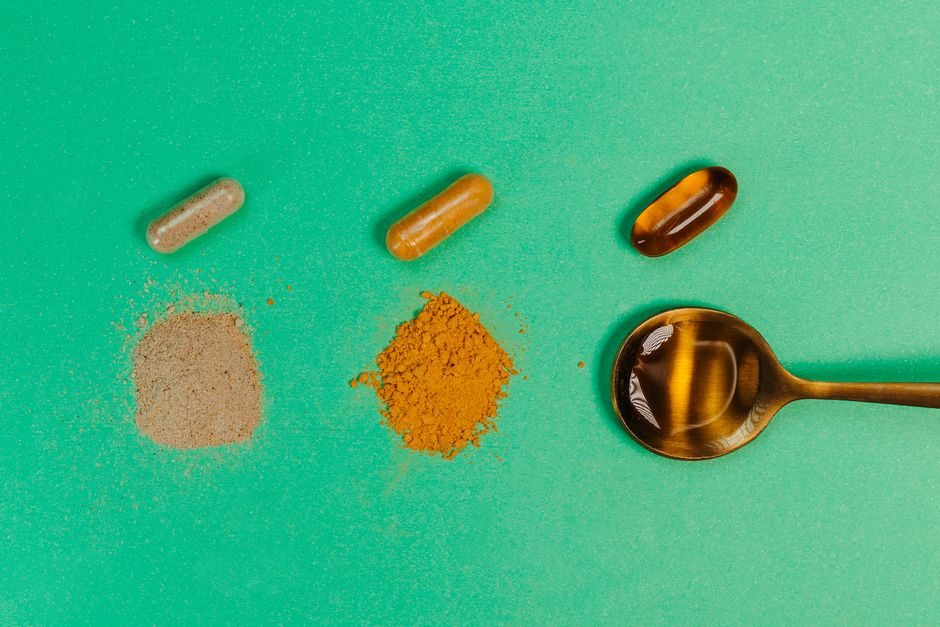
If you’ve made it about a week into keto and you feel like you got hit by a truck, you’re not imagining it. The fatigue, the headaches, the muscle cramps that wake you at 3am, that’s not your body rejecting low-carb eating. That’s electrolyte depletion, and it’s one of the most predictable and fixable things in all of nutrition.
Here’s what’s happening: when you drop carbs, your insulin levels fall, your kidneys shift into a different mode, and you start flushing sodium, potassium, and magnesium at a much faster rate than you did before. Most people lose several pounds of water in the first week, and all those minerals go with it. The “keto flu” isn’t some mysterious metabolic punishment. It’s mostly just salt deficiency with a side of magnesium.
I’ve worked with a lot of beginners who come in convinced they need to push through the misery as some kind of rite of passage. They don’t. And the fix is usually cheap and fast.
What You Actually Need (and How Much)
Before talking brands, it helps to know what you’re replacing. On keto, most people need somewhere around 3,000-5,000 mg of sodium per day, 1,000-3,500 mg of potassium, and 300-500 mg of magnesium. Those are wide ranges because individual needs vary a lot based on activity level, sweat rate, and how strict your carb restriction is.
Sodium is the biggest lever. A lot of keto beginners are so worried about salt from years of conventional dietary advice that they under-salt everything and then wonder why they feel terrible. Salt your food aggressively. Add it to your water. This one change alone resolves the keto flu for a lot of people.
Potassium is trickier to supplement because high-dose potassium pills are actually regulated, you won’t find anything above about 99 mg per tablet in the U.S. without a prescription. This is why food sources matter: avocados, leafy greens, and salmon all contribute meaningfully. But if you’re not eating those regularly yet while you figure out keto meals, a supplement helps bridge the gap.
Magnesium deficiency tends to show up a bit later, usually as leg cramps, poor sleep, or that low-grade anxious feeling. It’s also one of the most common deficiencies in the general population before keto even starts.
The Supplements I Actually Recommend
| Supplement | Sodium (mg) | Potassium (mg) | Magnesium (mg) | Cost Per Serving | Notes |
|---|---|---|---|---|---|
| LMNT | 1,000 | 200 | 60 | $1.50 | Designed for keto; no sugar or artificial sweeteners |
| Nuun Sport (1 tablet) | 300 | - | - | $0.70-$0.80 | Use 2 tablets during early keto phase |
| Table salt in water (¼ tsp) | 500-600 | - | - | <$0.01 | Most budget-friendly option |
| Potassium chloride (¼ tsp NoSalt/Nu-Salt) | - | 650 | - | <$0.01 | Use in food or savory drinks |
| Magnesium glycinate | - | - | 200-400 | Varies | Take before bed; preferred form for absorption |
LMNT (Elemental Labs) is the one I point most beginners toward first. Each packet has 1,000 mg sodium, 200 mg potassium, and 60 mg magnesium, with no sugar and no artificial sweeteners. It’s expensive, roughly $45 for a box of 30 packets, which works out to $1.50 per serving, but the electrolyte profile is actually designed for people on low-carb diets, not for endurance athletes carb-loading before a marathon. The flavors are good. Citrus salt and raspberry salt are the ones clients come back to most. (You can find LMNT on Amazon – the site may earn a commission on purchases.)
For people who want something more budget-friendly, Nuun Sport tablets run about $7-8 per tube of 10, and while the sodium content is lower (about 300 mg per tablet), they’re easy to carry and taste fine. I’d recommend using two tablets at a time if you’re in the early keto adjustment phase.
Here’s a take some people push back on: I think straight table salt in water is genuinely underrated and I tell people to try it before spending money on anything. A quarter teaspoon of sodium chloride in 16 oz of water with a squeeze of lemon is about 500-600 mg of sodium, costs almost nothing, and works. The fancy supplements are convenient and have a better taste, but if budget is a concern, salted water is not a consolation prize.
For magnesium specifically, I prefer magnesium glycinate over magnesium oxide or citrate. Oxide is poorly absorbed. Citrate works but can cause loose stools if you overshoot the dose. Glycinate is well-tolerated and actually crosses into the tissue effectively. Doctor’s Best makes a solid magnesium glycinate supplement that’s widely available and affordable. Take 200-400 mg before bed.
Potassium chloride, sold as NoSalt or Nu-Salt at most grocery stores, is another option worth knowing about. A quarter teaspoon delivers roughly 650 mg of potassium for pennies. Some people don’t love the taste, but mixed into food or a savory drink, it’s barely noticeable. I use it in my own cooking now regularly.
Things to Watch Out For
A few mistakes I see beginners make repeatedly.
Buying “keto electrolyte” products that are mostly marketing. Scan the label before you buy anything. If the sodium is under 200 mg per serving, the product was not designed for keto’s actual needs, it was designed for general hydration with keto branding slapped on. Plenty of those products exist.
Overdoing potassium supplementation, especially through pills. High potassium intake is genuinely dangerous if your kidneys aren’t functioning well. If you have kidney disease or are on any medications for blood pressure or heart conditions, talk to your doctor before adding potassium supplements. I’m not hedging here to cover myself, this is a real thing.
Ignoring hydration entirely and assuming electrolytes alone will fix everything. You need the water too. Electrolytes work because they help your body hold onto and distribute fluid. Sipping an LMNT packet while chronically dehydrated still leaves you feeling rough.
And if you’re tracking your electrolyte intake (a kitchen scale like the OXO Good Grips food scale makes measuring NoSalt or table salt genuinely easy), apps like Cronometer actually track sodium, potassium, and magnesium from food. Most people are surprised how much they’re getting from meat and vegetables once they log it.
Photo: Jonathan Borba via Pexels
This article is for general informational purposes only and does not constitute medical or dietary advice. Always consult a licensed healthcare provider or registered dietitian before making significant changes to your diet, especially if you have a medical condition.
Sources
Disclosure: As an Amazon Associate, we earn a small commission from qualifying purchases at no extra cost to you. We only recommend products that genuinely support the topics covered in this article.
- Medicare For Dummies (~$22), The definitive consumer guide to Medicare, enrollment windows, Part A/B/C/D, and supplement plans.
- Get What’s Yours for Medicare (~$17), Maximize your Medicare benefits and minimize out-of-pocket costs. Covers Part D drug coverage gaps and Medigap in depth.