 Diana Walsh
Most of my clients come in having already tried keto once. They lasted two weeks, felt awful, and quit. And when I dig into what happened, a surprising number of them say something like: “I was trying to stay under 20 grams of carbs and I just couldn’t do it. It felt insane.”
Here’s what I tell them: 20 grams is not a law. It’s a starting point that got repeated so many times it became scripture.
The actual science on ketosis is more flexible than the keto community tends to admit, and for a lot of people, 50 grams of carbs per day is a perfectly workable number. Not a compromise. Not “lazy keto.” A legitimate, evidence-supported target that gets results and is dramatically easier to sustain.
Let me explain why, and more importantly, how to make it work without accidentally spinning your wheels.
What Actually Happens at 50 Grams
The standard keto advice pegs ketosis at under 20-50 grams of net carbs daily. That range is real. What gets lost in translation is that the upper end of that range (yes, 50 grams) still produces measurable ketone levels in most people.
A 2017 study published in the Journal of Physiology found that nutritional ketosis is achievable across a range of carbohydrate intakes, with significant individual variation based on muscle mass, metabolic health, and activity level. An active 200-pound man will often stay in ketosis at 60 grams of carbs. A sedentary woman with insulin resistance might struggle at 30. That spread is real, and pretending everyone should be at 20 grams ignores it.
I’ve tested this on myself. Back in 2021, I ran a 90-day experiment where I held carbs between 45 and 55 grams, tracked ketones with a Precision Xtra blood meter every morning, and kept everything else equal. My average reading was 0.8 mmol/L. Not as high as when I go sub-20, but solidly in the nutritional ketosis range (0.5 to 3.0 mmol/L by the standard definition). I wasn’t some edge case. I was pretty average metabolically.
The honest caveat: if you have significant insulin resistance, type 2 diabetes, or a specific therapeutic goal (like seizure management), tighter restriction probably still makes sense. Talk to your doctor. But for general fat loss and the metabolic benefits most people are chasing? Fifty grams deserves a fair shot.
The Practical Difference Between 20g and 50g
Thirty extra grams of net carbs sounds small. It isn’t.
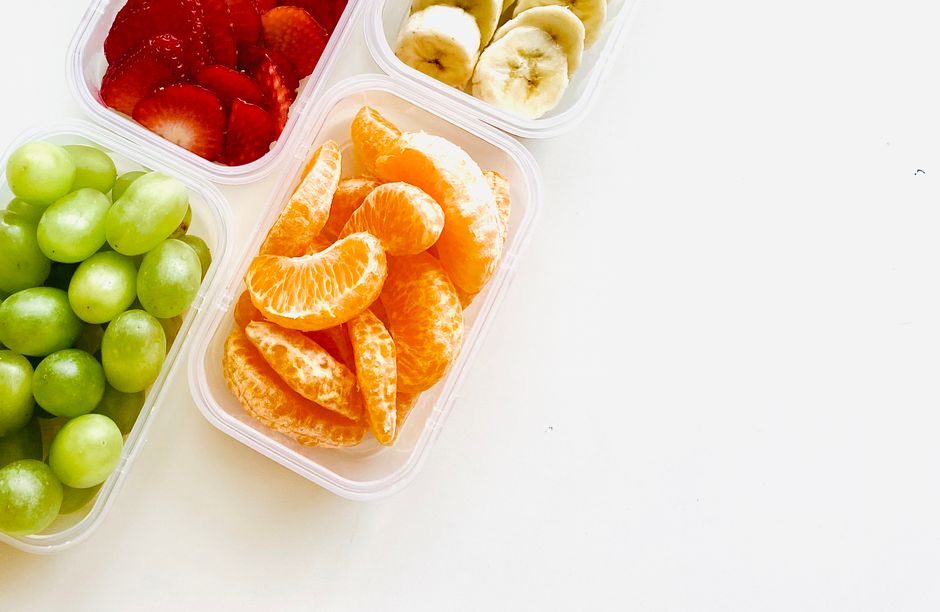
That’s a cup of blueberries (about 17g net carbs), a small apple (about 21g), or an extra serving of roasted butternut squash. It’s the difference between a salad with a few cherry tomatoes and a salad where you’re counting each tomato like it owes you money. It’s the difference between a sustainable eating pattern and one that requires constant vigilance that most people can only maintain for about three weeks before they crack and eat half a sleeve of crackers.
Here’s a worked example from my practice:
Client: 42-year-old woman, office job, 35 lbs to lose, had tried strict keto twice and quit both times within a month. Action: Set carb target at 45-50g net carbs daily instead of 20g. Added back small servings of berries, one serving of legumes on weekends, and more flexibility with vegetables. Result: Stayed consistent for 6 months. Lost 22 lbs. Reported it felt “like a normal diet” rather than a punishment.
That’s not a dramatic transformation story. It’s a realistic one, and realistic is what I’m after.
How to Structure 50 Grams Without Wasting Them
THE KETOGENIC DIET: Science Behind Low Carb Keto for Fat Loss, Muscle & Health · Jeff Nippard on YouTube
| Carb Source | Serving Size | Net Carbs (g) |
|---|---|---|
| Cup of blueberries | 1 cup | ~17 |
| Small apple | 1 medium | ~21 |
| Roasted butternut squash | 1 serving | varies |
| Raspberries | 0.5 cup | ~5-7 |
| Blackberries | 0.5 cup | ~5-7 |
| Almonds | 1 oz | ~3-4 |
| Small sweet potato | 1 small | ~17-20 |
| Lentils | 0.5 cup | ~9-10 |
| Corn | 1 cob | ~17 |
This is where most people go wrong when they have a higher carb budget: they spend it badly.
Fifty grams of net carbs from processed foods, a bit of oat milk here, a “keto” granola bar there (check those labels, many are 15-20g per serving), and a few tablespoons of barbecue sauce will get you to your limit fast, spike your blood sugar, and likely knock you out of ketosis without you realizing it. You get the drawbacks of both worlds.
The smarter approach is to load your carbs from high-fiber, low-glycemic sources. Think:
- Non-starchy vegetables with reckless abandon (broccoli, zucchini, spinach, cauliflower, asparagus): most people can eat 4-6 cups of these and still come in under 15g net carbs
- Berries (raspberries and blackberries are the lowest-sugar options at about 5-7g net carbs per half cup)
- Nuts and seeds as snacks (almonds, macadamias, chia seeds)
- One modest serving of a higher-carb vegetable: a small sweet potato, a half cup of lentils, a cob of corn
What you’re trying to avoid: bread, pasta, rice, and fruit juice, even in “small” amounts. Not because they’re evil, but because they’ll eat your budget in a single sitting and leave you hungry two hours later.
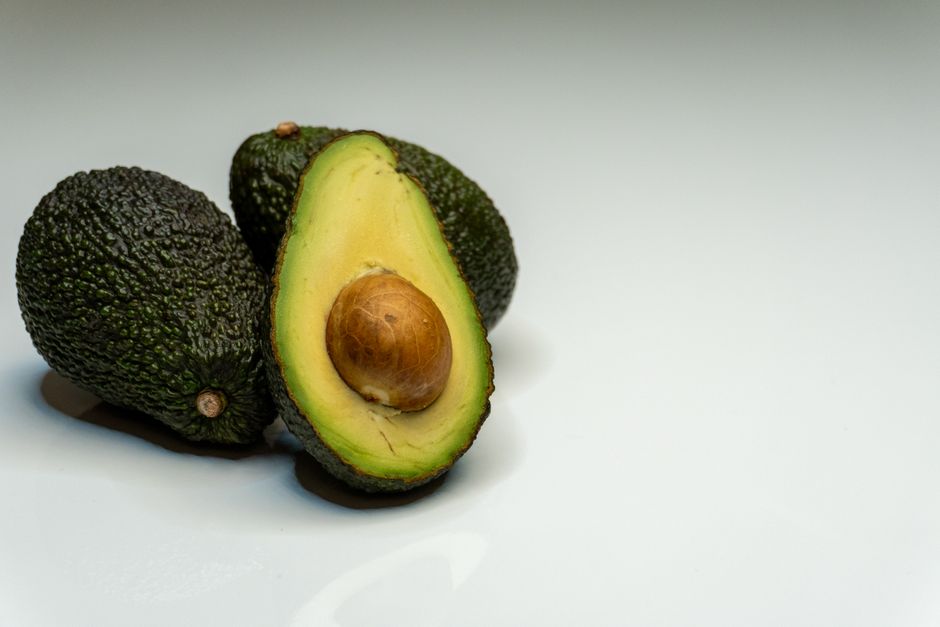
A practical day might look like: eggs and sautéed spinach at breakfast (3g), a large salad with chicken, avocado, and olive oil at lunch (8g), an ounce of almonds and a handful of raspberries as a snack (10g), and salmon with roasted broccoli and a small sweet potato at dinner (22g). That’s 43g net carbs, you’re fed, you’re not miserable, and you’re probably still in ketosis.
A kitchen scale makes this way less annoying in the long run. I’ve been using an Escali Primo for years, it’s about $25 on Amazon and far more reliable than eyeballing portion sizes. (Disclosure: links to products on this site may earn a commission.)
The Electrolyte Issue Doesn’t Go Away at 50g
A lot of people assume that relaxing the carb limit means they don’t need to worry as much about electrolytes. Wrong. You’re still eating low enough carbs to keep insulin suppressed enough that your kidneys are excreting sodium faster than usual. The keto flu symptoms (headache, fatigue, muscle cramps) can absolutely still hit you at 50g if you’re not salting your food aggressively and supplementing magnesium.
I recommend LMNT packets to a lot of my clients. They’re salty (1,000mg sodium per serving, which sounds alarming but is appropriate here), they have no sugar, and the flavors are actually decent. At about $45 for a box of 30, they’re not cheap, but cheaper than the number of times I’ve seen someone quit keto because they thought they “just felt terrible” when they were actually just sodium-depleted.
Magnesium glycinate at 300-400mg before bed is the other one. This is consistently underrated. Sleep quality often improves noticeably within a week of adding it.
Sources
- Volek JS, Phinney SD (2012): The Art and Science of Low Carbohydrate Living (Beyond Obesity LLC) – foundational reference on individual variation in ketosis thresholds
- Paoli A et al. (2013): “Beyond weight loss: a review of the therapeutic uses of very-low-carbohydrate (ketogenic) diets” – European Journal of Clinical Nutrition, covers metabolic effects across carb ranges
- Evans M et al. (2017): “A Ketogenic Diet Extends Longevity and Healthspan in Adult Mice” and related ketone physiology research – Journal of Physiology, on ketone production variability
- Westman EC et al. (2018): Research on individualized carbohydrate tolerance in low-carb dietary interventions – Journal of Nutrition and Metabolism
- Precision Nutrition: “Ketogenic Diet” reference guide – practical overview of carb thresholds, current as of 2026
Photo: Loren Castillo via Pexels
This article is for general informational purposes only and does not constitute medical or dietary advice. Always consult a licensed healthcare provider or registered dietitian before making significant changes to your diet, especially if you have a medical condition.