 Dr. Sarah Mitchell
Most people starting keto land on 20 grams of net carbs per day because someone told them to. A blog post, a Reddit thread, a friend who lost 40 pounds. And it works, at least at first, so nobody asks where the number actually came from. What surprises me, even after years of working with clients on this, is how few people understand why 20 grams became the default, what the research actually says about it, and whether that specific number is doing them any favors or just creating unnecessary misery.
Let me give you the real story.
Where 20 Grams Actually Comes From
The 20-gram threshold isn’t arbitrary, but it’s also not written into your biology. It traces back largely to the Atkins Induction phase, formalized in the 1970s and refined through later editions of the Atkins diet books. The logic was straightforward: set carbs low enough that virtually everyone would deplete liver glycogen stores and shift into ketosis, regardless of individual variation in metabolism, activity level, or body composition.
Twenty grams is essentially a conservative floor, not a precise metabolic cutoff.
What struck me when I went back through the clinical literature was how little consensus there actually is. The threshold for inducing nutritional ketosis varies significantly between individuals. Some people achieve measurable ketone levels (above 0.5 mmol/L, which is the standard clinical definition) at 50 grams of net carbs. Others struggle to stay in ketosis at 30 grams. Research from Virta Health, which has run some of the largest real-world ketogenic diet studies, shows their patients averaging closer to 30 grams while maintaining ketosis, not 20.
So why does 20 persist? Because it works as a starting point for most people. It’s a margin of safety. If your actual threshold is 35 grams, staying at 20 keeps you comfortably below it. The problem emerges when people treat it as sacred, torturing themselves unnecessarily or assuming keto failed them when the real issue was rigid adherence to a number that was never personalized to them.
What Actually Happens to Your Body Around 20 Grams
| Metric | Amount | Notes |
|---|---|---|
| Liver glycogen stores | 80-100 grams | Depletes in 12-48 hours on very low-carb diet |
| Muscle glycogen stores | 300-500 grams | Varies by body size; not easily converted to blood glucose |
| Ketosis onset (clinical definition) | 0.5+ mmol/L | Standard threshold for measurable ketone levels |
| Keto adaptation period | 2-4 weeks | Time for meaningful cognitive adaptation to ketones |
| Net carbs in 1 cup cooked broccoli | ~4 grams | Common low-carb vegetable reference |
| Net carbs in 2 cups raw spinach | <1 gram | Leafy green vegetable reference |
| Virta Health patient average | ~30 grams | Real-world ketogenic diet study data (maintains ketosis) |
Your liver stores roughly 80 to 100 grams of glycogen. Muscles hold more, somewhere around 300 to 500 grams depending on your size, but muscle glycogen isn’t easily converted back to blood glucose the way liver glycogen is. When you eat very few carbs, your liver glycogen depletes over 12 to 48 hours, blood glucose drops, insulin falls, and your liver starts converting fatty acids into ketone bodies: beta-hydroxybutyrate, acetoacetate, and acetone.
Your brain, which normally runs almost exclusively on glucose, adapts to use beta-hydroxybutyrate as fuel. This adaptation takes time.
Typically two to four weeks for meaningful cognitive adaptation, which is why the “keto flu” exists during the transition. At 20 grams of net carbs, you’re eating so few carbohydrates that this process happens reliably and quickly for most people. Go higher and the transition gets slower, or may not happen at all if you’re also eating significant protein (excess protein can raise blood glucose through gluconeogenesis, though this is often overstated as a concern).
One thing I want to be clear about: net carbs, not total carbs, is what you’re counting here. Net carbs are total carbohydrates minus fiber and, depending on who you ask, minus certain sugar alcohols like erythritol. A 20-gram net carb target from whole vegetables looks very different from 20 grams coming from processed “keto” bars. Your gut microbiome, blood sugar response, and satiety will differ significantly between the two. A kitchen scale (like this one on Amazon) makes hitting these numbers much more accurate than eyeballing.
The Case For Staying at 20 Grams (At Least Initially)
Lasagna without Noodles?! Meal Prep Dinner Idea, Low Carb, Keto Friendly · Low Carb Love on YouTube
I’ll be honest: I’ve recommended the 20-gram threshold to most of my new keto clients, even knowing the individual variation exists. Here’s why it makes sense as a starting point.
The keto adaptation process is genuinely uncomfortable for many people. The brain fog, fatigue, and irritability of early keto aren’t just inconvenient, they can cause people to abandon the approach before they’ve given it a real trial. Starting at 20 grams maximizes the speed of ketosis onset, which typically means the adaptation symptoms resolve faster. You get to the functional side of keto more quickly.
There’s also a behavioral argument. When you’re learning a new dietary pattern, simplicity reduces decision fatigue. Twenty grams is a hard constraint that forces you to learn what’s actually in your food. I’ve had clients who thought they were eating keto but were regularly hitting 40 or 50 grams because they didn’t realize how many carbs were hiding in salad dressings, certain nuts, or sauces. The strict 20-gram rule exposes those gaps fast.
The research on metabolic benefits, including improvements in blood glucose, triglycerides, and HDL cholesterol, is most robust for ketogenic diets defined as below 20 to 50 grams of carbs per day. Staying at the conservative end of that range during the initial phase gives you the best chance of actually getting into ketosis before deciding whether the diet works for you.
When 20 Grams Becomes a Problem
Here’s where I see people go wrong, and it’s surprisingly common.
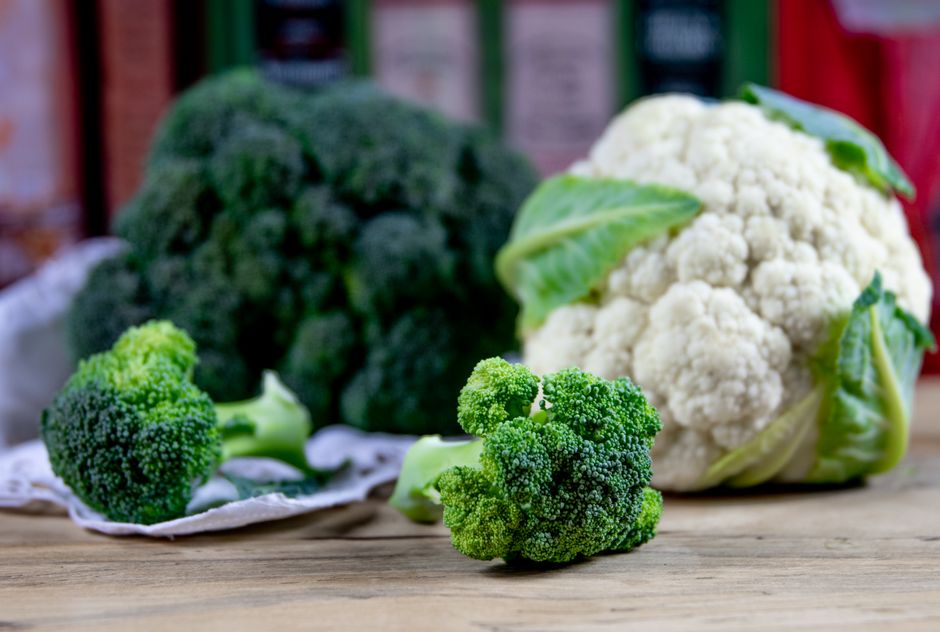
After weeks or months on keto, many people stay rigidly at 20 grams out of fear that any increase will “kick them out of ketosis” and undo everything. This creates unnecessary restriction and often leads to micronutrient gaps. Vegetables are your primary source of carbohydrates on keto, and limiting yourself to 20 grams long-term makes it genuinely hard to eat enough variety. A cup of cooked broccoli has about 4 grams of net carbs. Two cups of spinach has under 1 gram. But add a small sweet potato and you’ve blown your daily budget.
The fear around ketosis disruption is also somewhat overblown. Research shows that a single higher-carb meal will briefly suppress ketone production, but a metabolically adapted person returns to ketosis within 24 hours or less, much faster than the initial adaptation period. This isn’t a license to binge on pasta, but it does suggest that a one-time overage isn’t the catastrophe many keto communities treat it as.
I’ve also worked with clients, particularly women during certain hormonal phases, who found that the strict 20-gram threshold was causing stress-related cortisol responses that actually impaired their goals. The research here is mixed and individual responses vary enormously, but it’s worth paying attention to how you actually feel, not just what the numbers say you should feel.
Electrolyte management matters at any carb level, but especially below 25 grams. Low carb diets cause significant sodium, potassium, and magnesium losses through the kidneys. A quality electrolyte supplement (like LMNT or similar on Amazon) addresses this and often resolves headaches and fatigue that people incorrectly attribute to “not being in ketosis yet.”
How to Find Your Personal Carb Threshold: A Practical Approach
If you’ve been on keto for at least four to six weeks and are metabolically adapted, here’s how I walk clients through finding their actual threshold:
Step 1: Establish a baseline. Spend one full week tracking carefully at 20 grams net carbs. Use a food scale and a tracking app. Measure your ketone levels using a blood ketone meter (more accurate than urine strips after the first few weeks) and record morning fasting readings each day. A reading above 0.5 mmol/L confirms nutritional ketosis.
Step 2: Increase in 5-gram increments. Add exactly 5 grams of net carbs per day for the following week, sourcing the increase from whole food vegetables. Re-measure ketones daily. If you stay above 0.5 mmol/L, your threshold is higher than 20 grams.
Step 3: Repeat until you find the edge. Continue adding 5 grams per week until ketone levels drop below 0.5 mmol/L on two or more consecutive days. That week’s intake is at or above your threshold.
Step 4: Set your maintenance target. Your actual daily target should sit 5 to 10 grams below that threshold to give yourself a buffer for tracking error and variation.
Most clients I’ve worked through this process with find their threshold somewhere between 25 and 45 grams. A few are genuine 20-gram people. A handful can stay in ketosis at 50 grams, especially if they’re very active.
| Net Carbs Per Day | Who It’s Best For |
|---|---|
| 20 grams | Beginners, people with insulin resistance, those who want faster initial ketosis |
| 25-35 grams | Metabolically adapted individuals, people with active lifestyles |
| 35-50 grams | Athletes or very active people using keto as a performance tool |
| 50+ grams | Low-carb but not ketogenic; different goals, different outcomes |
What You Can Actually Eat on 20 Grams
Sources
- like this one on Amazon
- like LMNT or similar on Amazon
- available on Amazon
- actually says about it
- from Virta Health
This is where it gets practical. Twenty grams of net carbs sounds brutal until you realize most of your diet doesn’t contribute to that number at all. Meat, fish, eggs, cheese, butter, olive oil, and most full-fat dairy contain zero or near-zero net carbs. Your carb budget is spent almost entirely on vegetables, nuts, and any small condiment or dairy allowances.
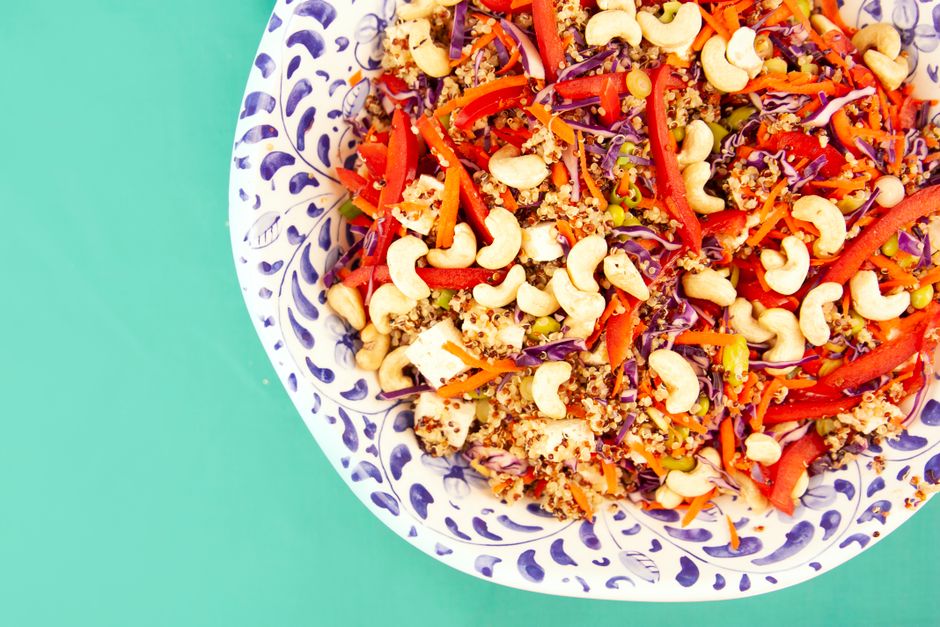
A realistic day might look like: two eggs cooked in butter with a handful of spinach (1 gram), a lunch salad with romaine, cucumber, avocado, and olive oil dressing (about 4 grams), a snack of macadamia nuts (2 grams for a 1-ounce serving), and a dinner of salmon with roasted broccoli and a small side of cauliflower rice (about 8 grams). That’s roughly 15 grams, leaving you a small buffer.
Where people run out of room quickly: onions (higher carb than most think), tomatoes in volume, any fruit except small amounts of berries, and all the “keto-friendly” packaged snacks that still carry 8 to 10 grams per serving. I’m not anti-keto snack bar, but you should know what you’re spending. MCT oil (available on Amazon) is carb-free and can support ketone production, though it’s not magic and GI tolerance varies.
Twenty grams is a useful tool, not a commandment. Start there if you’re new, take it seriously during the adaptation phase, and then actually test whether it’s the right long-term target for your body. The people who do best on keto aren’t necessarily the most rigid. They’re the ones who understand what the diet is trying to accomplish and adjust intelligently based on evidence, including the evidence from their own experience. If you’re considering significant dietary changes, especially if you have diabetes, metabolic conditions, or take medications that affect blood sugar, work with a registered dietitian or physician who’s familiar with low-carb approaches before making major shifts.
This article is for general informational purposes only and does not constitute medical or dietary advice. Always consult a licensed healthcare provider or registered dietitian before making significant changes to your diet, especially if you have a medical condition.